Pemmican: The calorie-dense survival food that powered Arctic explorers and fur traders
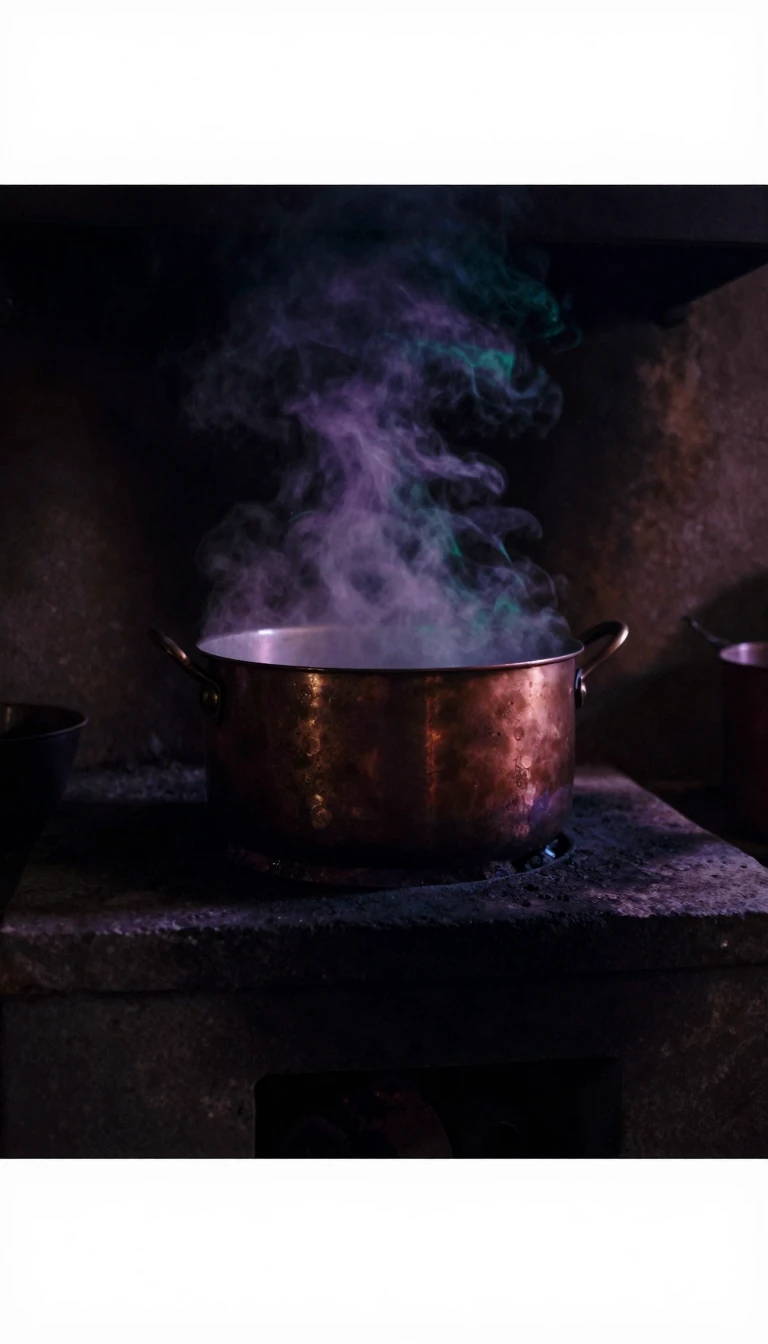
In short: Long before modern energy bars, Indigenous peoples of North America perfected a shelf-stable, high-calorie mixture of dried meat and rendered fat. This portable superfood became essential for fur traders and polar explorers, proving so vital that it sparked its own war and sustained survival missions across the globe.
Pemmican is a traditional mixture of dried, pounded meat and rendered animal fat, or tallow. Historically, Indigenous peoples of North America crafted it from large game like bison, deer, or elk, often incorporating dried berries like saskatoons or cranberries. The process is labor-intensive: fresh meat is dried until brittle, then pulverized into a powder and combined with fat in an approximate 1:1 ratio by weight. This dense, nutrient-rich paste was packed into rawhide bags, where it would harden, creating a shelf-stable ration that could last for years.
The food's utility made it a cornerstone of the North American fur trade. As trade routes expanded, the Métis people became central to its production, transporting pemmican in Red River carts to supply remote trading posts. Its importance was such that in 1814, the governor of the Red River Colony, Miles Macdonell, issued the Pemmican Proclamation to restrict its export, triggering the Pemmican War. For explorers like Robert Peary, who used it on expeditions from 1886 to 1909, pemmican was an absolute necessity for survival in extreme polar conditions.
While pemmican was a miracle of logistics, its nutritional profile has been debated. British polar expeditions once used a 'dog pemmican' consisting of a 2:1 protein-to-fat ratio, which was later found to be inadequate for long-term health. Military evaluations in the 20th century, including a 1945 study and a 1969 U.S. military report, highlighted its limitations as a sole survival food, noting deficiencies in certain vitamins. Despite these critiques, pemmican remains a significant cultural staple, with many Indigenous communities continuing to produce it today for personal, communal, and ceremonial use.
Opens the Intellect+ feed with this card first. Swipe up for the next one.
Sources
- Summary by Intellect · source: Pemmican
To cite this card, link to https://intellectplus.co.uk/app/nature-pemmican.
How we source, check and correct cards: Editorial standards.
General information, not professional advice. Spotted an error? Flag the card or see corrections and complaints.
Intellect Plus is a visual educational discovery platform for exploring fascinating facts and ideas. Brain Food, Not Brain Rot. What is Intellect Plus?
Related
More in Organisms · More in Nature · Latest · A–Z · All topics
