Despite their exotic name, the Balinese cat has no connection to Indonesia at all.
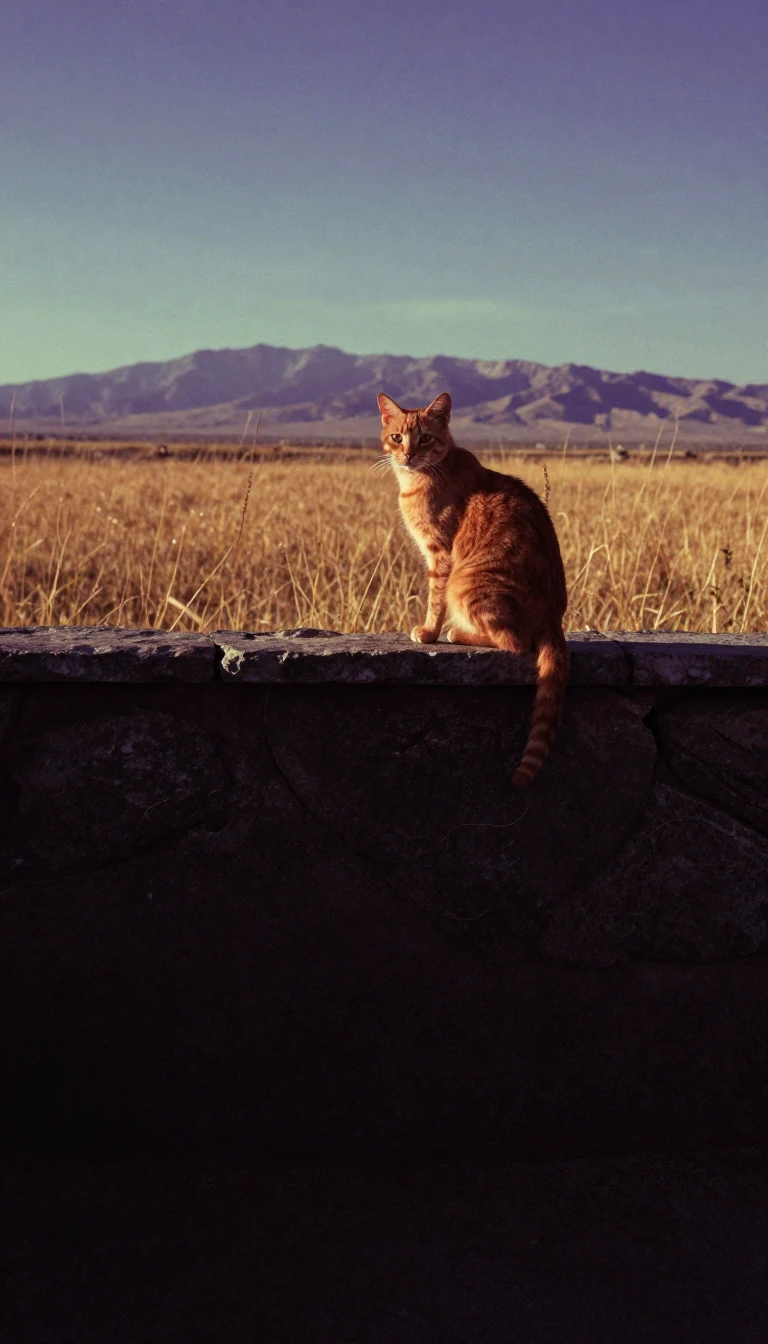
In short: The Balinese cat is essentially a long-haired Siamese, born from a natural genetic mutation. While their name suggests an origin in the Indonesian islands, they were actually developed in the West. These intelligent, vocal, and acrobatic companions are prized for their silky coats and striking sapphire-blue eyes.
The breed emerged from Siamese cats brought to the United States and the United Kingdom during the mid-19th century. Some of these imported cats carried a recessive gene for long hair. Initially, these long-haired kittens were viewed as a flaw in the Siamese bloodline. By 1928, they were registered as show cats, but serious development of the breed did not begin until the mid-1950s. Breeder Helen Smith coined the name Balinese to evoke the grace of dancers from Bali, despite the breed having no geographical link to the region.
Physically, the Balinese mirrors the Siamese, featuring the same heat-sensitive partial albinism that creates darker points on the face, ears, paws, and tail. This occurs because the tyrosinase enzyme, which produces melanin, only functions in cooler skin temperatures. Over time, the breed diverged into two body types: the traditional, sturdier 'apple-head' and the modern, slender, wedge-headed variety. By the mid-1980s, the traditional type had largely vanished from shows, leaving the modern, elongated form as the dominant standard.
The classification of these cats has been a subject of debate among registries. For years, the Cat Fanciers' Association treated the Javanese—a variant derived from crossing Balinese with other breeds—as a separate entity. However, in 2008, breed councils voted to merge them, recognizing Javanese as a color division of the Balinese. This move aimed to simplify registration and support healthier breeding programs. Because they descend from a limited gene pool, Balinese are susceptible to specific health issues, such as Progressive Retinal Atrophy, which can impair vision.
Beyond their appearance, the Balinese are known for their 'dog-like' personalities. They are highly social, inquisitive, and vocal, often demanding significant attention from their owners. Their intelligence is frequently cited as the highest among long-haired breeds, and they maintain the high energy levels and acrobatic tendencies of their Siamese ancestors. Whether traditional or modern, these cats remain a testament to the deliberate cultivation of a naturally occurring genetic trait.
Opens the Intellect+ feed with this card first. Swipe up for the next one.
Sources
- Summary by Intellect · source: Balinese cat
To cite this card, link to https://intellectplus.co.uk/app/nature-balinese-cat.
How we source, check and correct cards: Editorial standards.
General information, not professional advice. Spotted an error? Flag the card or see corrections and complaints.
Intellect Plus is a visual educational discovery platform for exploring fascinating facts and ideas. Brain Food, Not Brain Rot. What is Intellect Plus?
Related
More in Animal breeds and hybrids · More in Nature · Latest · A–Z · All topics
