The daddy long-legs spider is not the world's most venomous, harmless arachnid.
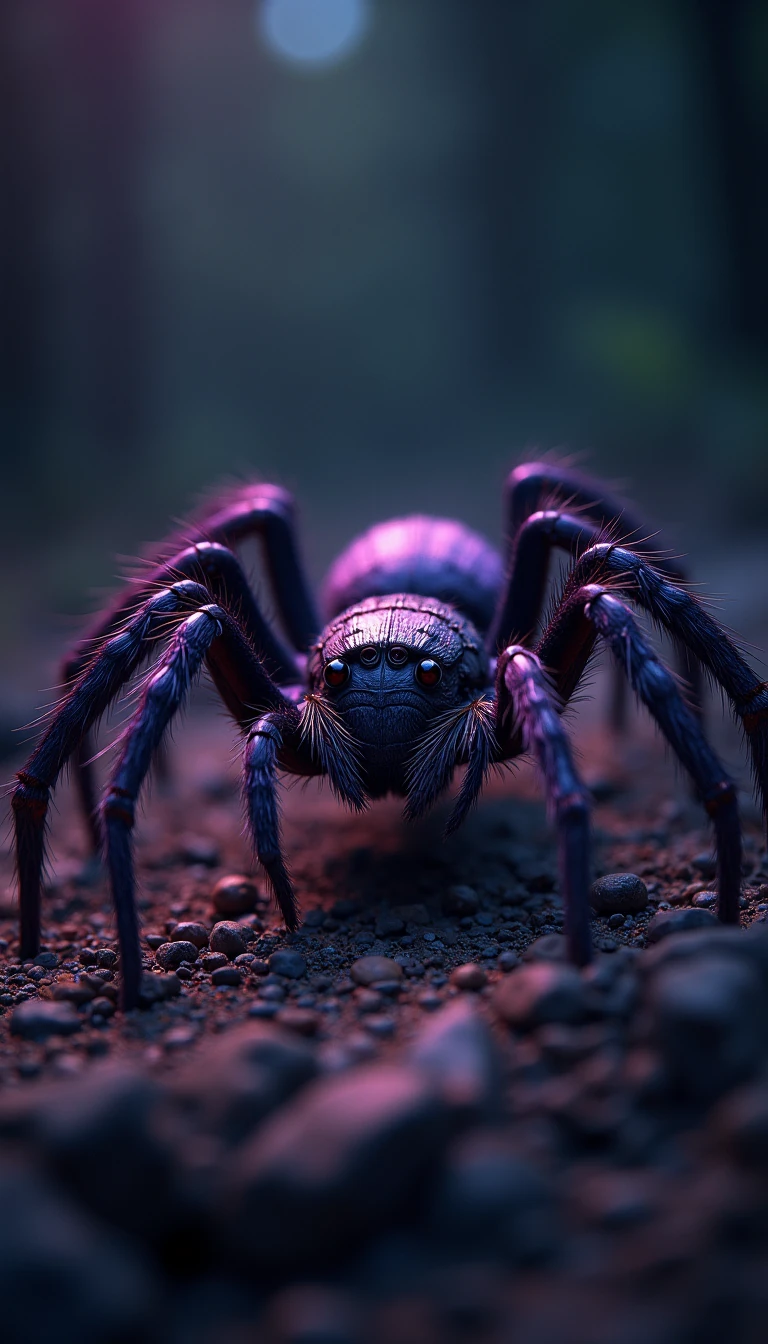
In short: An enduring urban legend claims these spindly spiders possess lethal venom but lack the hardware to bite humans. While they are indeed equipped with hooked fangs, the reality is far less dramatic. These creatures are not only harmless to people, but they are also surprisingly effective hunters of other spiders.
The Pholcidae family, first categorized by Carl Ludwig Koch in 1850, encompasses over 2,000 species found on every continent except Antarctica. Often called cellar spiders or vibrating spiders, they are easily identified by their long, thin legs and a unique eye arrangement, typically consisting of two clusters of three eyes, sometimes with a middle pair. Unlike the harvestmen, which are often confused with them, pholcids possess two distinct body segments.
The myth regarding their supposedly potent venom likely stems from their ability to defeat highly venomous spiders like the redback. Observers historically assumed that if a pholcid could kill a dangerous predator, it must be even more toxic. However, this ignores their hunting strategy: pholcids often use silk to incapacitate prey from a distance, avoiding the need for a direct, dangerous confrontation. Research, including tests conducted on the television show MythBusters in 2004, confirms that their venom is not medically significant to humans.
When threatened, these spiders perform a rapid, gyrating motion within their webs, a behavior that may confuse predators or signal rivals to retreat. While they are passive toward humans, they are aggressive toward other arachnids. They have been observed invading the webs of house spiders and funnel weavers, sometimes mimicking the vibrations of trapped prey to lure the host into a fatal trap. Far from being a hidden threat, these spiders are often beneficial, helping to control populations of other spider species in human environments.
Opens the Intellect+ feed with this card first. Swipe up for the next one.
Sources
- Summary by Intellect · source: Pholcidae
To cite this card, link to https://intellectplus.co.uk/app/nature-pholcidae.
How we source, check and correct cards: Editorial standards.
General information, not professional advice. Spotted an error? Flag the card or see corrections and complaints.
Intellect Plus is a visual educational discovery platform for exploring fascinating facts and ideas. Brain Food, Not Brain Rot. What is Intellect Plus?
Related
More in Organisms · More in Nature · Latest · A–Z · All topics
