Pitcher plants are not just insect traps; some are sophisticated toilets for mountain mammals.
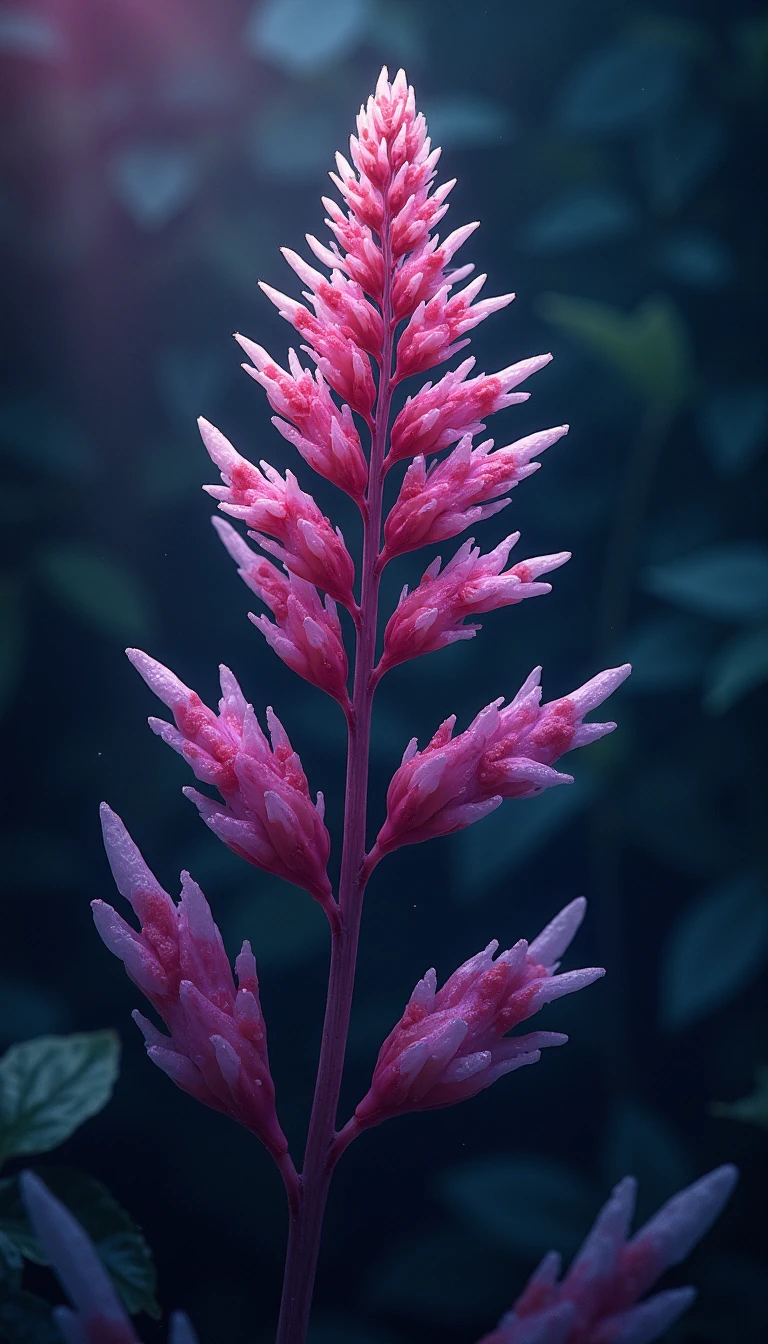
In short: Pitcher plants thrive in nutrient-poor soils by turning the tables on the food chain. While most use nectar to lure insects into a watery grave, some have evolved to trade digestive enzymes for animal waste, forming surprising mutualistic relationships with tree shrews and bats to secure essential nitrogen and phosphorus.
Pitcher plants are defined by their passive pitfall traps—specialized, vessel-shaped leaves that drown prey in a pool of digestive fluid. These plants inhabit harsh, nutrient-deficient environments like bogs and sandy swamps, where they must supplement their mineral intake through carnivory. While the mechanism varies, the basic strategy involves attracting prey with nectar-secreting glands or visual lures, then causing the animal to tumble into a slippery-walled chamber from which escape is prevented by downward-pointing hairs or waxy surfaces.
The diversity of these plants is categorized into three primary families. The New World Sarraceniaceae, found across North America and the Guiana Highlands, feature complex, trumpet-like traps. In contrast, the Old World Nepenthaceae, native to Southeast Asia, Madagascar, and Australia, often grow as climbers or epiphytes. The family Cephalotaceae contains only one species, the Western Australian pitcher plant, which is unique for possessing both traditional leaves and pitfall traps. Digestion typically occurs via enzymes secreted by the plant, though some species, like the cobra plant (Darlingtonia californica), rely on bacterial action instead.
Evolution has pushed some species toward unconventional nutrient sources. In Borneo, Nepenthes rajah and N. lowii have evolved to attract mountain tree shrews (Tupaia montana). These plants provide nectar in a sturdy, non-slippery pitcher, positioning the rim so the shrew defecates directly into the trap while feeding. Similarly, N. hemsleyana provides a roost for Hardwicke’s woolly bat, collecting the animal's guano. This shift toward coprophagy—consuming feces—is a specialized adaptation in areas where insect populations are insufficient to meet the plant's metabolic demands for nitrogen and phosphorus.
Opens the Intellect+ feed with this card first. Swipe up for the next one.
Sources
- Summary by Intellect · source: Pitcher plant | Description, Carnivory, Families, & Facts | Britannica
- Also: Pitcher plant
To cite this card, link to https://intellectplus.co.uk/app/nature-pitcher-plant.
How we source, check and correct cards: Editorial standards.
General information, not professional advice. Spotted an error? Flag the card or see corrections and complaints.
Intellect Plus is a visual educational discovery platform for exploring fascinating facts and ideas. Brain Food, Not Brain Rot. What is Intellect Plus?
Related
More in Botany · More in Nature · Latest · A–Z · All topics
