 Intellect Plus
Botany
74 cards. Each one is a 40-second story with a five-minute read behind it.
 A microscopic fungus is erasing one of nature's most majestic giantsWatch how a tiny fungal infection, spread by a small beetle, nearly wiped out the elm tree across two continents. This documentary follows the scientists racing to prevent the tot…
 The biological blueprint: how seeds function as life bombsA seed is more than a dormant speck; it is a sophisticated vessel for potential life. This video breaks down the internal anatomy of monocot and dicot seeds to show how they prote…
 Decoding the complex architecture of flowering plantsThis video explores the fundamental morphology and classification systems of flowers. It provides a structured look at how botanists categorize these structures to understand plan…
 Why palm trees don't grow like the trees you knowUnlike typical hardwood trees, palms lack a cambium layer to produce new wood. This means they cannot thicken their trunks as they age. Instead, they rely on a unique internal arc…
 Plants may be manipulating our deepest desires to ensure their own survivalMichael Pollan challenges the idea that humans dominate nature. By examining the history of four specific plants, he reveals a reciprocal co-evolution where flora entice us into b…
 Stop memorizing individual plants and start recognizing their familiesMost people try to learn plant identification by memorizing one species at a time. This video introduces a more efficient method: identifying plants by the patterns of their famil…
 Moving beyond plant parts to master the logic of familiesKnowing the anatomy of a plant is only the beginning. This webinar explores how to identify wildflowers by recognizing the shared characteristics of five major plant families.
 Biological libraries are closing as some species reach single-digit populationsFrom flowers that bloom once every century to botanical refugees surviving in only two gardens, these extreme plants represent a vanishing archive of Earth's history. This video e…
 A plant so large it might eat small mammalsIn 2007, botanists discovered a carnivorous plant on a remote Philippine mountain that shattered long-held assumptions about the limits of plant biology. Its pitchers are so massi…
 The forest that sheds its skin to survive the dry seasonExplore a unique South African ecosystem where trees undergo a dramatic seasonal transformation. This video captures the life of the Mopane tree and the diverse wildlife that thri…
 The tree that thrives in the aftermath of fireDiscover how the Canary pine has mastered one of nature's most hostile environments. This video explores a forest built on volcanic ash and scorched earth, showcasing an ecosystem…
 Ancient forests of the Patagonian Andes house 1,000-year-old treesExplore the lush, ancient landscapes of southern Argentina and Chile. This video takes you into the heart of the Valdivian and Araucaria forests to witness rare wildlife and tower…
 The 300-year journey into the microscopic machinery of lifeDr. Adam Rutherford explores the complex inner workings of cells, tracing how our understanding of these fundamental units has evolved over three centuries.
- The parasitic strategy of the tree that kills from aboveDiscover the unique biological lifecycle of the strangler fig. This documentary explores how a specialized seed dispersal method allows this plant to hijack other trees for its ow…
 The botanical secret of survival: nature's masters of photosynthesisPlants are the ultimate survivors, mastering the art of turning light into life despite being unable to run from danger. From trees that resist fire to organisms that might be tho…
- The 500-million-year partnership that turned a barren rock into homeWe often view plants as static wallpaper, yet they are the architects of our existence. For half a billion years, their ability to convert sunlight into sugar has fundamentally re…
- A Malaysian palm tree that brews its own natural beerIn the heart of a Malaysian forest, the bertam palm functions as a living brewery. This video explores how the tree transforms sweet nectar into an alcoholic drink to orchestrate …
- The upside-down giants holding Madagascar's dry forests togetherIn Madagascar’s arid landscapes, baobab trees stand as ancient sentinels of survival. Known in folklore as the tree gods planted upside down, these massive succulents do more than…
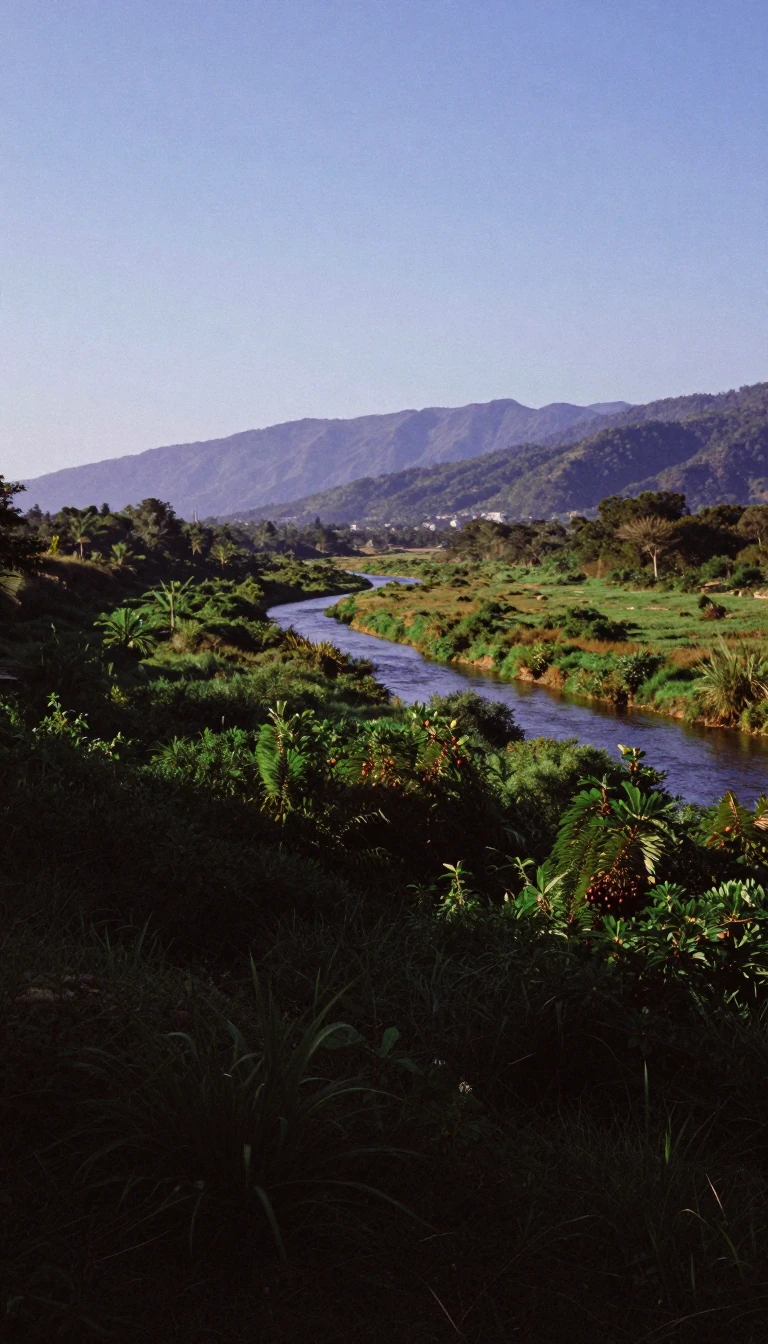 Seed dispersal innovations and ancient hybridization shaped the expansion of oak forestsResearchers analyzing the genomes of the oak family (Fagaceae) found that innovations in seed dispersal triggered rapid diversification across the Northern Hemisphere. The study r…
 The architectural giants of the Asian rainforest hold a 100-million-year secretDipterocarps are the skyscrapers of the jungle, forming over half the canopy space in Asian rainforests. While they are iconic for their massive height and high-quality timber, th…
- The hidden architecture of the ovule: nature's complex nurseryInside every seed lies a masterpiece of biological engineering. The ovule is not just a container; it is a sophisticated reproductive structure that manages nutrient delivery, pro…
 The genetic blueprint for a tree's sex is hidden in its telomeresPopulus deltoides, the eastern cottonwood, is a biological powerhouse capable of releasing 40 million seeds in a single season. However, its reproductive success depends on a prec…
- Genetic data suggests flowering plants originated much earlier than fossil records indicateResearchers analyzing DNA sequences from a wide range of flowering plants found that these species likely began diversifying much earlier than previously thought. By examining a t…
- Orchids originated in ancient Laurasia before exploding in diversity in Central AmericaResearchers who mapped the evolutionary history of orchids discovered that these diverse flowers originated in the Late Cretaceous region of Laurasia. While their ancestors are an…
 The genetic clock that allows cannabis to bloom on its ownMost cannabis plants wait for the sun to set before they begin to flower, but a specific lineage ignores the rhythm of day and night. By trading light-sensitivity for an internal …
 The world's tallest flowering plant faces a shrinking futureThe Australian mountain ash is a botanical titan, reaching heights that rival the world's largest redwoods. Yet, as global temperatures rise, these carbon-dense giants are struggl…
- How a single plant serves as a rainforest oasisIn the extreme environment of the South American rainforest, Bromeliads act as vital hubs for local wildlife. This video explores how these plants provide essential resources for …
- Is what you call a fruit actually a fruit?In the Arctic forests of Norway, Nellie Nilsen explores the complex life cycles of plants to challenge common misconceptions about the botanical definition of fruit.
- How plants survive the planet's most hostile environmentsExplore the ingenious survival strategies of extreme plants, from fire-resistant bark to scents that mimic dung, as Nellie Nilsen journeys through deserts, tundras, and forests.
- Why does the corpse lily mimic the scent of rotting meat?This video explores the Rafflesia, a plant with a blood-red, warty surface that smells like decay. Discover why this unusual organism uses such a pungent scent to survive in the n…
 How giant water lilies fight for dominance in the deepWitness the aggressive survival tactics of giant water lilies. This video explores how these plants use their buds like clubs to clear competition, securing space to grow up to 20…
 How a master of deception uses scent to trick male waspsThe Hammer Orchid offers no nectar and looks nothing like a typical flower. Instead, it relies on a sophisticated biological heist, mimicking the appearance and pheromones of a fe…
 The hidden internal life of trees revealed through specialist technologyExperience a world invisible to the human eye as Sir David Attenborough explores the interior of trees. This segment uses specialized cameras and audio to reveal the complex behav…
 How filmmakers capture the secret, hidden world of plantsEver wondered how nature documentaries film such impossible details? This behind-the-scenes look explores the pioneering technology used to capture the remarkable behaviors and su…
 The ingenious survival strategies hidden within the world of seedsExplore the remarkable diversity of plant life, from giant specimens to tiny, floating seeds. Sir David Attenability uses pioneering camera techniques to reveal the secret, interc…
- The silent reclamation of our cities by the natural worldSir David Attenborough explores the fascinating ways plants reclaim human environments. This series uses specialist cameras to reveal the hidden behaviors and survival strategies …
- Beyond Herbivory: The Deadly World of Carnivorous PlantsExplore the incredible mechanisms of plants that hunt, from pitfall traps to fungi that transform creatures into zombies.
 How drone technology reveals the hidden, interconnected world of plantsDiscover how specialist cameras and drone technology allow us to see beyond the power of the human eye. This behind-the-scenes look shows how the BBC Earth series The Green Planet…
 Why the Venus Flytrap is far from a simple herbivoreThis video explores the extraordinary world of carnivorous plants, revealing how certain species use deadly mechanisms like snap traps and pitfalls to hunt, proving that the plant…
- The hidden, parasitic life of the cactus mistletoeWitness the secret world of plants through the eyes of Sir David Attenboorg. This footage uses specialist cameras to reveal how parasitic plants penetrate cacti to survive.
- The botanical bridge between the living and the deadExplore how a single flower serves as a spiritual compass in Mexican culture. This video explores the profound connection between nature and human tradition, using high-definition…
 The underwater predator that hunts with lightning speedBeneath the water's surface, the bladderwort waits in silence. This video explores the remarkable world of carnivorous plants, revealing how they use specialized traps to capture …
- Beyond herbivores: the lethal world of carnivorous plantsExplore the incredible predatory mechanisms of the plant kingdom. This video examines how certain species use sweet nectar, pitfall traps, and even zombie-like fungi to hunt and c…
- Transform your pond into a thriving ecosystem with the right aquatic plant strategy.Aquatic plants do more than decorate; they are essential for a healthy pond habitat. Whether you are managing deep-water lilies or oxygenating submerged species, success depends o…
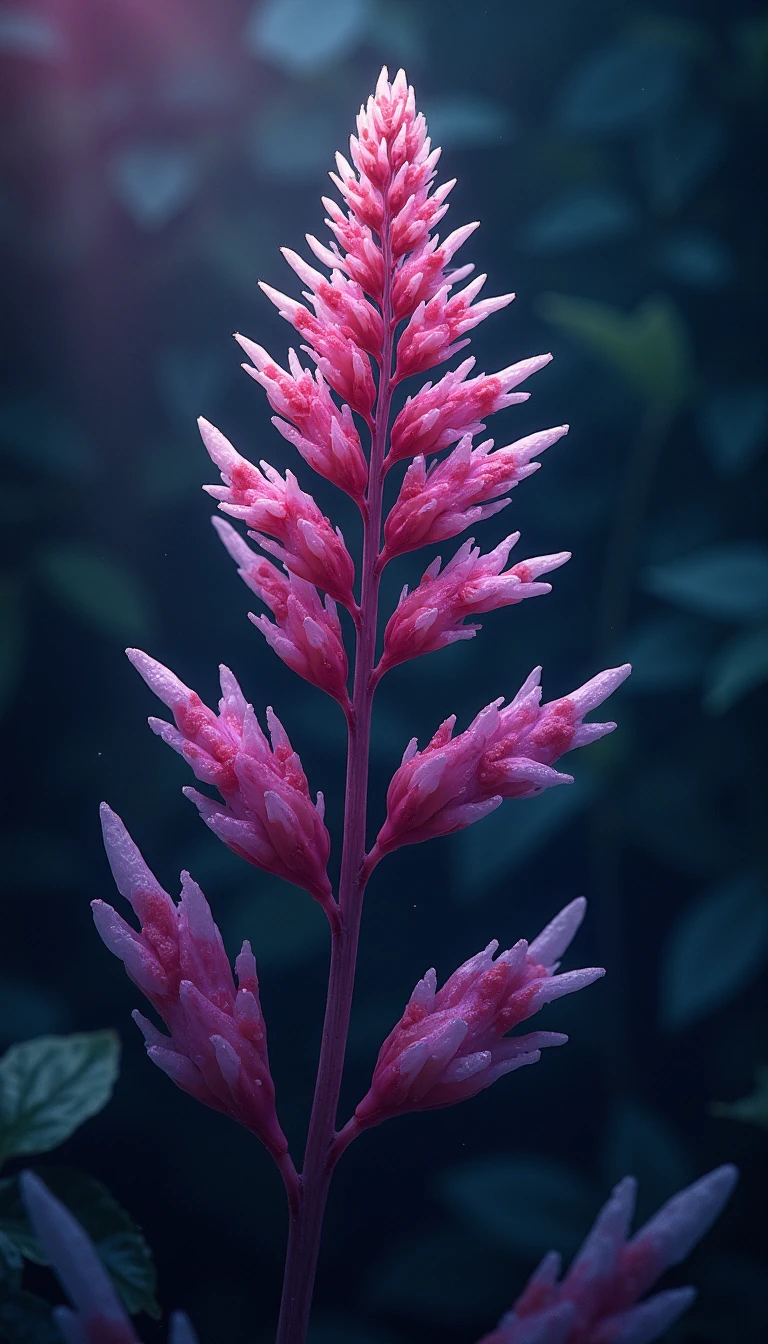 Pitcher plants are not just insect traps; some are sophisticated toilets for mountain mammals.Pitcher plants thrive in nutrient-poor soils by turning the tables on the food chain. While most use nectar to lure insects into a watery grave, some have evolved to trade digesti…
- Plants are engaged in a constant, invisible chemical war for their very survivalPlants are not passive victims; they are active combatants in a sophisticated biological arms race. Pathogens deploy enzymes, toxins, and hijacked hormones to breach cellular defe…
- Is the common weed Shepherd’s purse actually a secret, opportunistic meat-eater?Botanists have long debated what defines a carnivorous plant, but the common weed Capsella bursa-pastoris suggests the line is blurrier than we thought. Recent experiments show th…
 A new community-based classification organizes thousands of lycophytes and fernsResearchers have developed a comprehensive new classification for lycophytes and ferns using a community-based approach. By using monophyly as a primary criterion, the framework o…
 Rapid data expansion reveals complex shifts in global plant growing seasonsResearchers reviewing recent progress in plant phenology found that while climate change has historically advanced the start of leaf unfolding and delayed leaf coloring, these tre…
 The biological anomalies defining the world's most unique floraExplore a deep dive into one of the planet's most unusual botanical wonders. This segment from BBC Earth highlights how extreme environments shape extraordinary life forms.
- Massive genomic study reveals the explosive early history of flowering plantsResearchers analyzing nearly 8,000 genera of flowering plants found that their early evolution was marked by rapid diversification and significant genetic complexity. By using a s…
 Flowers emerged beneath the feet of dinosaurs during the Cretaceous Period.While dinosaurs dominated the surface, a botanical revolution was unfolding beneath them. This video explores the emergence of the first flowers in history, marking a pivotal shif…
- Can botanical illustration reveal the hidden secrets of a 140-foot rainforest tree?National Geographic Explorer Nirupa Rao uses traditional painting techniques to document native plant life in southern India. This episode explores how she navigates dense rainfor…
 Why the Inga Tree Pays Ants to Guard Its Leaves in the AmazonIn the Peruvian Amazon, young Inga trees face a constant threat from hungry herbivores. To survive, they strike a deal: they provide sugary nectar to aggressive big-headed ants in…
 Did ancient weeds trick humans into domesticating them by mimicking our early crops?Some of our most familiar crops began as uninvited guests that successfully hid their true identity. This video explores how ancient weeds repeatedly mimicked early crops during t…
 When soil lacks nutrients, some plants turn to a meat-based diet to survive.Botanical carnivory is an evolutionary adaptation that allows plants to thrive in challenging environments. This video explores why and how plants develop the ability to consume p…
- Why did chili peppers evolve a fiery defense, and why do we crave it?Chili peppers are the world's most widely cultivated spice crop, yet their signature heat is a biological puzzle. This video explores the evolutionary origins of the chili's spicy…
- The evolution of trees began not in the canopy, but beneath our feet.Paleobotanists once focused on the height of ancient plants to trace tree evolution. However, evidence suggests that the true origin of trees lies in the development of woody root…
- Why did flowering plants independently evolve the ability to produce caffeine multiple times?Billions of people consume caffeine daily, yet the origins of this molecule remain a botanical mystery. This video explores why distantly related plant lineages repeatedly develop…
 Why having extra DNA might have helped some plants survive the K-Pg extinction event.This video explores how certain plant species managed to endure the massive ecological upheaval of the K-Pg extinction. It examines the theory that possessing a larger amount of D…