The thin layer of dead leaves on the forest floor is an ecosystem engine.
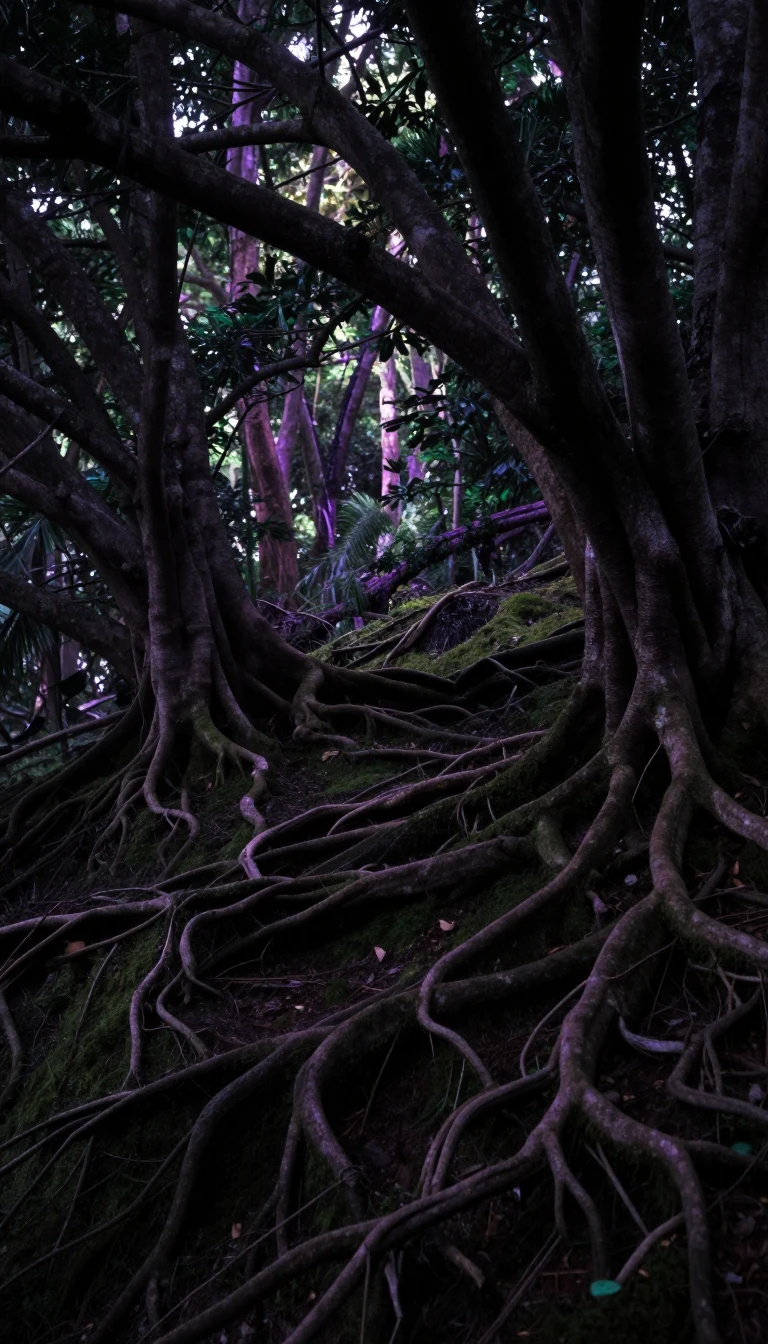
In short: Often overlooked as mere debris, plant litter is a vital biological machine. This accumulation of fallen leaves, twigs, and bark acts as a nutrient recycler, a moisture-retaining shield for soil, and a critical habitat for diverse species, from microscopic organisms to amphibians that rely on its damp, hidden microclimate.
Plant litter, or the O-horizon, is far more than waste. It is a dynamic layer of organic material that facilitates the infiltration of rainwater and protects soil from the erosive impact of raindrops. By shielding the ground from drying and warming, this layer preserves soil moisture and provides essential cover for small animals. Its thickness is highly variable, dictated by factors such as latitude, climate, and seasonality. In tropical rainforests, rapid decomposition keeps the litter layer thin, whereas in boreal forests, slower decay leads to the accumulation of a thick, organic-rich layer known as a mor.
The decomposition of this material is a fundamental nutrient cycle. As detritivores like earthworms, fungi, and bacteria break down the litter, they release inorganic ions—specifically nitrogen and phosphorus—back into the soil, where plants can reabsorb them. This process is so efficient that it sustains forest productivity. Some plants have even evolved to thrive specifically within this layer; for instance, bluebell shoots puncture the litter to emerge in spring, while others utilize rhizomes to navigate the habitat. The process is so critical that ecologists use litterbags to measure decomposition rates and nutrient flux, quantifying how ecosystems manage their own energy stores.
Human activity and invasive species can disrupt these delicate systems. Practices like forest litter raking, which peaked in Europe around 1853 with an estimated 50 teragrams of dry litter removed annually, can alter soil development. Similarly, the introduction of non-native earthworms in glaciated North America has accelerated decomposition rates, potentially threatening native species like salamanders. Even in coastal environments, litter plays a unique role: in mangrove ecosystems, crabs can consume up to 80 percent of leaf material, tracing carbon through the food web and depositing nutrients back into the sediment through their own waste.
Opens the Intellect+ feed with this card first. Swipe up for the next one.
Sources
- Summary by Intellect · source: Plant litter
- Also: iNaturalist — Rubber plantation litter beetle (Luprops tristis) · CC BY-SA 4.0 (Wikipedia summary)
- Also: iNaturalist — Leaf Litter Plant (Agrostistachys borneensis) · CC BY-SA 4.0 (Wikipedia summary)
To cite this card, link to https://intellectplus.co.uk/app/nature-plant-litter.
How we source, check and correct cards: Editorial standards.
General information, not professional advice. Spotted an error? Flag the card or see corrections and complaints.
Intellect Plus is a visual educational discovery platform for exploring fascinating facts and ideas. Brain Food, Not Brain Rot. What is Intellect Plus?
Related
More in Geology · More in Nature · Latest · A–Z · All topics
