Why the solid ground beneath your feet is actually mostly empty space
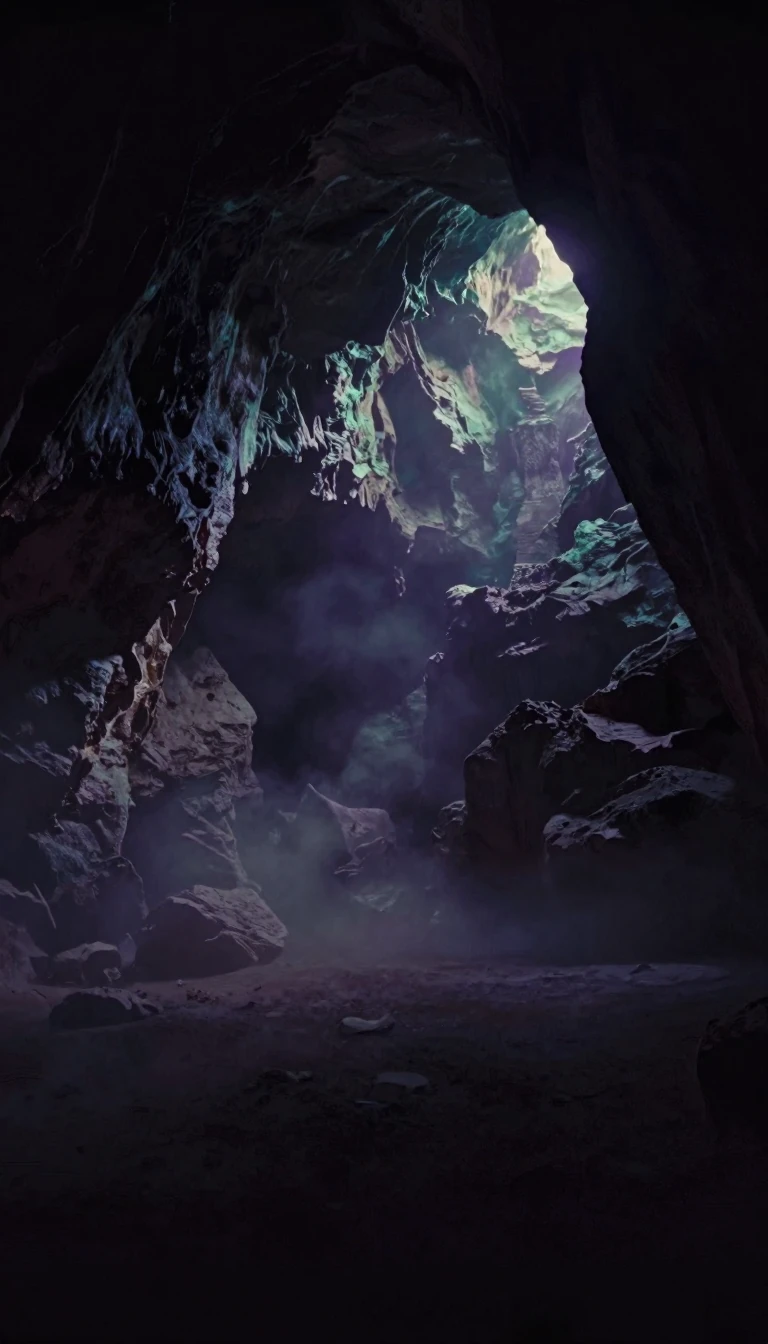
In short: What appears to be a solid rock is often a complex lattice of hidden voids. Porosity, the ratio of empty space to total volume, dictates everything from how oil migrates through the earth to how soil retains water. Understanding these microscopic gaps is essential for mapping our planet's hidden resources.
At its core, porosity is a simple geometric ratio: the volume of void space divided by the total bulk volume of a material. Whether in a piece of industrial casting or a deep sedimentary layer, this fraction—ranging from zero to one—reveals how much of a substance is truly solid versus how much is occupied by air, water, or other fluids. In geology, this property is not static; it is a dynamic function of burial depth, compaction, and the arrangement of mineral grains.
The way grains are organized significantly alters these values. Well-sorted sediments, where particles are of a similar size, typically exhibit higher porosity because they lack smaller fragments to fill the gaps between larger ones. Conversely, poorly sorted materials see their void space occupied by finer particles, which drastically reduces the available room for fluid storage. This relationship is further complicated by the difference between connected and unconnected pores. While connected porosity allows fluids to flow through a medium, unconnected pores remain trapped, rendering them inaccessible to external movement.
A common misconception is that high porosity always equates to high permeability, or the ability of a material to transmit fluids. Clay serves as a perfect counterexample: it often possesses very high porosity, yet its tiny pore throat radii prevent water from moving through it rapidly. This distinction is vital for industries ranging from petroleum extraction to hydrology, where the goal is to identify reservoirs that can both hold and release significant volumes of resources. By analyzing these microscopic structures, scientists can predict how subterranean layers will behave under pressure or during fluid extraction.
Opens the Intellect+ feed with this card first. Swipe up for the next one.
Sources
- Summary by Intellect · source: Porosity | in solids | Britannica
- Also: Porosity
To cite this card, link to https://intellectplus.co.uk/app/nature-porosity.
How we source, check and correct cards: Editorial standards.
General information, not professional advice. Spotted an error? Flag the card or see corrections and complaints.
Intellect Plus is a visual educational discovery platform for exploring fascinating facts and ideas. Brain Food, Not Brain Rot. What is Intellect Plus?
Related
More in Geology · More in Nature · Latest · A–Z · All topics
