Did a mysterious, archaic-looking human population survive in China until the recent past?
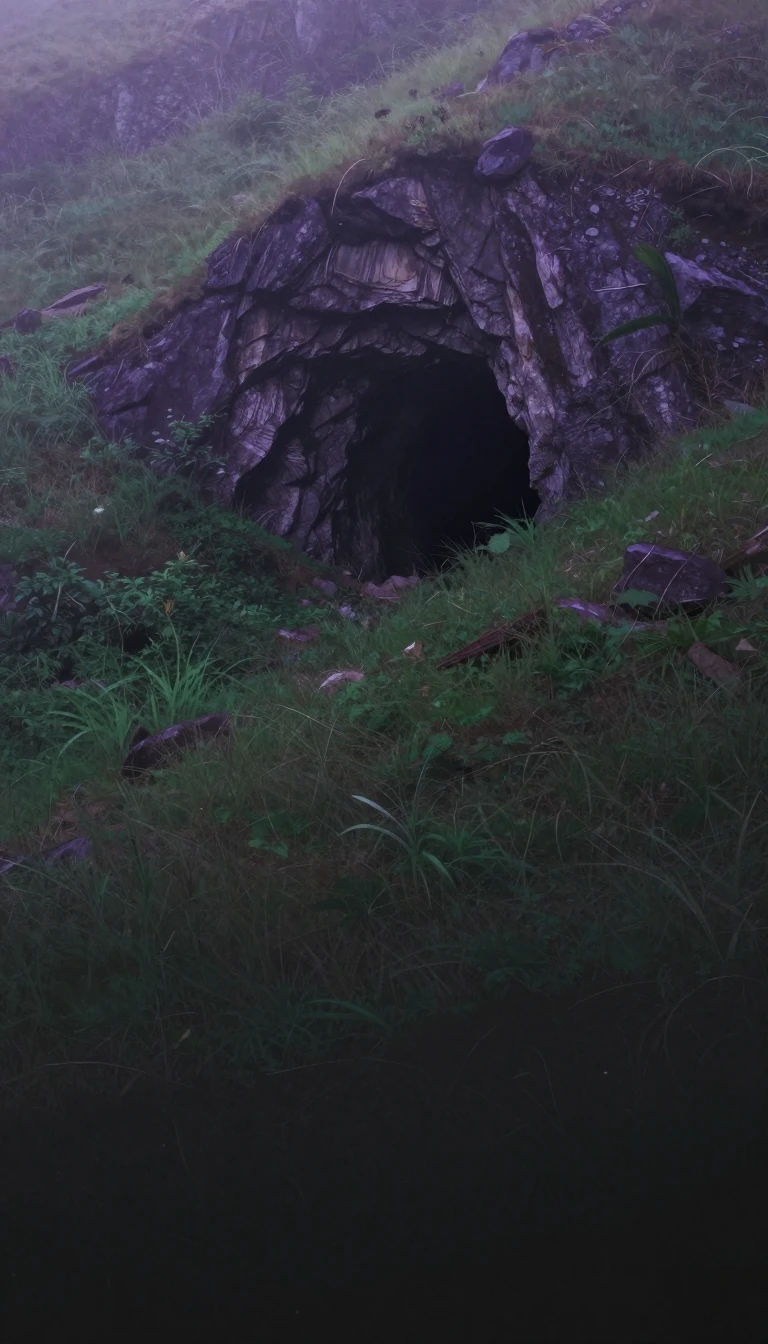
In short: Discovered in Southwest China, the Red Deer Cave people possessed a baffling mix of modern and ancient physical traits. While they lived as recently as 11,500 years ago, their anatomy—including thick skulls and jutting jaws—resembled species that vanished millions of years earlier, sparking a decade of intense scientific debate.
The Red Deer Cave people were first identified through fossils unearthed in Yunnan and Guangxi provinces. Petroleum geologist Li Changqing discovered the initial remains in 1979, but their significance remained obscure until 2008, when researchers Darren Curnoe and Ji Xueping began a systematic re-evaluation. Uranium-thorium dating of charcoal found alongside the bones placed these individuals between 17,830 and 11,500 years ago. This surprisingly recent timeline suggested they coexisted with modern humans, yet their physical appearance was strikingly primitive.
Morphologically, these individuals defied easy categorization. They exhibited a flat face, broad nose, prominent brow ridges, and a chinless, jutting jaw. Their femur bones were particularly archaic, displaying features reminiscent of Lower Pleistocene hominins like Homo erectus, which lived roughly 1.5 million years ago. This mosaic of traits led some scientists to hypothesize that the group represented a previously unknown species, a hybrid population between modern humans and archaic hominins, or perhaps a relict group of Denisovans isolated by the rugged terrain of the Qinghai-Tibetan Plateau.
The mystery deepened with genomic analysis. A 2022 study of the Mengzi Ren skull suggested these individuals were anatomically modern humans with genetic ties to East Asian populations and even Indigenous peoples of the Americas. However, this finding faced scrutiny over potential DNA contamination. Subsequent research in 2025 clarified the genetic landscape, identifying distinct lineages like the 'Longlin lineage,' which appears to have contributed ancestry to later populations in the region. While the debate over their exact classification continues, the Red Deer Cave people remain a pivotal case study in the complex, non-linear evolutionary history of humans in Asia.
Opens the Intellect+ feed with this card first. Swipe up for the next one.
Sources
- Summary by Intellect · source: Red Deer Cave people
To cite this card, link to https://intellectplus.co.uk/app/nature-red-deer-cave-people.
How we source, check and correct cards: Editorial standards.
General information, not professional advice. Spotted an error? Flag the card or see corrections and complaints.
Intellect Plus is a visual educational discovery platform for exploring fascinating facts and ideas. Brain Food, Not Brain Rot. What is Intellect Plus?
Related
More in Vertebrates · More in Nature · Latest · A–Z · All topics
