Meet the prehistoric aquatic mammals that looked and swam like mammalian crocodiles
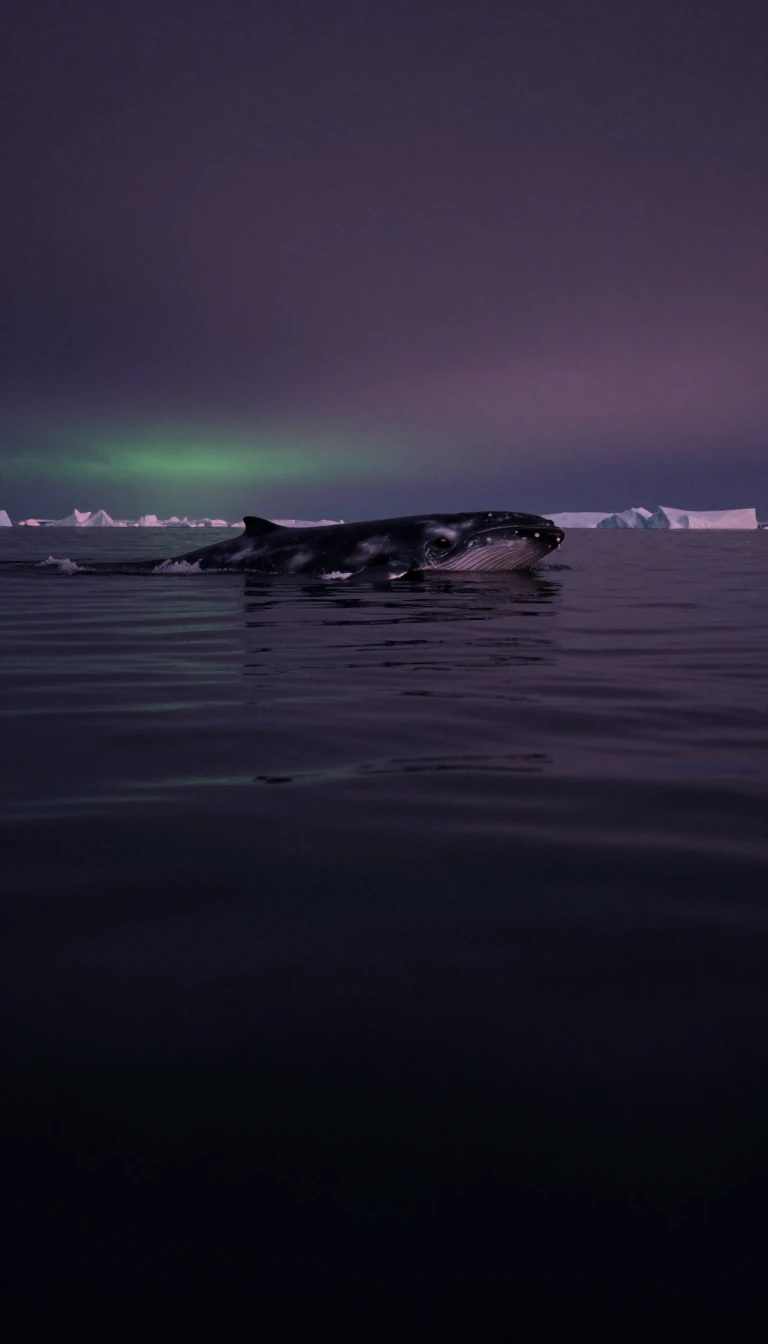
In short: Long before whales dominated the oceans, the Remingtonocetidae family thrived as semi-aquatic predators. With elongated snouts, shark-like teeth, and muscular tails, these creatures occupied a unique ecological niche. They were once thought to be limited to ancient Asian coastlines, but new evidence suggests a much wider, global reach.
Remingtonocetidae represents a fascinating, diverse family of early cetaceans that lived during the Eocene. Named after the paleocetologist Remington Kellogg, these animals possessed a distinct morphology that set them apart from other early whales. Their skulls were long and narrow, featuring small orbits and external nostrils positioned at the front of the head. Their dental structure, characterized by flattened, shark-like anterior teeth, suggests a specialized approach to hunting.
The postcranial anatomy of these creatures, primarily understood through the genus Kutchicetus, reveals a body built for both land and water. With relatively short limbs and long, low bodies, they likely moved through the water using their long, muscular tails, much like a modern giant otter. While they were capable of walking on land, they were primarily adapted to near-shore environments. Their fossils are frequently discovered alongside catfish, crocodilians, and other marine mammals like sirenians, indicating they were likely independent of freshwater habitats.
For years, scientists believed Remingtonocetidae was endemic to the northern coastlines of the Tethys Ocean, specifically in regions now known as Pakistan and India. However, the discovery of the genus Rayanistes in Egypt challenged this narrow view. Furthermore, a single tooth found in the Castle Hayne Limestone of North Carolina suggests these mammals may have reached as far west as eastern North America. This potential distribution across the Atlantic implies a far more expansive range than early research indicated.
The classification of this family has been a subject of significant academic debate since its establishment by Kumar and Sahni in 1986. Over the decades, various researchers have assigned the group to different taxonomic categories, including Archaeoceti and Odontoceti, though modern consensus generally places them within the order Cetacea. In 2009, Thewissen and Bajpai further refined the family structure by proposing the subfamily Andrewsiphiinae to group the genera Andrewsiphius and Kutchicetus, highlighting the ongoing effort to map the complex evolutionary history of these ancient, crocodile-like mammals.
Opens the Intellect+ feed with this card first. Swipe up for the next one.
Sources
- Summary by Intellect · source: Remingtonocetidae
To cite this card, link to https://intellectplus.co.uk/app/nature-remingtonocetidae.
How we source, check and correct cards: Editorial standards.
General information, not professional advice. Spotted an error? Flag the card or see corrections and complaints.
Intellect Plus is a visual educational discovery platform for exploring fascinating facts and ideas. Brain Food, Not Brain Rot. What is Intellect Plus?
Related
More in Vertebrates · More in Nature · Latest · A–Z · All topics
