The Rex rabbit is defined by a genetic mutation that creates plush, velvety fur
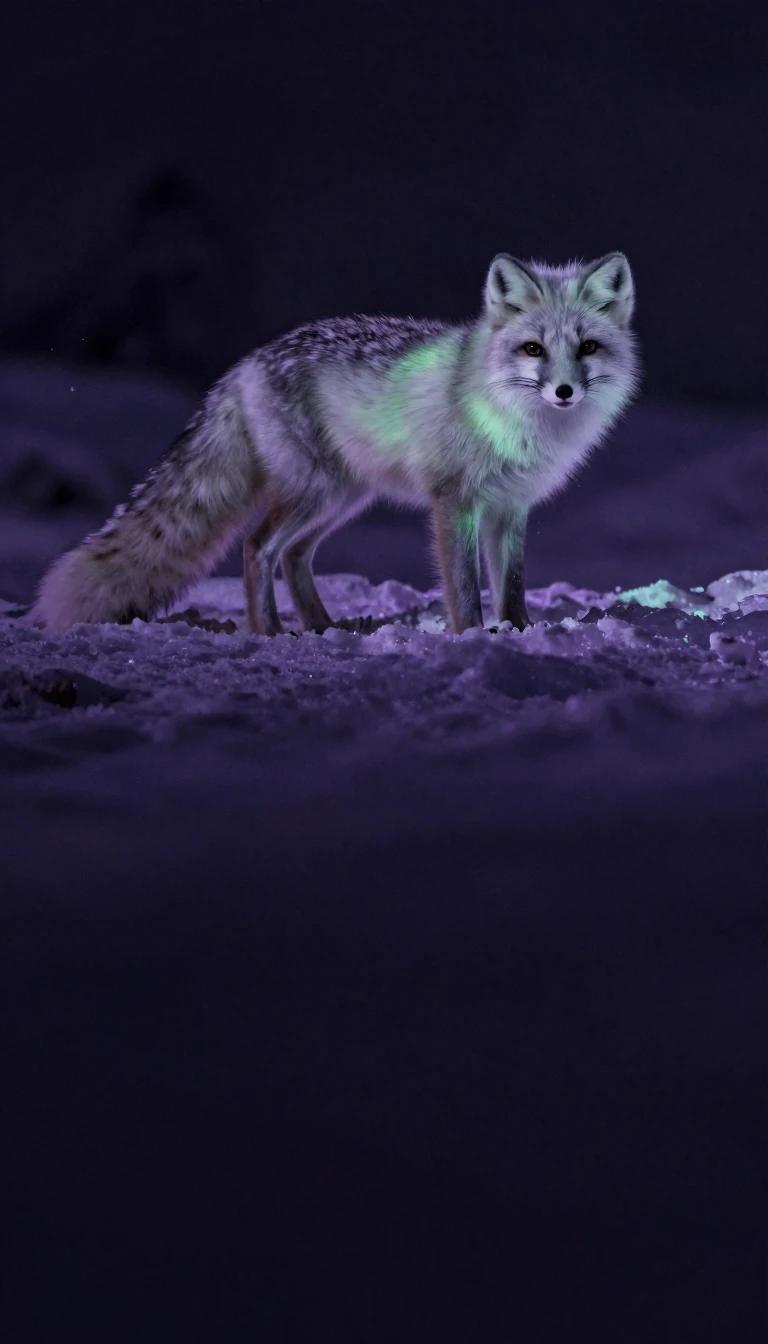
In short: The Rex rabbit is not just a single breed, but a term for animals carrying a specific genetic mutation. This mutation causes their hair to stand outward rather than lying flat, creating a signature plush texture that has made them a staple in the global fur and garment industries for decades.
The Rex rabbit breed originated in France in 1919, emerging from a litter of wild gray rabbits. Over the following years, the breed was refined by fanciers and the fur industry, eventually making its public debut at the Paris International Rabbit Show in 1924. By 1925, it had gained recognition as a standard breed across parts of Europe. Eugène Kohler, working at the University of Strasbourg, played a pivotal role in the breed's development, introducing various color patterns and the chinchilla rex, which remains a primary variety in commercial fur farming.
The defining characteristic of the Rex is its 'rexed' fur, a result of a specific genetic mutation. In standard rabbits, guard hairs typically lie flat, but in the Rex, these hairs are shortened to match the length of the undercoat, causing the fur to protrude outward. This density gives the coat its plush, velvety feel. Today, three distinct types of rex fur are recognized: standard rex, short curly rex, such as the Astrex, and long curly rex, exemplified by the Opossum. The American Rabbit Breeders Association (ARBA) and the British Rabbit Council (BRC) maintain strict standards for the breed based on phenotype, including weight, coloration, and coat texture.
Beyond their aesthetic appeal, Rex rabbits are kept for meat production, show, and as pets. They are a medium-sized breed, typically weighing between 3.4 and 4.8 kilograms, and are known for their calm, low-to-moderate activity levels. In the United States, fur production is often a secondary byproduct of the meat industry. Because meat production focuses on younger animals—harvested between 70 and 84 days—the resulting fur often lacks the maturity required for high-end garments. Consequently, much of the domestic fur supply is repurposed for felt, as the highest quality pelts require the rabbit to reach at least six months of age during the colder seasons.
Opens the Intellect+ feed with this card first. Swipe up for the next one.
Sources
- Summary by Intellect · source: Rex rabbit
To cite this card, link to https://intellectplus.co.uk/app/nature-rex-rabbit.
How we source, check and correct cards: Editorial standards.
General information, not professional advice. Spotted an error? Flag the card or see corrections and complaints.
Intellect Plus is a visual educational discovery platform for exploring fascinating facts and ideas. Brain Food, Not Brain Rot. What is Intellect Plus?
Related
More in Animal breeds and hybrids · More in Nature · Latest · A–Z · All topics
