Why the right whale earned its name by being the perfect target for whalers
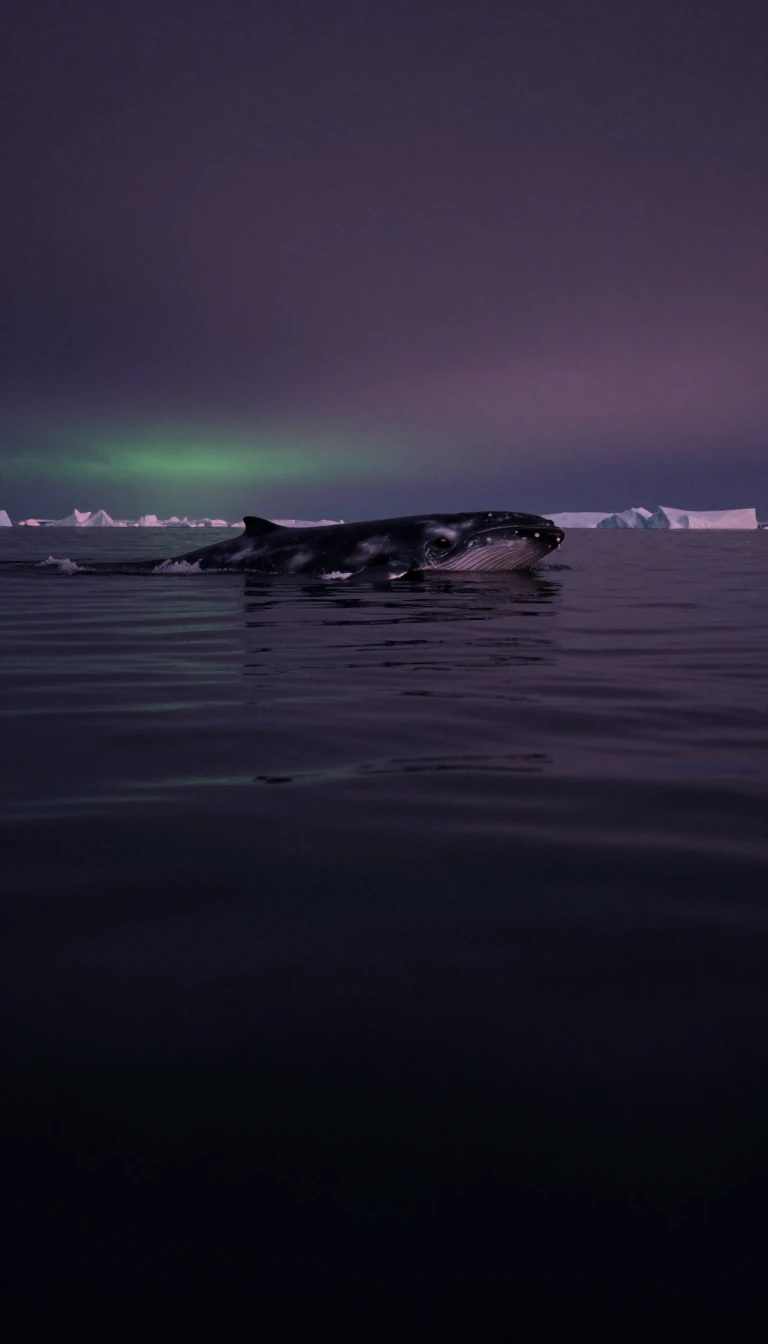
In short: Right whales were once the preferred target for whalers because they were docile, stayed near the coast, and possessed high blubber content that kept them afloat after death. Today, these same traits have left the North Atlantic and North Pacific species among the most endangered whales on the planet.
The name right whale is widely attributed to the idea that they were the right ones to hunt, though historians like Eric Jay Dolin note that this origin remains unproven. The term might simply have been a way to denote a true or proper whale. Regardless of the name's history, the species' biology made them uniquely vulnerable to the whaling industry. Their slow, surface-skimming feeding habits and tendency to remain near continental shelves meant they were easily accessible to historical fleets.
Taxonomy for these animals has been a subject of intense debate for centuries. Initially grouped together by Carl Linnaeus in 1758, the three distinct species—North Atlantic, North Pacific, and southern—were only confirmed as separate lineages through DNA analysis in 2000. Research suggests these populations stopped interbreeding between 3 million and 12 million years ago. Further genetic insights from whale lice, which reproduce faster than their hosts, have helped confirm these evolutionary splits, which were likely driven by the closing of the Isthmus of Panama and subsequent equatorial temperature shifts.
Today, the threats have shifted from commercial hunting to modern maritime dangers. Ship strikes and entanglement in fishing gear are the leading causes of mortality. While the southern right whale population has shown signs of recovery, with estimates reaching 15,000 individuals, the northern species are in a dire state. With only about 400 North Atlantic individuals and a tiny, fragmented North Pacific population, scientists predict both northern species could face extinction within 200 years if current trends continue.
Beyond their conservation status, right whales are biological outliers. They possess the largest testicles of any animal on Earth, weighing up to 525 kg each. This extreme investment in reproductive anatomy suggests that sperm competition is a critical factor in their highly promiscuous mating behavior. While they are not as vocal as other whales, researchers are exploring whether specific high-frequency sounds could be used to alert them to approaching ships, potentially mitigating the risk of fatal collisions.
Opens the Intellect+ feed with this card first. Swipe up for the next one.
Sources
- Summary by Intellect · source: Right whale
- Also: North Atlantic Right Whale (Eubalaena glacialis)
- Also: iNaturalist — Southern Right Whale (Eubalaena australis) · CC BY-SA 4.0 (Wikipedia summary)
To cite this card, link to https://intellectplus.co.uk/app/nature-right-whale.
How we source, check and correct cards: Editorial standards.
General information, not professional advice. Spotted an error? Flag the card or see corrections and complaints.
Intellect Plus is a visual educational discovery platform for exploring fascinating facts and ideas. Brain Food, Not Brain Rot. What is Intellect Plus?
Related
More in Organisms · More in Nature · Latest · A–Z · All topics
