The Rottweiler: From Roman Cattle Driver to Modern Guardian and Working Dog
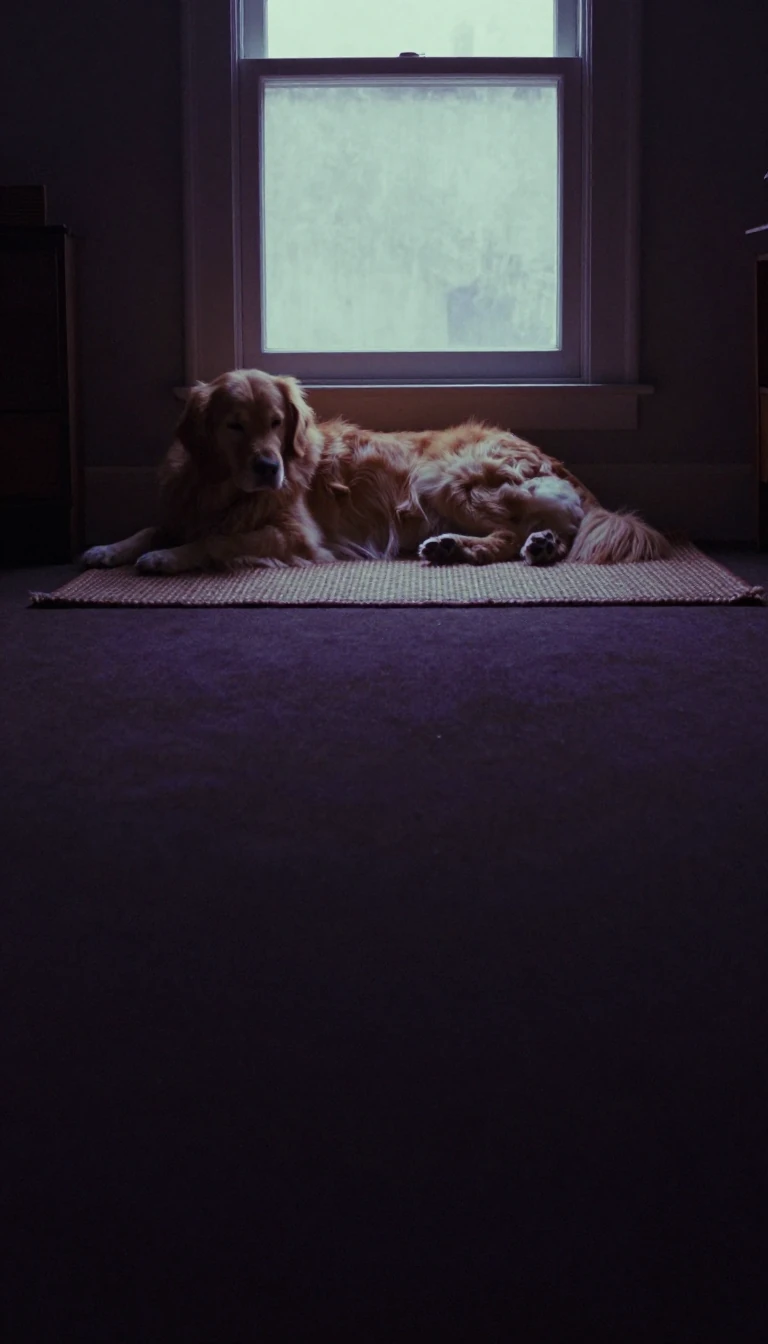
In short: Tracing its lineage to Roman legions, the Rottweiler has evolved from a butcher's cart-puller into a versatile modern athlete. While often recognized for its imposing stature and territorial instincts, this breed possesses a sophisticated herding style that relies on physical force and intimidation to manage even the most stubborn livestock.
The Rottweiler, or Rottweiler Metzgerhund, traces its origins to the Roman era, where these dogs accompanied legions across the Alps to protect humans and drive cattle. In the German region of Rottweil, they integrated with local dogs, eventually becoming essential to butchers who utilized them for herding, guarding, and pulling carts laden with meat. This primary utility persisted until the mid-19th century, when the expansion of railways rendered traditional droving largely obsolete.
The breed saw a significant resurgence during the early 20th century, driven by the demand for police and military dogs during the World Wars. This period saw the establishment of formal breed clubs, such as the Deutscher Rottweiler-Klub in 1914 and the eventual formation of the Allgemeiner Deutscher Rottweiler Klub in 1921. Today, the breed is recognized for its strength, distinctive black-and-tan markings, and a trot-based gait that reflects its history as a working herder. Despite their reputation, they are often used in modern roles ranging from search and rescue to competitive dog sports like Schutzhund.
Behavioral studies offer nuanced insights into the breed's temperament. Research from 2008 suggests that while Rottweilers are generally average in aggression toward owners, they tend to exhibit higher-than-average territorial and watchdog instincts toward strangers. Their herding style is uniquely forceful, often involving the intimidation of dominant animals to maintain control. However, their physical prowess is balanced by a shorter-than-average lifespan. Recent data from 2022 and 2024 studies in England and Italy place their life expectancy between 8 and 10.6 years, with cancer accounting for over 45% of recorded deaths in the breed.
The breed's physical standards are strictly defined, emphasizing a powerful, muscular build. Males typically stand 61–69 cm at the withers and weigh between 50 and 60 kg, while females are slightly smaller. Their coat is low-maintenance but prone to heavy seasonal shedding. While once traditionally docked, tail docking is now banned in many countries, and modern standards have moved to disqualify structural anomalies like the natural bob tail, ensuring the breed maintains its historical, athletic form.
Opens the Intellect+ feed with this card first. Swipe up for the next one.
Sources
- Summary by Intellect · source: Rottweiler
To cite this card, link to https://intellectplus.co.uk/app/nature-rottweiler.
How we source, check and correct cards: Editorial standards.
General information, not professional advice. Spotted an error? Flag the card or see corrections and complaints.
Intellect Plus is a visual educational discovery platform for exploring fascinating facts and ideas. Brain Food, Not Brain Rot. What is Intellect Plus?
Related
More in Organisms · More in Nature · Latest · A–Z · All topics
