How a 16th-century trade revolution transformed Southeast Asian spice culture forever
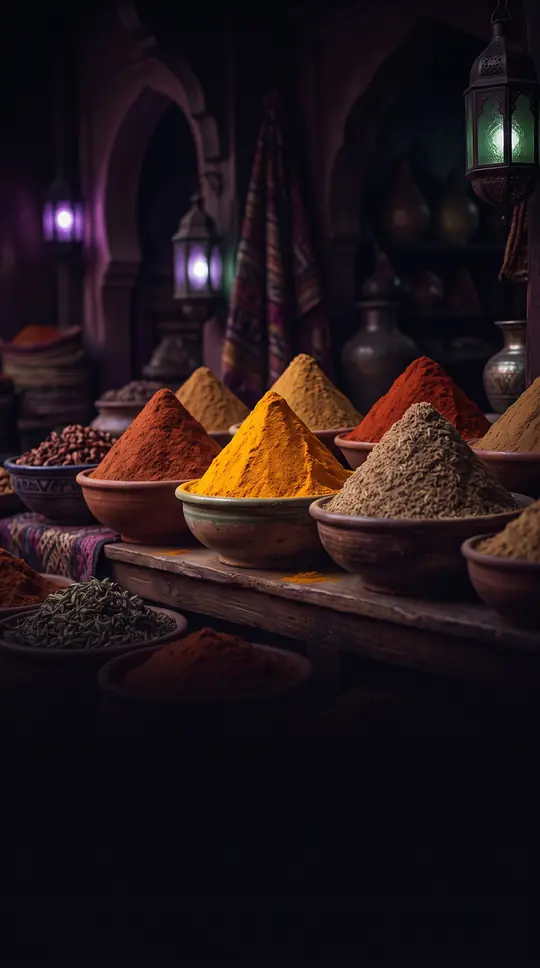
In short: Before chilli peppers arrived from the Americas, Southeast Asian cooks relied on pungent indigenous spices like long pepper and ginger. The introduction of the chilli by Portuguese and Spanish traders in the 1500s sparked a culinary evolution, creating the diverse, vibrant category of condiments now known as sambal.
The history of sambal is rooted in the ancient practice of giling—the manual crushing of ingredients using a mortar and pestle. Long before the 16th century, maritime Southeast Asian communities crafted spicy relishes using Old World aromatics. In Java, Javanese long pepper was the primary heat source, while the Batak people of North Sumatra utilized andaliman, a local variety of Sichuan pepper. These early preparations were valued for both their sharp flavour and perceived medicinal benefits, such as aiding digestion.
The arrival of chilli peppers via Portuguese and Spanish trade networks in the 16th century fundamentally altered this landscape. After the Portuguese captured Malacca in 1511, they facilitated the rapid spread of chillies throughout the archipelago. These new peppers were quickly adopted due to their adaptability to tropical climates and their ability to mask the taste of fermented or less fresh foods. By the 18th century, chilli-based sambals were firmly established across the region, with local communities developing hundreds of unique variations based on available ingredients.
Today, sambal is a versatile category encompassing everything from raw, freshly pounded pastes to cooked, complex sauces. Regional diversity is vast; Indonesia alone is home to an estimated 212 to 300 distinct varieties. Ingredients range from fermented durian and torch ginger to sour fruits like bilimbi and mango. While modern manufacturing has introduced bottled, homogeneous versions, many households and restaurants maintain the tradition of sambal dadak, or 'impromptu sambal,' prepared fresh moments before consumption to ensure maximum flavour.
This culinary tradition has transcended borders, influencing cuisines in Malaysia, Singapore, Brunei, and even Sri Lanka, where the local 'sambol' adaptation reflects colonial-era exchanges. Whether used as a simple condiment, a cooking base, or a standalone side dish, sambal remains a unifying element of Southeast Asian food culture, bridging diverse ethnic groups through a shared, centuries-old commitment to layered, pungent, and intensely spicy flavours.
Opens the Intellect+ feed with this card first. Swipe up for the next one.
Sources
- Summary by Intellect · source: Sambal
To cite this card, link to https://intellectplus.co.uk/app/nature-sambal.
How we source, check and correct cards: Editorial standards.
General information, not professional advice. Spotted an error? Flag the card or see corrections and complaints.
Intellect Plus is a visual educational discovery platform for exploring fascinating facts and ideas. Brain Food, Not Brain Rot. What is Intellect Plus?
Related
More in Organisms · More in Nature · Latest · A–Z · All topics
