The elusive goat-antelopes that thrive from tropical forests to high Himalayan mountain peaks
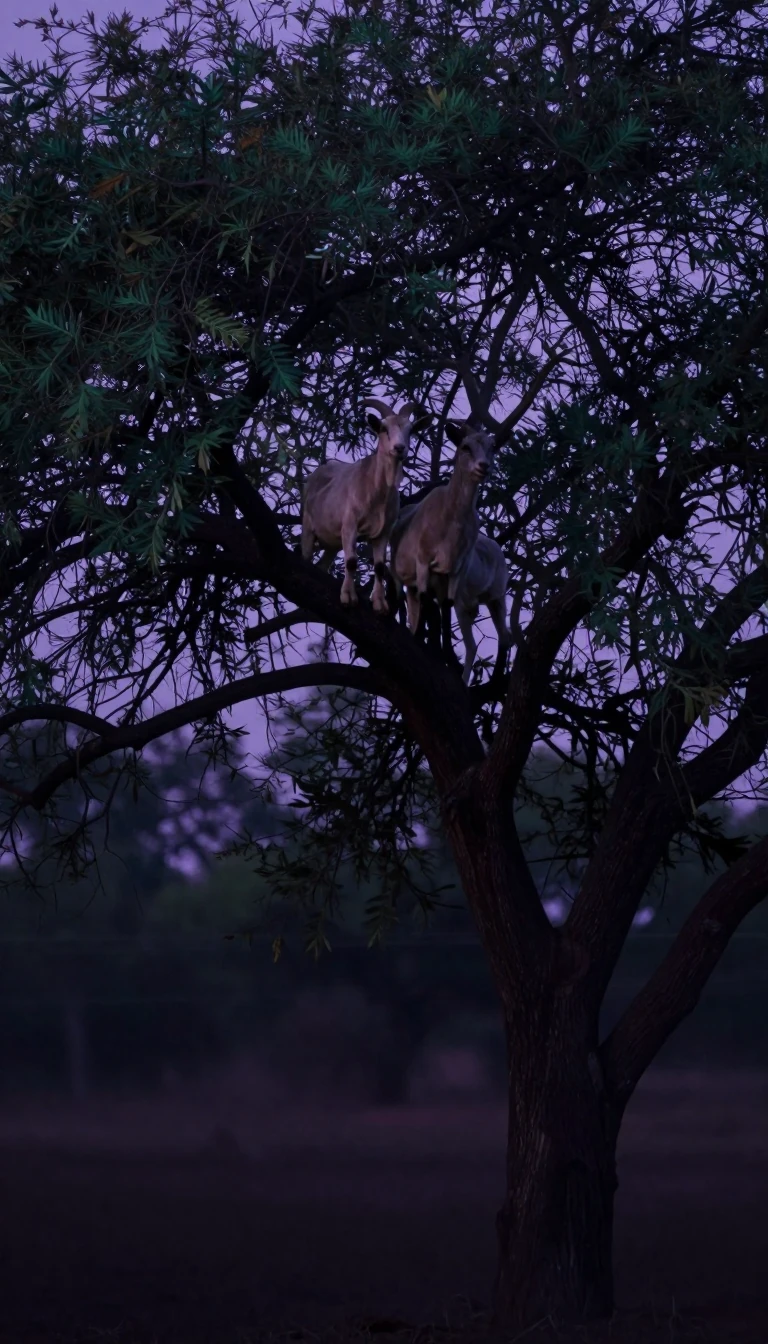
In short: Serows are mysterious, goat-like mammals that navigate diverse Asian landscapes, from sea level to 4,000 meters. These solitary, territorial creatures are notoriously difficult to study due to their nocturnal habits. While some species face severe threats from hunting and habitat loss, others have staged remarkable recoveries through strict legal protection.
Belonging to the genus Capricornis, serows are medium-sized mammals classified within the family Bovidae. Taxonomists have long debated their precise lineage, often placing them in the tribe Rupicaprini or the distinct tribe Naemorhedini. While there is some disagreement regarding species classification, five distinct types are often recognized: the mainland serow, Japanese serow, Formosan serow, Burmese red serow, and the Himalayan thar. These animals are characterized by their stout, backward-curving horns, which appear on both males and females, and their ability to thrive in environments ranging from the Malay Peninsula to the high-altitude terrain of the Himalayas.
The biology of the mainland serow reveals a creature perfectly adapted to rugged, forested environments. Weighing between 30 and 45 kilograms, they are solitary and highly territorial, showing intolerance toward others of the same sex. Their agility is notable; they are known to utilize large tree trunks overhanging cliffs as secure resting sites. Despite their physical prowess, their nocturnal and elusive nature has historically hindered scientific efforts to gather reliable biological data. Their coloration is remarkably variable, often featuring grizzled black fur with patches of white on the throat and muzzle, though some individuals display rusty red tones on their flanks.
Conservation status varies significantly across the genus. The mainland and Burmese red serows are currently considered vulnerable by the IUCN, largely due to poaching for meat and traditional medicine, where their body parts are sought after for supposed remedies like arthritis. In contrast, the Japanese serow serves as a success story for wildlife management. Once threatened by overhunting, it was designated a special natural monument in 1955. Following the elimination of poaching and the expansion of conifer plantations, the population has surged to approximately 100,000 individuals. This recovery has been so successful that authorities have implemented annual culling operations since 1978 to manage their numbers, demonstrating the complex balance between conservation and human-altered ecosystems.
Opens the Intellect+ feed with this card first. Swipe up for the next one.
Sources
- Summary by Intellect · source: Serow | Description, Types, & Facts | Britannica
- Also: Serow
To cite this card, link to https://intellectplus.co.uk/app/nature-serow.
How we source, check and correct cards: Editorial standards.
General information, not professional advice. Spotted an error? Flag the card or see corrections and complaints.
Intellect Plus is a visual educational discovery platform for exploring fascinating facts and ideas. Brain Food, Not Brain Rot. What is Intellect Plus?
Related
More in Vertebrates · More in Nature · Latest · A–Z · All topics
