Sleep is a universal biological necessity, even for creatures without a brain.
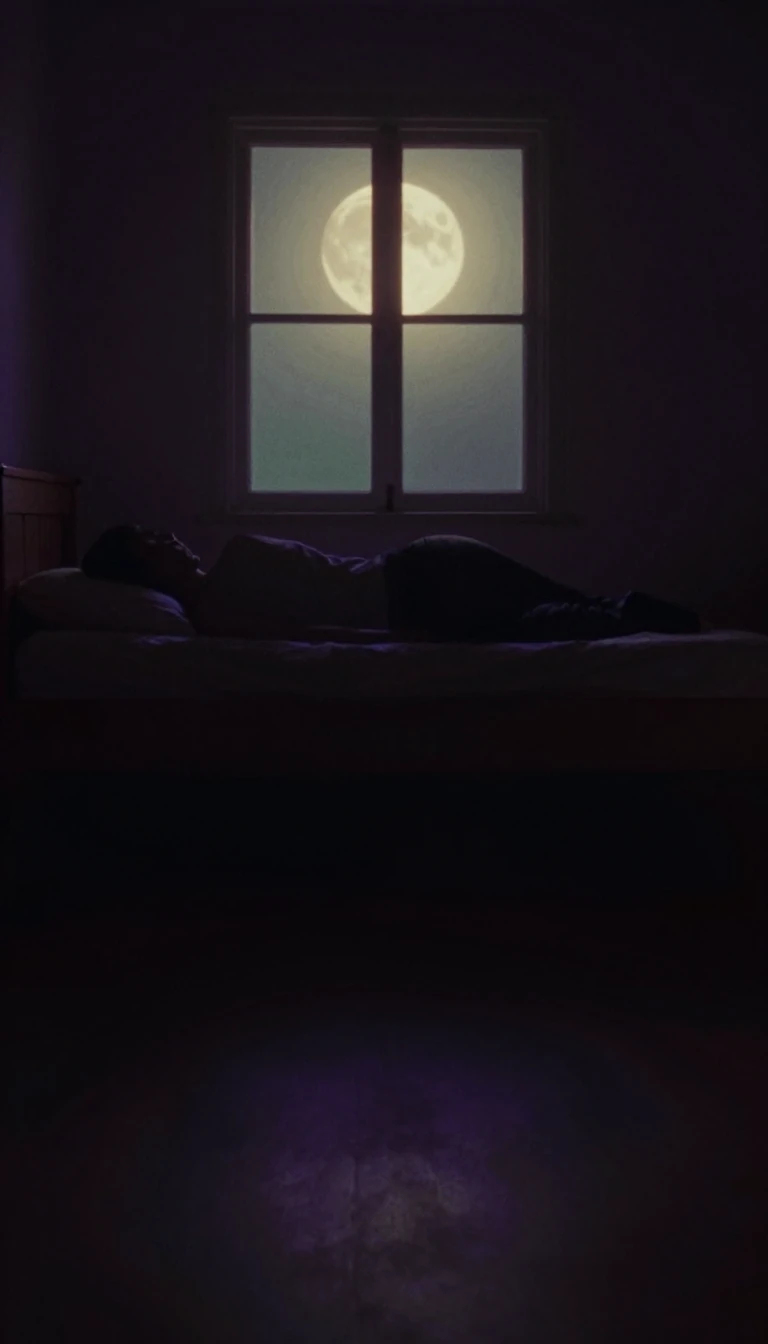
In short: While we often view sleep as a luxury or a simple rest period, it is a fundamental, ancient biological requirement. From jellyfish and simple polyps to complex mammals, almost every animal species exhibits some form of sleep. This essential state helps regulate everything from immune health to memory consolidation.
Sleep is defined either physiologically—involving specific brainwave patterns and reversible unconsciousness—or behaviorally, through minimal movement and increased sensory thresholds. While the physiological definition is standard for birds and mammals, simpler organisms like the Hydra vulgaris and Cassiopea jellyfish demonstrate that sleep-like states do not require a central nervous system. These primitive organisms rely on behavioral markers, suggesting that sleep may be an ancient evolutionary mechanism for time-based niche partitioning.
In more complex animals, sleep is vital for survival. Experiments on rats show that total sleep deprivation leads to fatal outcomes, including weight loss, hypothermia, and sepsis. Furthermore, sleep is crucial for cognitive function and memory. Studies on fruit flies demonstrate that sleep-deprived individuals learn more slowly and forget faster, while research on rats indicates that hippocampal place cells reactivate during slow-wave sleep to consolidate spatial memories. This restorative process is also linked to immune health; sleep-deprived mice show increased susceptibility to cancer growth due to changes in immune-suppressing cells.
Sleep patterns vary wildly across the animal kingdom, often dictated by environmental pressures and metabolic needs. Some species, such as dolphins, whales, and certain birds, utilize unihemispheric sleep, allowing one brain hemisphere to rest while the other remains alert to predators or the need for movement. Others, like the platypus, exhibit high levels of REM-like electrical activity, though it lacks the forebrain activation seen in higher mammals. Ultimately, whether it is the 20-hour slumber of a koala or the brief, intense cycles of a giraffe, sleep remains a deeply conserved, non-negotiable pillar of life.
Opens the Intellect+ feed with this card first. Swipe up for the next one.
Sources
- Summary by Intellect · source: Sleep in animals
To cite this card, link to https://intellectplus.co.uk/app/nature-sleep-in-animals.
How we source, check and correct cards: Editorial standards.
General information, not professional advice. Spotted an error? Flag the card or see corrections and complaints.
Intellect Plus is a visual educational discovery platform for exploring fascinating facts and ideas. Brain Food, Not Brain Rot. What is Intellect Plus?
Related
More in Zoology · More in Nature · Latest · A–Z · All topics
