Spider webs are sophisticated engineering marvels that spiders recycle to save precious protein energy.
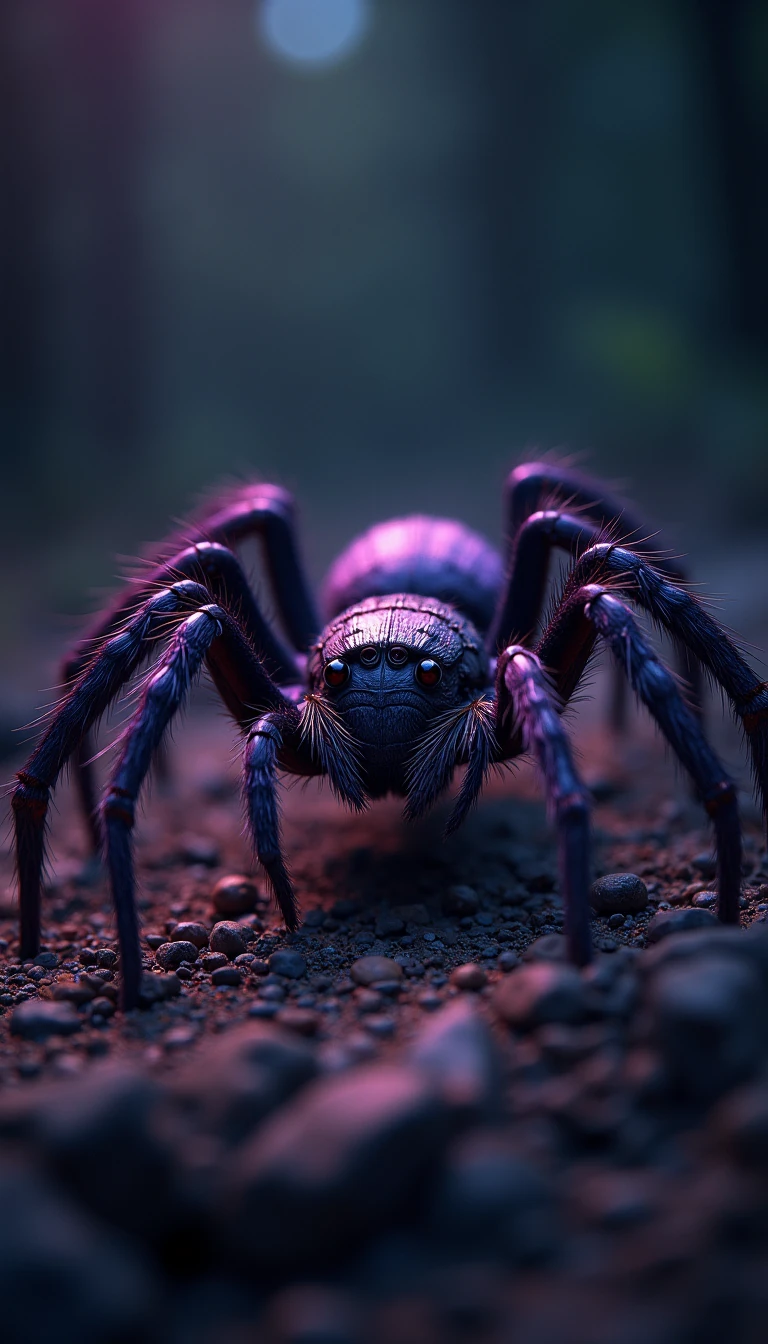
In short: A spider web is far more than a simple trap. These structures, built from proteinaceous silk, are feats of natural engineering that spiders often consume daily to recover resources. From bicycle-wheel orb designs to complex three-dimensional tangles, these silk architectures reveal the hidden, strategic lives of their arachnid architects.
Spider webs are diverse, with seven primary structural categories including orb, sheet, tangle, funnel, lace, radial, and purse webs. The classic orb web, often resembling a bicycle wheel, is a two-dimensional scaffold of radial threads crossed by a sticky spiral. While families like Araneidae use glue-coated silk to secure prey, the Uloboridae family utilizes a unique, woolly cribellate silk that functions like Velcro to entangle insects. Construction is an intensive process; a garden orb-weaver, for instance, requires about two hours to complete a web that can span 40 centimetres.
The placement of these traps is a calculated tactical choice. Spiders often target high-traffic areas, such as near light sources that attract insects, or position webs across flight paths. To span gaps, spiders release a fine thread to drift on the breeze, securing it to a distant surface before strengthening the connection. This engineering is so precise that spiders often use their own bodies as measuring tools during construction, typically resulting in a web roughly 20 times the size of the spider itself.
Beyond mere capture, some webs feature a stabilimentum—a dense, zig-zag band of white silk. While its exact purpose remains debated, researchers hypothesize it may serve as camouflage, an insect attractant, or a warning signal to larger animals like birds to avoid the structure. Because silk production is metabolically expensive, spiders frequently recycle their webs. When a structure loses its stickiness or sustains damage from wind and rain, the spider rolls the silk into a ball and consumes it, allowing the protein components to be digested and reused for future spinning.
The evolution of these aerial traps is thought to be linked to the rise of winged insects, which imposed strong selectional pressures on spider foraging behavior. While the oldest known spider webs date back at least 100 million years to the Early Cretaceous period, the use of silk dates even further back to the Early Devonian, when ancestral spiders first utilized it for protection and safety lines before adapting it for hunting.
Opens the Intellect+ feed with this card first. Swipe up for the next one.
Sources
- Summary by Intellect · source: Spider webs: not just for Halloween | Natural History Museum
- Also: Spider web
To cite this card, link to https://intellectplus.co.uk/app/nature-spider-web.
How we source, check and correct cards: Editorial standards.
General information, not professional advice. Spotted an error? Flag the card or see corrections and complaints.
Intellect Plus is a visual educational discovery platform for exploring fascinating facts and ideas. Brain Food, Not Brain Rot. What is Intellect Plus?
Related
More in Zoology · More in Nature · Latest · A–Z · All topics
