Why scientists struggle to agree on a single way to classify the earth beneath us
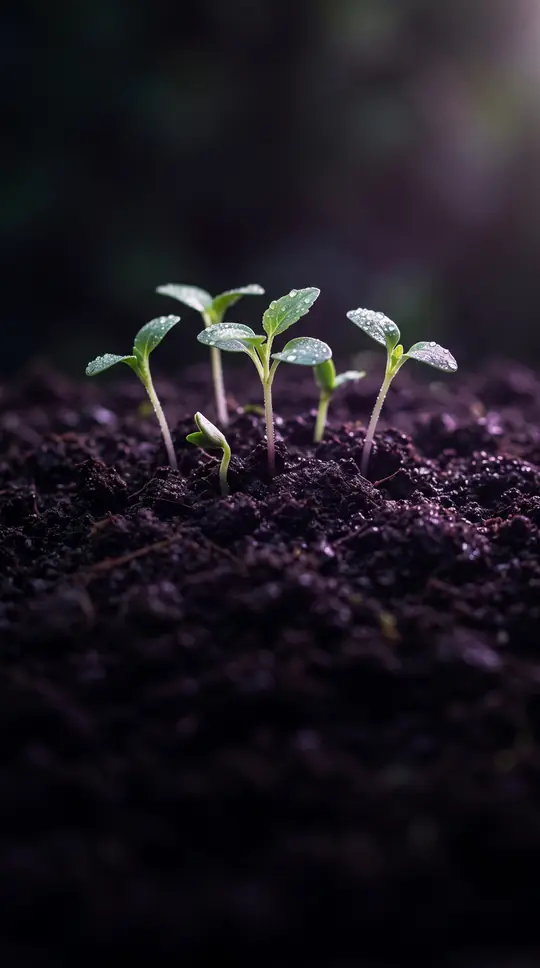
In short: Soil type is more than just dirt; it is a formal taxonomic unit used by scientists to categorize the ground. Yet, there is no universal agreement on how to define these categories. Some systems prioritize how soil formed, while others focus on inherited traits or simple physical properties like sand content.
At its core, a soil type represents a group of soils sharing specific, well-defined properties. While this sounds straightforward, the science of soil classification—or pedology—is surprisingly fragmented. Different systems approach the task through distinct lenses. For instance, the German systematic approach focuses heavily on pedogenesis, the complex process of soil formation. In contrast, frameworks like the Australian Soil Classification remain agnostic about origins, ignoring whether a soil’s characteristics stem from formation processes or other factors.
The complexity deepens when looking at how these systems are structured. Many use hierarchical levels to organize data, but the terminology varies wildly. The United States Department of Agriculture (USDA) taxonomy utilizes six distinct tiers, ranging from orders down to series. Meanwhile, the World Reference Base for Soil Resources (WRB) employs a two-tier structure, using reference groups supplemented by specific qualifiers. Historically, the definition of a soil type has shifted; in the early 1909 system developed by Whitney, the soil type served as the fundamental mapping unit and the lowest level of classification.
Practical challenges also complicate these definitions. Soil scientists often rely on horizons—distinct layers within the ground—to identify types. However, this method fails for initial soils that lack clear layering. In such cases, experts might define types based on overall profile properties, such as the high sand content used to identify Arenosols in the WRB system. Furthermore, modern classification must account for human impact, as agricultural and industrial activities increasingly alter the composition of the earth. Because the term is so broad, many modern scientific systems have moved away from using the label soil type entirely, preferring more specialized nomenclature to capture the nuance of our planet’s diverse surface.
Opens the Intellect+ feed with this card first. Swipe up for the next one.
Sources
- Summary by Intellect · source: Soil type
To cite this card, link to https://intellectplus.co.uk/app/nature-soil-type.
How we source, check and correct cards: Editorial standards.
General information, not professional advice. Spotted an error? Flag the card or see corrections and complaints.
Intellect Plus is a visual educational discovery platform for exploring fascinating facts and ideas. Brain Food, Not Brain Rot. What is Intellect Plus?
Related
More in Geology · More in Nature · Latest · A–Z · All topics
