The South American plate is constantly drifting westward, reshaping the continent's massive mountain ranges.
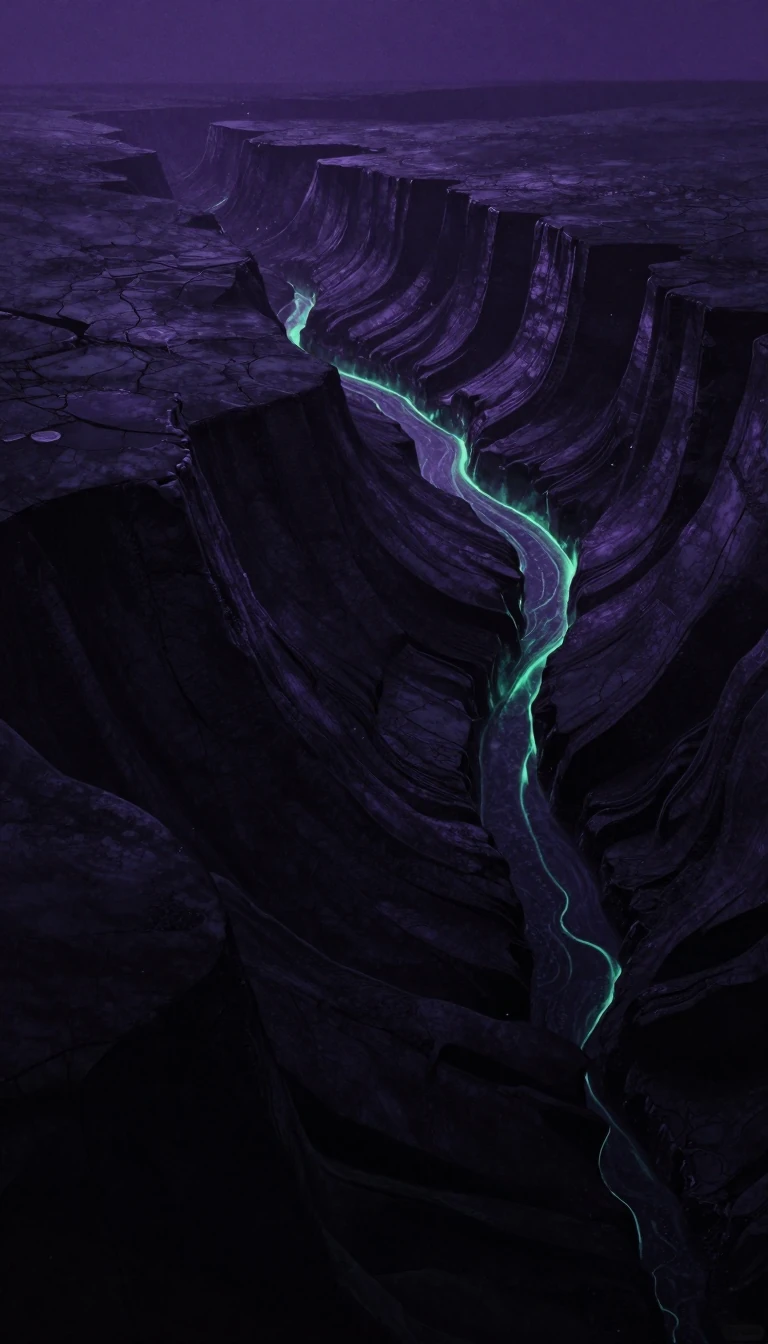
In short: The South American plate is not just a static piece of land; it is a massive tectonic entity drifting westward across the globe. This relentless movement, driven by deep-seated geological forces, dictates the dramatic landscape of the Andes and keeps the continent in a state of constant, slow-motion transformation.
The South American plate encompasses the entire South American continent and a significant portion of the Atlantic seabed, stretching eastward to meet the African plate. This boundary forms the southern section of the Mid-Atlantic Ridge, a divergent zone where the plate is actively moving away from its eastern neighbor. As the plate drifts west, it interacts with a complex array of surrounding tectonic structures, including the Caribbean plate to the north and the Antarctic and Scotia plates to the south.
The most dramatic geological consequences occur along the western edge, where the dense, eastward-moving Nazca plate collides with the South American plate. This subduction process, occurring at a rate of 77 millimeters per year, is the primary engine behind the formation of the Andes Mountains. The immense pressure and heat generated by this collision have pushed the crust upward and fueled the creation of numerous stratovolcanoes and shield volcanoes that define the Andean landscape.
Scientists attribute this movement to a dynamic system of forces within the Earth. While convection currents in the mantle—fueled by the radioactive decay of elements deep underground—are widely considered the primary driver, other mechanisms like ridge push and slab pull play critical roles. Ridge push occurs at the Mid-Atlantic Ridge, where gravitational forces pull cooling, dense rock away from the elevated ridge, allowing new magma to rise. Simultaneously, slab pull occurs as the dense Nazca plate sinks into the mantle, effectively dragging the rest of the plate along with it.
Despite the consensus on these mechanisms, the exact nature of plate movement remains a subject of ongoing scientific debate. The Chile triple junction, located near the Taitao–Tres Montes Peninsula, serves as a prime example of this complexity, where the oceanic Chile Rise is currently subducting beneath the South American plate. These interactions illustrate how the planet’s interior heat continues to reshape the surface, ensuring that the geography of South America remains a work in progress.
Opens the Intellect+ feed with this card first. Swipe up for the next one.
Sources
- Summary by Intellect · source: South American plate
- Also: South American Plate | geology | Britannica
To cite this card, link to https://intellectplus.co.uk/app/nature-south-american-plate.
How we source, check and correct cards: Editorial standards.
General information, not professional advice. Spotted an error? Flag the card or see corrections and complaints.
Intellect Plus is a visual educational discovery platform for exploring fascinating facts and ideas. Brain Food, Not Brain Rot. What is Intellect Plus?
Related
More in Geology · More in Nature · Latest · A–Z · All topics
