How a massive Soviet pincer movement forced Japan to surrender in August 1945
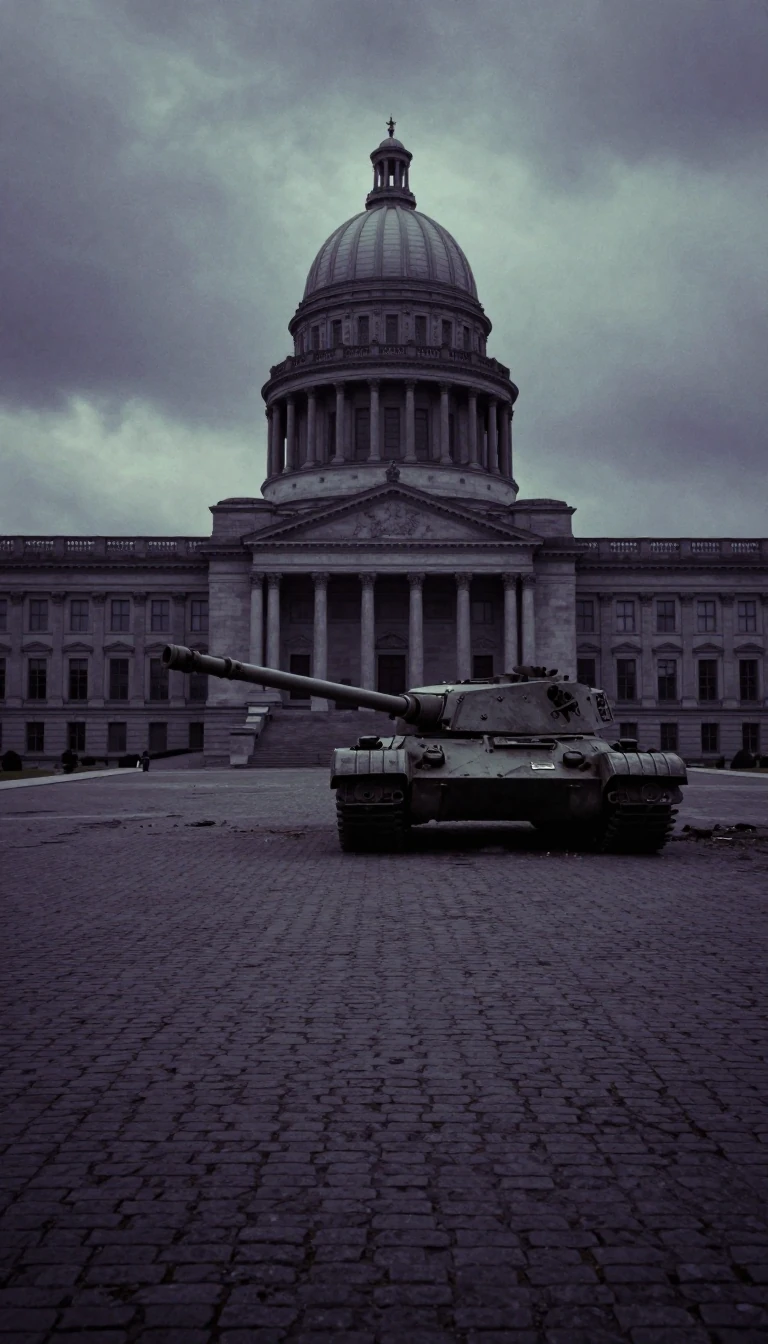
In short: In the final days of World War II, the Soviet Union launched a lightning offensive across Manchuria. By deploying 1.5 million troops in a coordinated triple-front assault, the Soviets shattered the Japanese Kwantung Army, effectively ending the conflict and forcing Japan to accept unconditional surrender after years of brutal fighting.
The Soviet–Japanese War, often called Operation August Storm, began on 9 August 1945. Following agreements made at the Tehran and Yalta Conferences, Stalin committed to entering the Pacific Theater three months after Germany’s defeat. While the Japanese military correctly anticipated an eventual Soviet invasion, their intelligence failed to grasp the scale or timing of the buildup. Believing an attack was unlikely before autumn 1945 or spring 1946, they were caught mid-redeployment when the Red Army struck simultaneously across three fronts.
The Soviet strategy, directed by Marshal Aleksandr Vasilevsky, utilized a massive double pincer movement. The Transbaikal Front advanced from the west through the ostensibly impassable Greater Khingan mountains, while the 1st and 2nd Far East Fronts pushed from the east and north. This maneuver spanned an area comparable to Western Europe. The Japanese Kwantung Army, despite its reputation, had been hollowed out over three years as elite troops and heavy equipment were diverted to the Pacific. By August, it functioned largely as a poorly equipped, light infantry counterinsurgency force.
The collapse was swift. Soviet forces, numbering 89 divisions, utilized maneuver warfare tactics honed against Germany, including airborne units to secure key infrastructure. Japanese defenders, lacking adequate anti-tank weaponry, resorted to suicide tactics and kamikaze aviation to stall the advance. Despite pockets of fierce resistance, the overwhelming Soviet pressure—combined with the atomic bombings of Hiroshima and Nagasaki—left the Japanese government with no viable path to a conditional peace. The campaign concluded by early September, marking the final major military operation of the Second World War.
Opens the Intellect+ feed with this card first. Swipe up for the next one.
Sources
- Summary by Intellect · source: Soviet–Japanese War
To cite this card, link to https://intellectplus.co.uk/app/nature-soviet-japanese-war.
How we source, check and correct cards: Editorial standards.
General information, not professional advice. Spotted an error? Flag the card or see corrections and complaints.
Intellect Plus is a visual educational discovery platform for exploring fascinating facts and ideas. Brain Food, Not Brain Rot. What is Intellect Plus?
Related
More in Physical geography · More in Nature · Latest · A–Z · All topics
