Is the Spanish omelette better with or without onions? The debate is fierce.
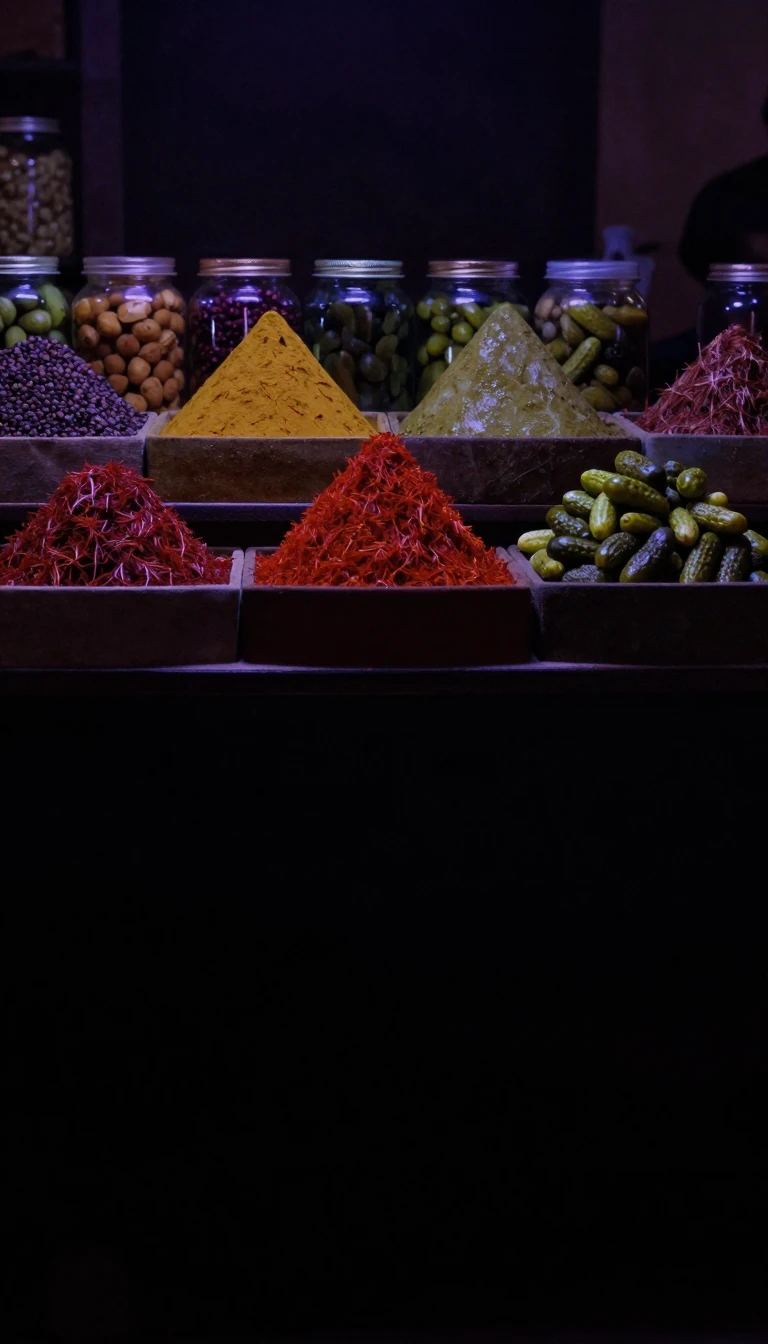
In short: Spanish cuisine is a mosaic of regional identities, shaped by millennia of conquest and trade. From the Mediterranean triad of wheat, grapes, and olives to the transformative impact of the Columbian exchange, Spain’s food landscape is a complex, often contested, blend of history, geography, and deep-seated cultural pride.
The foundation of Spanish cooking rests on the Mediterranean triad—wheat, grapes, and olives—which sustained the southern Iberian Peninsula during the Roman Era. Over centuries, this base was enriched by diverse influences. The Visigoths introduced fermented milk, while the Hispano-Muslim period brought irrigation techniques and ingredients like rice, saffron, spinach, and eggplant. Even during periods of religious restriction, wine consumption remained a persistent, widespread tradition.
The 1492 arrival of Europeans in the Americas fundamentally altered the Spanish pantry. Tomatoes, potatoes, maize, and various peppers became staples, eventually enabling iconic dishes like the tortilla de patata. By the 18th century, these ingredients were fully integrated, though not without criticism from foreign observers who found the heavy use of strong condiments like saffron and tomato sauce unappealing. This tension between local tastes and external perceptions persisted, notably in the 19th century, when the aristocracy favored French-style cooking.
Modern Spanish identity was forged in the late 19th and early 20th centuries as writers and gastronomes sought to define a national cuisine. This movement pushed back against French dominance, championing rustic dishes like the olla podrida. Today, the country’s food culture remains defined by regional diversity, from the Atlantic-rooted, cider-drinking traditions of Asturias to the Mediterranean-focused, seafood-rich preparations of the Basque Country and the Balearic Islands. Whether it is the specific preparation of Asturian cider or the ongoing, highly opinionated societal disagreement over onions in a tortilla, Spanish food remains a vibrant, living argument.
Opens the Intellect+ feed with this card first. Swipe up for the next one.
Sources
- Summary by Intellect · source: Spanish cuisine
To cite this card, link to https://intellectplus.co.uk/app/nature-spanish-cuisine.
How we source, check and correct cards: Editorial standards.
General information, not professional advice. Spotted an error? Flag the card or see corrections and complaints.
Intellect Plus is a visual educational discovery platform for exploring fascinating facts and ideas. Brain Food, Not Brain Rot. What is Intellect Plus?
Related
More in Physical geography · More in Nature · Latest · A–Z · All topics
