Why this vibrant sea slug is named after a dramatic Spanish flamenco performer
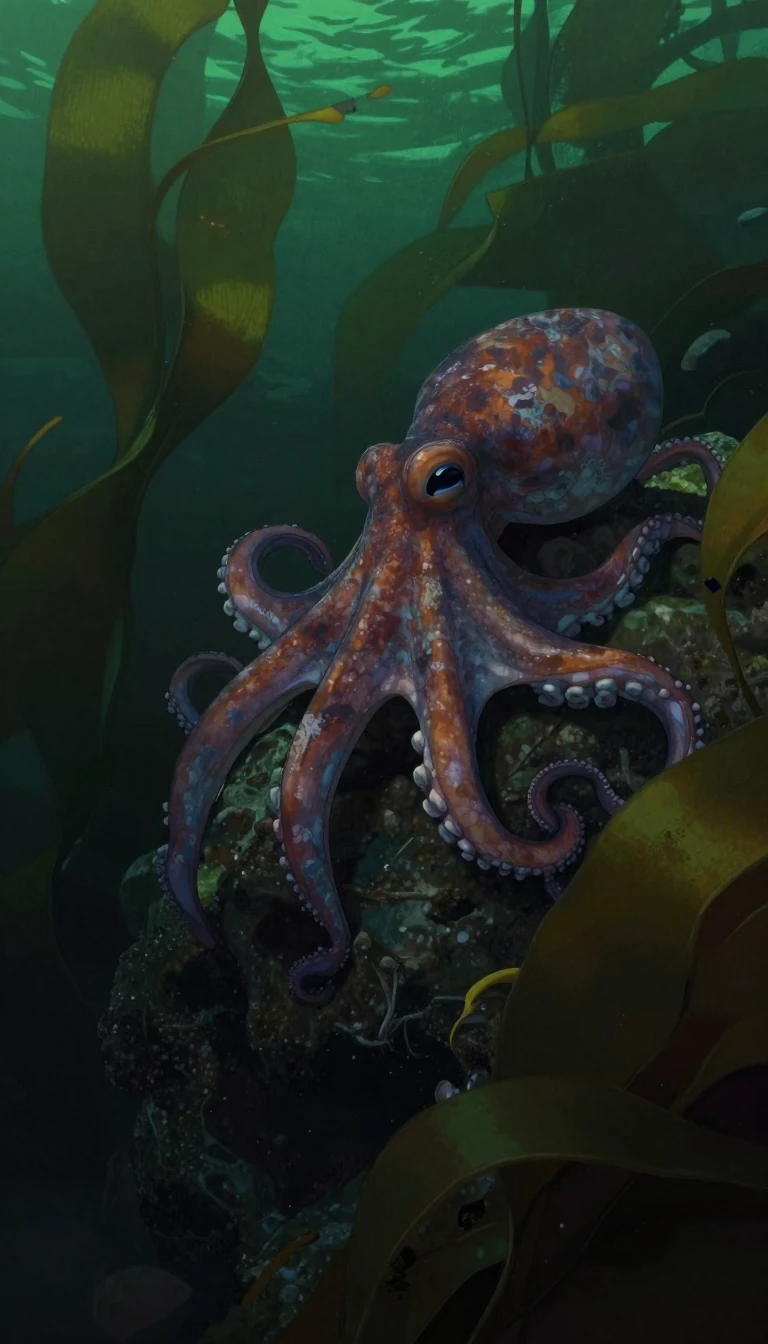
In short: The Spanish dancer is a massive, colorful nudibranch that spends its days hiding in reef crevices. When threatened, it unfurls its mantle and performs a rhythmic, undulating swim that mimics the swirling skirts of a dancer. This elegant escape maneuver is a sophisticated defense mechanism for a soft-bodied marine mollusk.
The Spanish dancer, scientifically known as Hexabranchus sanguineus, is a large dorid nudibranch that typically reaches 25 cm in length, though specimens in the Red Sea have been reported at up to 40 cm. While long considered a single species, a 2023 molecular and morphological study revealed that the name actually encompasses at least five distinct species. These creatures are found across the Red Sea, Western Indian Ocean, French Polynesia, and the Western Pacific, often displaying regional color variations that remain indistinguishable through standard DNA barcoding.
These nocturnal mollusks inhabit rocky and coral reefs at depths between 1 and 50 meters. Their anatomy is distinct, featuring a pair of retractable rhinophores and six independent contractile gills. When crawling, they maintain a peripheral blister by curling their mantle edges upward. If disturbed, they abandon this posture to swim through body undulations, a behavior that earned them their common name. They are also known to host the commensal emperor shrimp, Periclimenes imperator, which lives on their bodies.
As hermaphrodites, Spanish dancers produce large, spiral-shaped egg ribbons in shades of red or pink. Their survival strategy is chemically complex: they feed on sponges from the family Halichondriidae and sequester potent defensive compounds. These toxins are transferred into their egg ribbons via macrolides, providing a chemical shield for their otherwise vulnerable offspring. This toxic defense is so effective that other nudibranch species, such as Favorinus tsuruganus and Favorinus japonicus, are known to covet these egg ribbons, highlighting the intricate ecological relationships surrounding this remarkable sea slug.
Opens the Intellect+ feed with this card first. Swipe up for the next one.
Sources
- Summary by Intellect · source: Spanish dancer
- Also: Spanish Dancer (Hexabranchus sanguineus)
To cite this card, link to https://intellectplus.co.uk/app/nature-spanish-dancer.
How we source, check and correct cards: Editorial standards.
General information, not professional advice. Spotted an error? Flag the card or see corrections and complaints.
Intellect Plus is a visual educational discovery platform for exploring fascinating facts and ideas. Brain Food, Not Brain Rot. What is Intellect Plus?
Related
More in Mollusks · More in Nature · Latest · A–Z · All topics
