 Intellect Plus
Mollusks
54 cards. Each one is a 40-second story with a five-minute read behind it.
 The hidden architects of river health are hiding in plain sightFreshwater mussels are often overlooked, tucked away at the bottom of rivers and streams. Yet, these imperiled organisms are vital to aquatic ecosystems. Conservationists are now …
 A snail's armor may be a side effect of its fearWhen marine snails face predators like crabs, they often grow thicker shells to survive. For years, scientists assumed this was an active physiological investment—a deliberate tra…
 Evolutionary trade-offs: how bivalves traded their heads for specialized filtersMost mollusks possess heads and complex rasping organs, yet bivalves have abandoned these features entirely. By trading sensory complexity for specialized filtration, these creatu…
 The invisible chemistry of ocean acidification is dissolving the foundations of marine lifeWatch as Mark Eakin from NOAA explains how rising carbon levels are fundamentally altering seawater chemistry. This video explores why mollusks and coral reefs are facing a struct…
 The complex biology hidden within nature's most common ornamentsWhile we often admire seashells as static objects of beauty, they are the homes of diverse organisms with unique ecological roles. This episode explores the biological complexity …
 The unexpected cultural footprint of mollusks in modern mediaFrom video game themes to iconic level music, mollusks have secured a surprisingly prominent place in our collective digital imagination. This video explores the diverse ways thes…
 The evolution of the radula: nature's multi-purpose biological raspMost mollusks possess a specialized anatomical structure called a radula. Far from being a simple tongue, this chitinous ribbon of teeth functions as a versatile biological tool. …
- Meet the Achatina, the giant land snails that dominate the African landscapeThe genus Achatina contains some of the largest land snails on Earth. Native to Sub-Saharan Africa, these air-breathing mollusks are known for their striking, ovate shells and imp…
 The coconut octopus is a master of disguise that walks on two legsIn the sandy depths of the tropical Pacific and Indian Oceans, the coconut octopus performs feats once thought impossible for an invertebrate. It is one of the few creatures capab…
- These worm-like deep-sea creatures are actually mollusks hiding in plain sightAplacophorans look nothing like the clams or snails we associate with mollusks. These cylindrical, shell-less marine animals inhabit the deep ocean floor, often disguised as simpl…
 Why these giant, shell-less sea slugs are named after the common hareSea hares are bulky, herbivorous marine mollusks that look nothing like rabbits, yet they share a name. Named for the two upward-projecting rhinophores that mimic a hare's ears, t…
- The paper nautilus is an octopus that builds its own portable, floating nurseryUnlike its seafloor-dwelling cousins, the argonaut drifts near the ocean surface. To protect its eggs in the open water, the female secretes a delicate, papery shell from its own …
- The banana slug is a liquid-crystal marvel that can numb your tongue on contact.Native to North America's Pacific forests, the banana slug is more than a bright yellow mascot. This complex gastropod navigates its world using liquid-crystal slime, survives by …
- These ancient squid-like creatures left behind 'battlefields' of stone that once fueled medieval folklore.Belemnites were abundant, hook-armed cephalopods that dominated Mesozoic oceans for millions of years. While they vanished during the Cretaceous–Paleogene extinction, their calcit…
- The tiny blue-ringed octopus carries enough neurotoxin to kill twenty-six adult humans.Small enough to fit in your palm, the blue-ringed octopus is one of the ocean's most lethal creatures. When threatened, it flashes vivid, iridescent blue rings as a warning. Its s…
 The giant sea snail that hunts venomous starfish to save coral reefsTriton snails are not just beautiful shells; they are formidable predators. Armed with a toothy, serrated radula and paralyzing saliva, these marine mollusks actively hunt crown-o…
 The sea angel is a shell-less predator that can survive a year without eating.Clione limacina, known as the sea angel, is a pelagic mollusk that haunts the cold waters of the Arctic and North Atlantic. Despite its ethereal appearance, this shell-less predat…
- The common octopus is a master of camouflage, intelligence, and rapid physical transformation.Widely distributed across the world's tropical and temperate seas, the common octopus is a highly intelligent invertebrate. Beyond its eight arms and bulbous head, this creature e…
 The deadly cone snail is a master of chemical warfare and high-speed hunting.These predatory marine snails use a harpoon-like tooth to fire neurotoxins into their prey at speeds reaching 90 kilometers per hour. While some species can be fatal to humans, th…
 The humble garden snail is a biological marvel of engineering, medicine, and ancient travelKnown globally as a common garden pest, the snail Cornu aspersum is actually a sophisticated survivor. From its ability to survive freezing temperatures by altering its blood chem…
- Why the razor clam is the most elusive escape artist on the beachKnown as spoots in Scotland for the water they spray while burrowing, Ensis clams are masters of rapid escape. These fragile, razor-shaped mollusks hide deep within clean, sandy b…
- The ancient origins of molluscs remain one of biology's most contentious evolutionary puzzlesMolluscs are among the most diverse animals on Earth, yet their family tree is a battleground of competing theories. From the Cambrian explosion to modern molecular analysis, scie…
 The world's longest-living invertebrate hides in plain sight within cold, clean mountain streams.The freshwater pearl mussel is a biological marvel capable of surviving for over two centuries. These elusive mollusks thrive in pristine, fast-flowing rivers, relying on a comple…
- The giant clam is a solar-powered mollusc, not a man-eating sea monster.Forget the myths of divers trapped by snapping shells. The giant clam is actually a master of solar energy, farming algae within its own tissues to fuel its massive growth. These …
- The giant Pacific octopus is a master of camouflage that can hunt sharksAs the largest octopus species on Earth, the giant Pacific octopus is a formidable predator capable of reaching weights over 600 pounds. These intelligent invertebrates use specia…
- How do the world's largest invertebrates survive in the lightless, crushing deep ocean?The giant squid is a creature of legend, yet it remains one of Earth's most elusive mysteries. Despite its massive size, this deep-sea inhabitant was rarely seen alive until the 2…
- The blue sea dragon is a venomous predator that floats upside down to surviveThis tiny, ethereal nudibranch drifts through the open ocean, camouflaged by its own body. By swallowing air and utilizing surface tension, it navigates the waves upside down. Des…
- Are these ancient armored creatures the missing link between mollusks and other animals?Halkieriids were strange, armored organisms from the Cambrian period, covered in mysterious mineralized plates called sclerites. Paleontologists have spent decades debating their …
- Why these air-breathing land snails are the most famous mollusks in the worldKnown as typical snails, the Helicidae family dominates European landscapes and culinary traditions. These air-breathing gastropods are far more than just garden pests or escargot…
- The Roman snail is a culinary icon that refuses to be farmed commerciallyKnown as the escargot of French cuisine, the Roman snail has been a prized delicacy since the time of Ancient Rome. Despite its popularity, this large land mollusk remains notorio…
- Beyond the slow crawl: the complex, shell-bound lives of terrestrial gastropodsLand snails are not merely slow-moving garden visitors. These diverse mollusks have evolved at least ten independent times to conquer terrestrial life, developing specialized lung…
 The strongest biological material on Earth is found in the teeth of a limpet.Limpets are not just simple snails clinging to rocks; they possess teeth made of a goethite-reinforced chitin matrix that outperforms spider silk in tensile strength. This remarka…
- These predatory sea snails built empires with their vivid, royal purple secretionsMuricidae are more than just striking, spiny shells prized by collectors. These predatory marine gastropods, which first appeared in the Cretaceous period, were once the source of…
- The nautilus is a living relic, defying the short lives of its cephalopod cousins.While most cephalopods live fast and die young, the nautilus is a remarkable exception. These ancient creatures, which have survived for millions of years, can live up to 15 years…
- The straight-shelled cephalopod that fooled scientists for over a centuryFor years, the name Orthoceras was a catch-all term for any straight-shelled fossil found in the ground. Modern research has since dismantled this wastebasket taxonomy, revealing …
- The great scallop is a master of escape, industry, and even religious symbolismBeyond its role as a culinary staple and the inspiration for a global oil company logo, Pecten maximus is a biological marvel. This marine bivalve possesses dozens of eyes, swims …
- The fragile sea clam that once clothed the ancients in golden silkKnown as pen shells, the Pinnidae family of saltwater bivalves are far more than mere seafood. These triangular mollusks anchor themselves into the seafloor, producing a unique by…
 These bizarre, cone-shaped mollusks once dominated the world's ancient tropical reefsBefore corals reclaimed the seas, the Cretaceous oceans were ruled by rudists. These strange, tube-like bivalves built massive, sprawling reefs that stretched for hundreds of kilo…
 Sea slugs are not a single species but a diverse collection of shell-less snailsOften mistaken for simple creatures, sea slugs are a fascinating, varied group of marine gastropods. From solar-powered slugs that photosynthesize to those that weaponize the stin…
 Sea snails are not a single species but a diverse group of marine mollusks.Sea snails are far more than just shells on a beach. These marine gastropods inhabit environments from shallow intertidal zones to the deepest ocean floors. While they share a com…
 The ancient sea pest that changed history finally reveals its secret digestion methodFor centuries, shipworms have dismantled wooden fleets and harbor structures, leaving scientists baffled by their ability to consume wood. While researchers long assumed their gut…
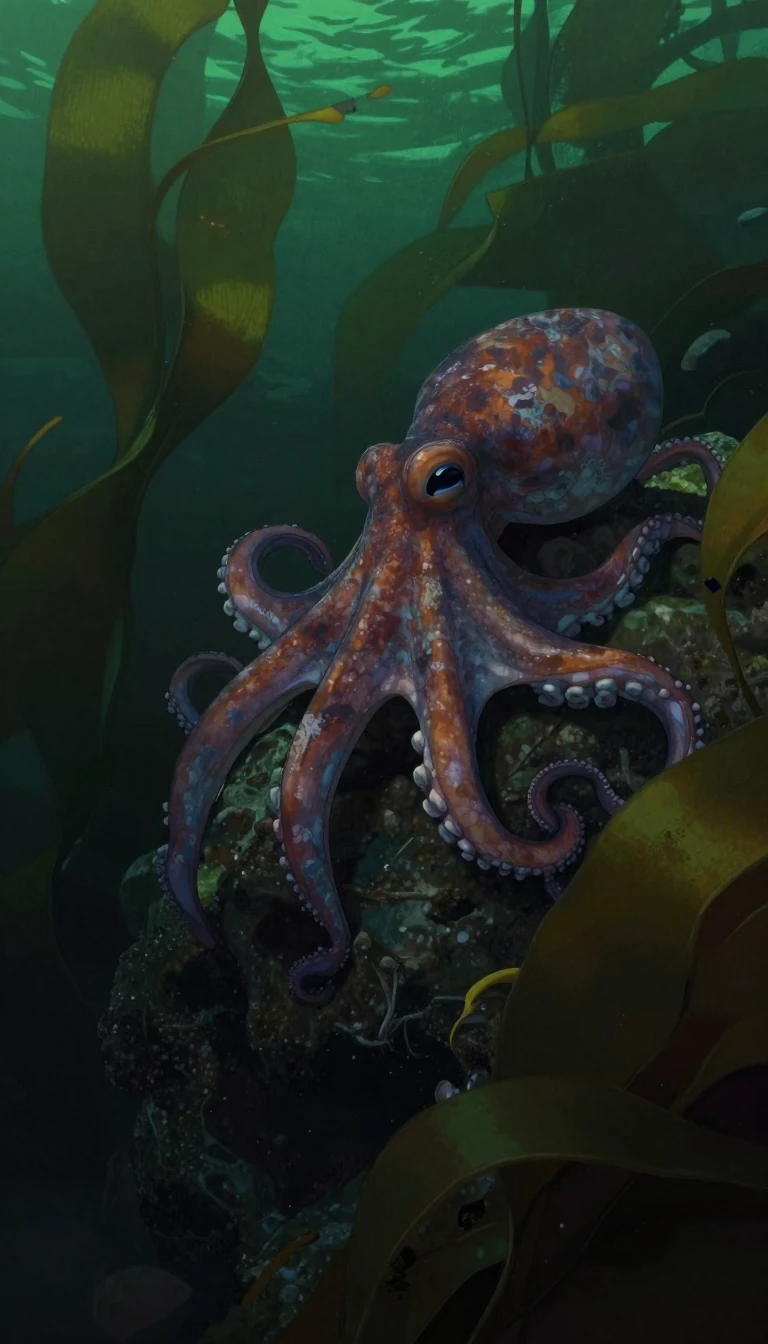 Why this vibrant sea slug is named after a dramatic Spanish flamenco performerThe Spanish dancer is a massive, colorful nudibranch that spends its days hiding in reef crevices. When threatened, it unfurls its mantle and performs a rhythmic, undulating swim …
 The mysterious ram's horn squid is a deep-sea ghost with a glowing secretYou have likely held its shell on a beach, but you have almost certainly never seen the animal itself. Spirula spirula is a rare, deep-water cephalopod that spends its days in the…
 The taxonomic nightmare of the sea snail family once thought to hold everythingFor decades, the family Turridae was a taxonomic catch-all for thousands of predatory sea snails. It was so vast and confusing that researchers once despaired of ever organizing i…
 Why these sea snails defy the typical gastropod diet by acting like bivalvesMost sea snails are active hunters or scavengers, but the Turritellidae family—known as tower snails—have taken a different path. These marine gastropods have evolved to become fi…
 Tusk shells are the ocean's hidden burrowers, living entirely buried beneath the seafloor sediment.These elusive molluscs, known as scaphopods, spend their lives tucked away in soft marine substrates. Unlike their more visible relatives, they lack gills and eyes, relying on a u…
- Why this deep-sea octopus mimics an umbrella to survive in the dark abyssThe umbrella octopus, or Opisthoteuthidae, is a pelagic creature defined by a unique web of skin between its arms. When threatened, this deep-sea dweller performs a remarkable def…
 North America's freshwater mussels are vanishing, yet we lack basic tools to measure health.Unionida mussels are vital to freshwater ecosystems, but they face an existential crisis. With 10% of North American species lost in the last century and 65% more struggling in is…
- The vampire squid is not a bloodsucker, but a master of the deep-sea abyssDespite a name that sounds like a horror movie villain, the vampire squid is a gentle scavenger. Living in the oxygen-starved depths of the ocean, this unique cephalopod survives …
- The wentletrap is a marine snail named for its resemblance to a spiral staircase.Known as the wentletrap, these marine snails belong to the family Epitoniidae and are celebrated for their intricate, turreted shells. Often white with a porcelain-like finish, th…
 The name whelk is a linguistic trap covering dozens of unrelated sea snail species.If you order a whelk in London, Tokyo, or Seoul, you are likely eating three entirely different animals. While true whelks belong to the Buccinidae family, the term is applied glo…
 Was this armored Cambrian slug an ancient ancestor of modern molluscs or annelid worms?Wiwaxia, a five-centimetre creature from the Cambrian period, has baffled paleontologists for over a century. Covered in carbonaceous scales and defensive spines, this slug-like a…
- These tiny, striped invaders are reshaping entire ecosystems by filtering lakes until they are clear.Zebra mussels are small, freshwater bivalves that have colonized North American waters since the late 1980s. Armed with protein-based threads, they attach to almost any surface, c…
 Why banana slug mating is far more intense than their slow pace suggests.Banana slugs are known for their leisurely movement, but their reproductive habits are surprisingly complex. This video explores the strange rituals involved in their mating proce…