Why your favorite animal might actually be a group of hidden, distinct species
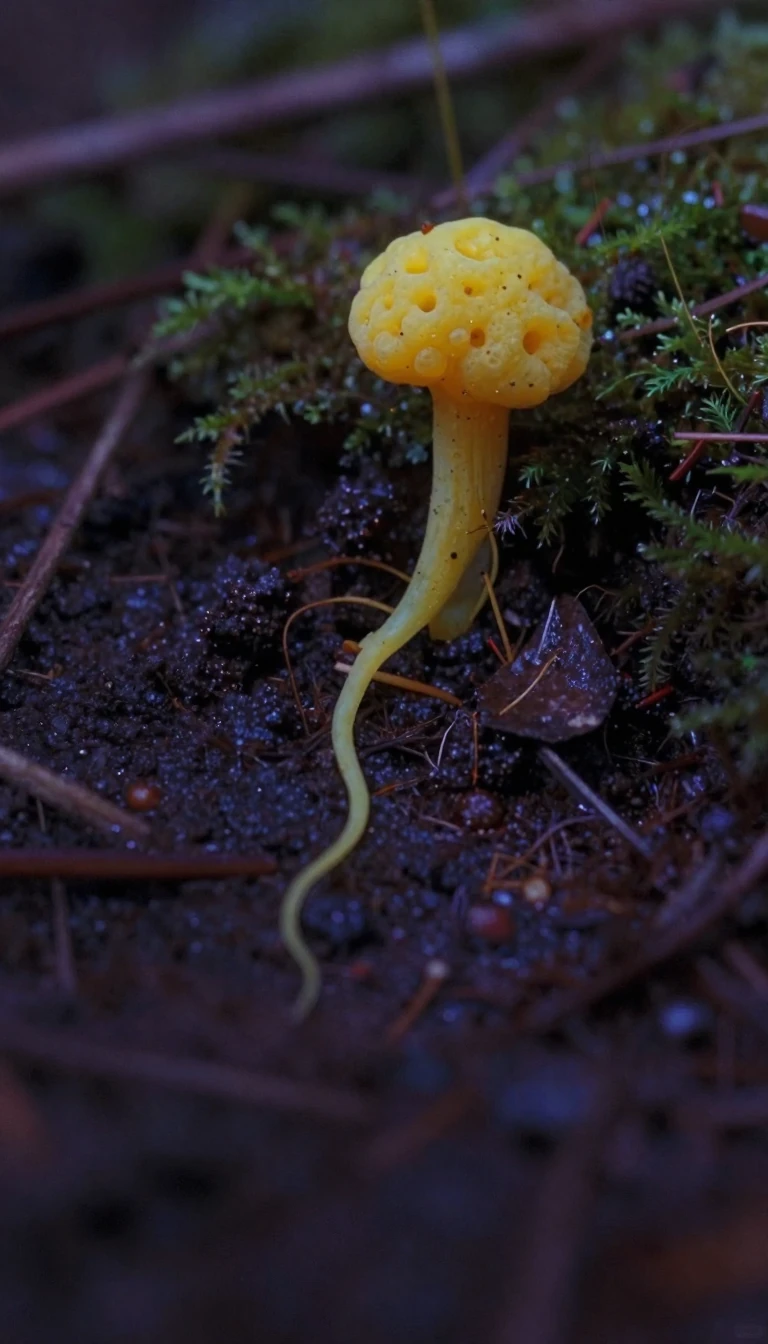
In short: Nature is full of lookalikes that defy simple classification. A species complex occurs when closely related organisms appear identical but are genetically distinct. These groups often mask hidden biodiversity, complicating everything from conservation efforts to pest control, as what we once thought was one species may actually be many.
A species complex describes a group of organisms so similar in appearance that their boundaries remain unclear. While often monophyletic—meaning they share a common ancestor—these groups can arise through various evolutionary paths. Sometimes, they represent an early stage of speciation where populations have separated but not yet evolved distinct physical traits. In other instances, they result from morphological stasis, where species remain identical for millions of years, such as the Amazonian frog Pristimantis ockendeni, which diverged over 5 million years ago yet looks the same.
The identification of these complexes has been revolutionized by molecular phylogenetics and DNA barcoding. These tools reveal cryptic species—lineages that are genetically distinct but morphologically indistinguishable. This discovery is not merely academic; it has profound practical implications. For instance, in conservation, a species previously considered stable may actually consist of several smaller, threatened populations, as seen in the case of giraffes. Similarly, in disease and pest management, identifying cryptic species is vital. The Queensland fruit fly, Bactrocera tryoni, is indistinguishable from its sister species, yet only B. tryoni causes devastating damage to Australian fruit crops.
The mechanisms behind these complexes are diverse. Hybridization can blur boundaries through reticulate evolution, while adaptive radiation—the process where a single species colonizes a new area and fills multiple ecological niches—can create a species flock. Conversely, stabilizing selection may force different species to maintain a similar appearance to survive in specific environments. Ultimately, the existence of these complexes suggests that our traditional reliance on physical appearance to define species has led to a significant underestimation of global biodiversity, requiring a more rigorous, genetic approach to understand the true structure of life.
Opens the Intellect+ feed with this card first. Swipe up for the next one.
Sources
- Summary by Intellect · source: Species complex
To cite this card, link to https://intellectplus.co.uk/app/nature-species-complex.
How we source, check and correct cards: Editorial standards.
General information, not professional advice. Spotted an error? Flag the card or see corrections and complaints.
Intellect Plus is a visual educational discovery platform for exploring fascinating facts and ideas. Brain Food, Not Brain Rot. What is Intellect Plus?
Related
More in Organisms · More in Nature · Latest · A–Z · All topics
