How scientists officially name the world's hidden inhabitants
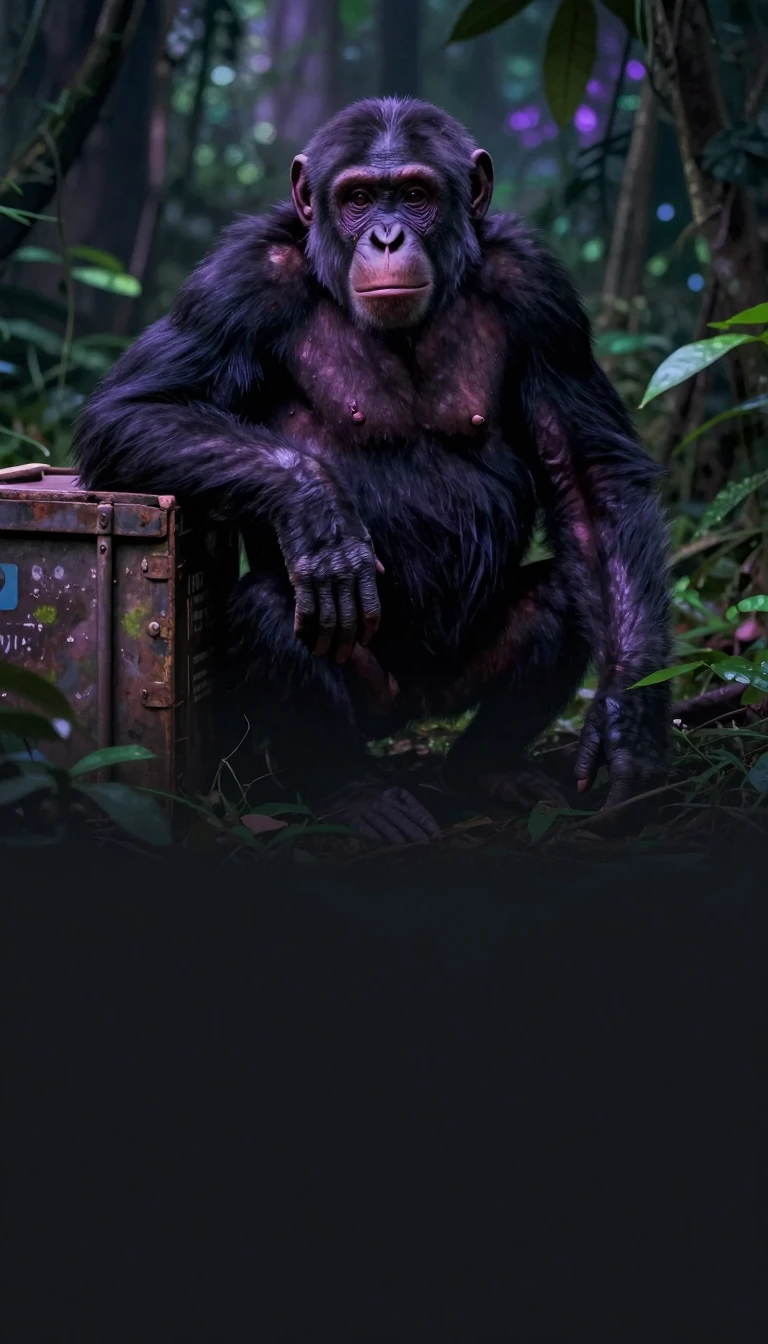
In short: Out of an estimated 8.7 million species on Earth, we have only formally described about 1.9 million. The process of naming a new organism is far more than just a creative exercise; it is a rigorous legalistic procedure governed by international codes to ensure scientific clarity.
A species description is a formal scientific publication that distinguishes a newly discovered organism from its relatives. To be considered valid, these descriptions must adhere to strict nomenclature codes, such as the International Code of Zoological Nomenclature (ICZN) for animals, or the ICN for plants, algae, and fungi. This process involves selecting at least one type specimen and often includes detailed illustrations or photographs of the material, which is then deposited in a permanent repository.
Naming conventions are often driven by physical traits, geography, or even celebrity culture. While many names are Latinized versions of various languages, they can also be 'eponyms'—names dedicated to people. This ranges from honoring Queen Victoria to naming a lemur after John Cleese. Some names even serve as fundraising tools; the German organization BIOPAT has used species sponsorship to raise over $450,000 for conservation, including the naming of a monkey after a $650,000 donation to a Bolivian national park in 2005.
The history of cataloging life is ancient, stretching from Aristotle’s 'History of Animals' around 343 BC to Pliny the Elder’s 'Natural History' in 77 AD. While early works often included mythological creatures like the manticore, the modern era of standardized taxonomy began with Carl Linnaeus and his 1735 'Systema Naturae'. Today, the volume of descriptions is at an all-time peak, though the practice of describing species without voucher specimens remains a point of scientific controversy.
Opens the Intellect+ feed with this card first. Swipe up for the next one.
Sources
- Summary by Intellect · source: Species description
To cite this card, link to https://intellectplus.co.uk/app/nature-species-description.
How we source, check and correct cards: Editorial standards.
General information, not professional advice. Spotted an error? Flag the card or see corrections and complaints.
Intellect Plus is a visual educational discovery platform for exploring fascinating facts and ideas. Brain Food, Not Brain Rot. What is Intellect Plus?
Related
More in Organisms · More in Nature · Latest · A–Z · All topics
