The Sphynx cat is not truly hairless, but a product of a genetic mutation.
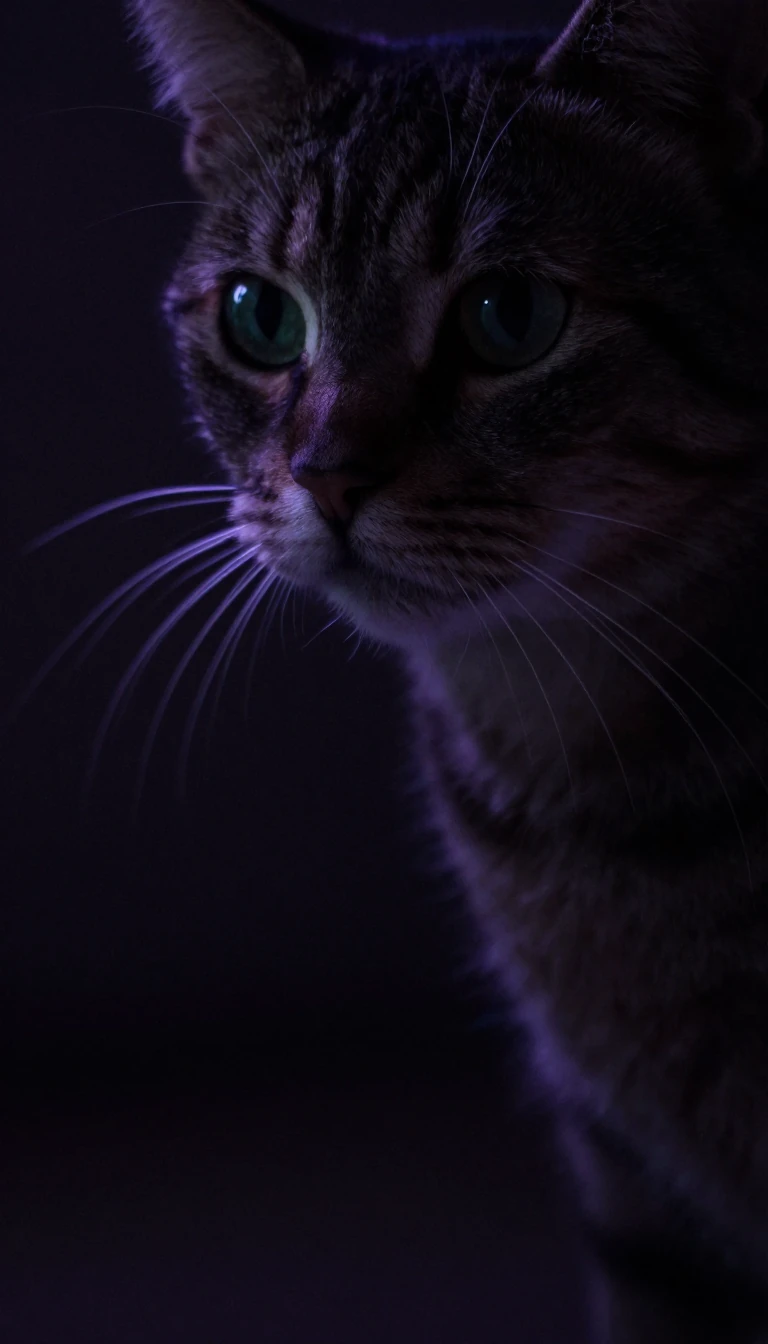
In short: Often mistaken for a completely bald feline, the Sphynx is actually covered in fine down or chamois-like skin. This distinctive appearance stems from a specific mutation in the KRT71 gene, which prevents hair from anchoring firmly. Beyond their unique look, these cats are known for their affectionate, dog-like personalities.
The development of the modern Sphynx began in 1966 in Toronto, Canada, following the birth of a hairless kitten named Prune. Early breeding efforts faced significant hurdles, including concerns over fertility that led the Cat Fanciers' Association to revoke the breed's provisional status in 1971. The current breed foundation relies on two distinct lines of natural mutations: the Pearson family's barn cats from Minnesota, discovered in the mid-1970s, and a group of stray cats found in Toronto in 1978.
At the molecular level, the Sphynx's hairlessness is caused by the 'hr' mutation in the KRT71 gene. This gene is vital for keratinizing hair follicles; in the Sphynx, it results in a complete loss of function, leaving hair fragile and loosely attached. This mutation is part of an allelic series shared with other breeds like the Devon Rex. Because they lack a protective coat, Sphynx cats lose body heat rapidly, requiring them to seek warmth and occasionally wear clothing in colder climates.
The breed's unique physiology necessitates specialized care. Without fur to absorb natural oils, Sphynx cats produce greasy secretions and excess earwax, requiring frequent cleaning to prevent buildup. They are also prone to specific health issues, most notably heart conditions. A 2012 study of 114 Sphynx cats revealed that 34% had abnormal hearts, including cases of hypertrophic cardiomyopathy and mitral valve dysplasia. Consequently, breeders often recommend annual echocardiograms to monitor cardiovascular health.
Despite their appearance, Sphynx cats are not hypoallergenic. Allergies are triggered by the Fel d1 protein found in saliva and sebaceous glands, meaning contact can still provoke reactions in sensitive individuals. Furthermore, their lack of fur leaves them vulnerable to sunburn and skin damage, necessitating protection from prolonged sun exposure. While they are celebrated for their extroverted and affectionate nature, owners must be diligent in managing their specific hygiene and health requirements.
Opens the Intellect+ feed with this card first. Swipe up for the next one.
Sources
- Summary by Intellect · source: Sphynx cat
To cite this card, link to https://intellectplus.co.uk/app/nature-sphynx-cat.
How we source, check and correct cards: Editorial standards.
General information, not professional advice. Spotted an error? Flag the card or see corrections and complaints.
Intellect Plus is a visual educational discovery platform for exploring fascinating facts and ideas. Brain Food, Not Brain Rot. What is Intellect Plus?
Related
More in Animal breeds and hybrids · More in Nature · Latest · A–Z · All topics
