Why did Earth spend 57 million years trapped in a deep-freeze snowball state?
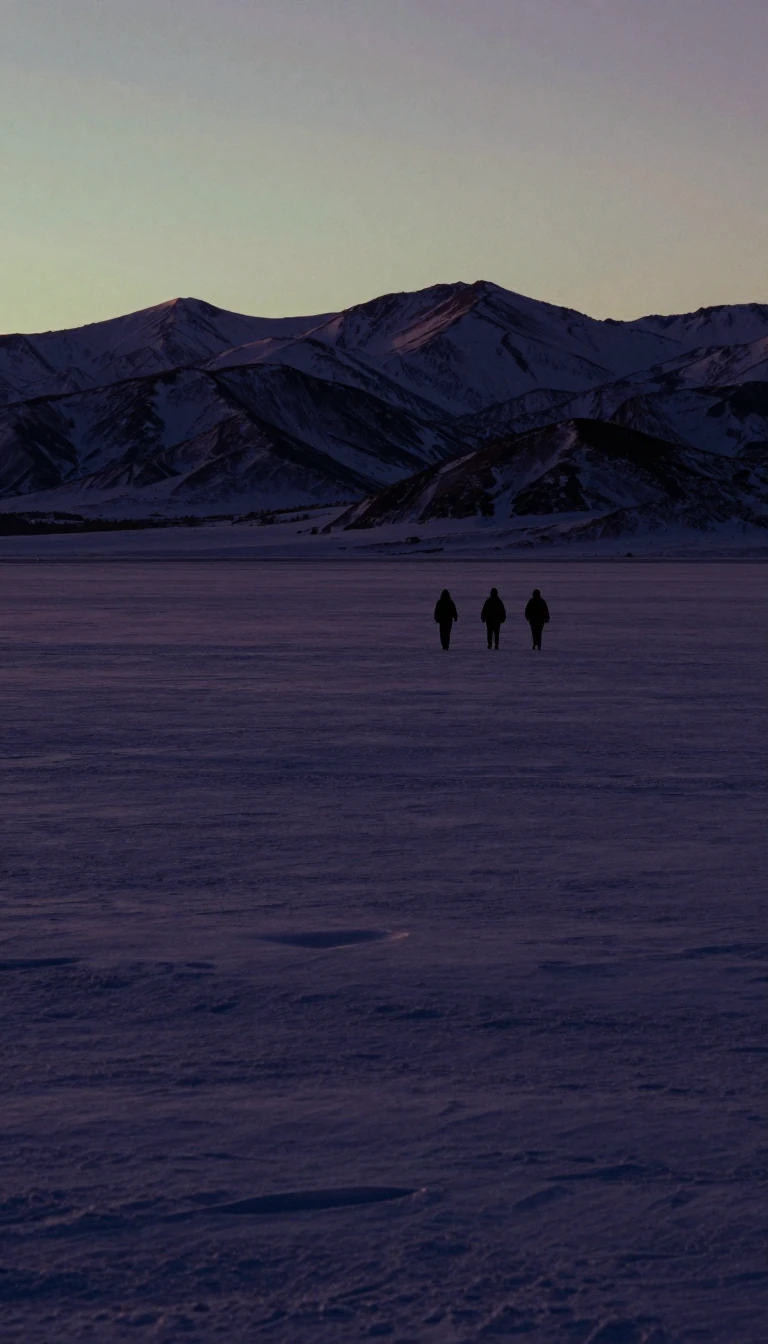
In short: Seven hundred million years ago, Earth was blanketed in ice from pole to equator. New research suggests this extreme climate was triggered by a perfect storm: a dramatic drop in volcanic carbon dioxide emissions combined with the rapid weathering of massive volcanic rock formations that sucked carbon from the atmosphere.
The Sturtian glaciation, which lasted from 717 to 660 million years ago, remains one of the most severe climate events in Earth's history. Occurring long before the rise of complex land plants or animals, this period saw global temperatures plummet as the planet entered a 'Snowball Earth' state. For decades, the exact cause of this deep freeze and its extraordinary 57-million-year duration was a mystery to geoscientists.
Recent plate tectonic modelling by researchers at the University of Sydney and the University of Adelaide has provided a compelling explanation. Following the breakup of the ancient supercontinent Rodinia, plate movements shifted, leading to a significant reduction in volcanic activity along mid-ocean ridges. Because these ridges are primary sources of carbon dioxide degassing, their reduced activity caused atmospheric CO2 levels to drop below 200 parts per million—less than half of today's concentrations.
This cooling was compounded by a 'double whammy' involving a large volcanic province in what is now Canada. As these rocks eroded, they acted as a massive carbon sink, further stripping CO2 from the atmosphere. With no multicellular life to regulate the greenhouse effect, geology alone dictated the climate. The result was a self-reinforcing cycle of glaciation that persisted until tectonic shifts eventually restored volcanic carbon output.
This study highlights the extreme sensitivity of Earth's climate to atmospheric carbon. While the current human-induced climate change is occurring at a pace ten times faster than these historical shifts, the research offers a sobering perspective on our planet's long-term future. As continental collisions continue to slow plate movement, Earth may eventually follow a trajectory toward lower volcanic emissions once again, potentially leading to another global ice age in the distant future.
Opens the Intellect+ feed with this card first. Swipe up for the next one.
Sources
- Summary by Intellect · source: What turned Earth into a giant snowball 700 million years ago? Scientists now have an answer
- Also: Sturtian glaciation
To cite this card, link to https://intellectplus.co.uk/app/nature-sturtian-glaciation.
How we source, check and correct cards: Editorial standards.
General information, not professional advice. Spotted an error? Flag the card or see corrections and complaints.
Intellect Plus is a visual educational discovery platform for exploring fascinating facts and ideas. Brain Food, Not Brain Rot. What is Intellect Plus?
Related
More in Geology · More in Nature · Latest · A–Z · All topics
