Subduction is the engine of Earth, recycling our planet's crust into its fiery interior.
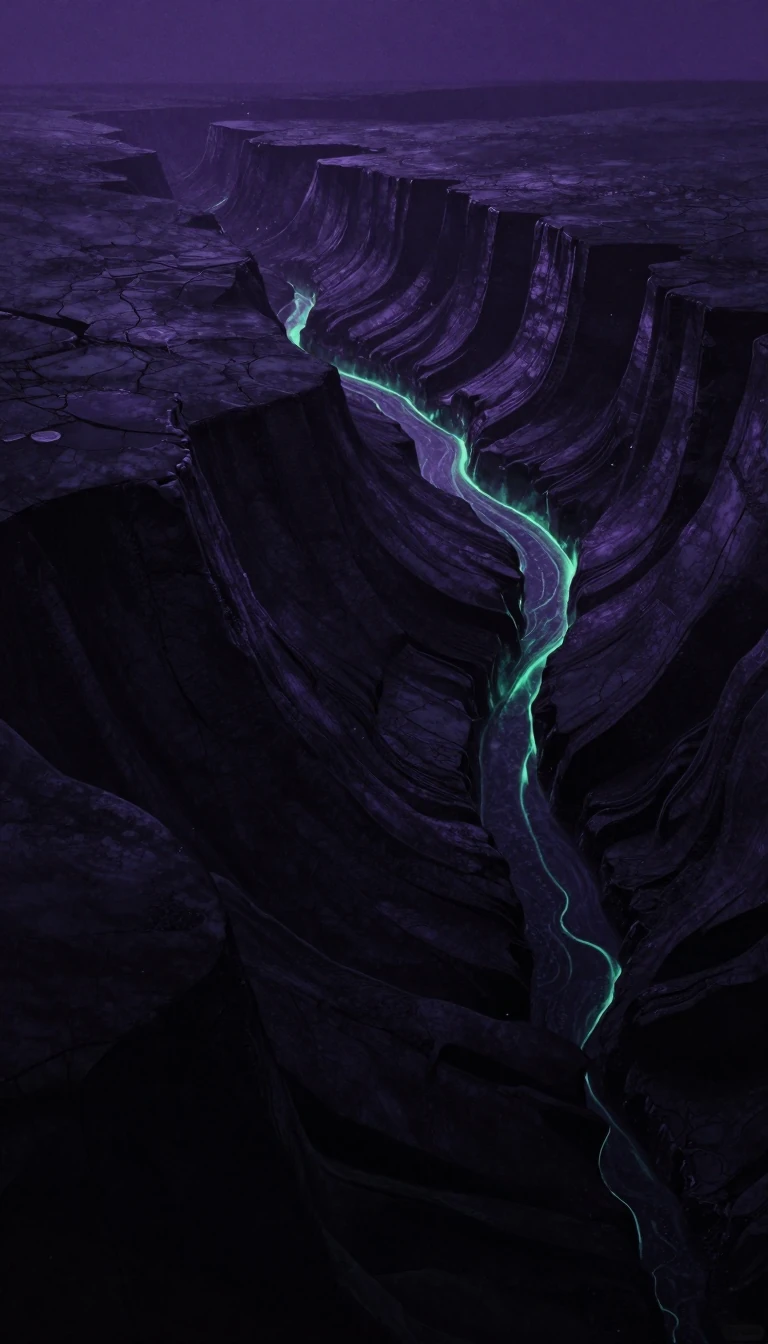
In short: Subduction is the geological process where heavy oceanic plates dive beneath others, sinking into the mantle. This recycling mechanism drives plate tectonics, creates most of our continental crust, and triggers the world's most violent volcanic eruptions and mega-earthquakes. It is a fundamental, planet-shaping force unique to Earth.
Subduction occurs at convergent boundaries where cold, dense oceanic lithosphere sinks into the hot, ductile asthenosphere. Driven by negative buoyancy, the slab descends at angles typically between 25 and 75 degrees. As it sinks, it carries water trapped in hydrous minerals deep into the Earth. At depths of about 100 kilometers, these minerals break down, releasing fluids that lower the melting point of the surrounding mantle. This process, known as flux melting, generates magma that rises to form volcanic arcs, such as the Cascades or the Andes.
The geometry of this descent dictates the surface landscape. Shallow-angle or flat-slab subduction, where the plate moves nearly horizontally for hundreds of kilometers, can cause crustal thickening and mountain building far inland, as seen in the Laramide Orogeny of the American Rockies. Conversely, steep-angle subduction is often associated with back-arc extension, pulling crustal fragments apart to create marginal seas. These zones are also the site of the planet's most powerful seismic events, known as megathrust earthquakes, which occur when elastic strain is released along the subduction interface.
Beyond the surface, subduction acts as a planetary recycling system. Seismic tomography reveals that some slabs penetrate deep into the mantle, occasionally reaching the core-mantle boundary nearly 2,900 kilometers below the surface. These slabs decelerate as they descend, often folding or stacking at mantle discontinuities. Eventually, they heat up and may return to the surface as mantle plumes, completing a cycle that has shaped Earth's crust for millions of years. Without this continuous sinking and recycling, plate tectonics—and the geological character of our world—could not exist.
Opens the Intellect+ feed with this card first. Swipe up for the next one.
Sources
- Summary by Intellect · source: Subduction
To cite this card, link to https://intellectplus.co.uk/app/nature-subduction.
How we source, check and correct cards: Editorial standards.
General information, not professional advice. Spotted an error? Flag the card or see corrections and complaints.
Intellect Plus is a visual educational discovery platform for exploring fascinating facts and ideas. Brain Food, Not Brain Rot. What is Intellect Plus?
Related
More in Physical geography · More in Nature · Latest · A–Z · All topics
