The upper mantle is a vast, malleable engine driving the movement of our continents.
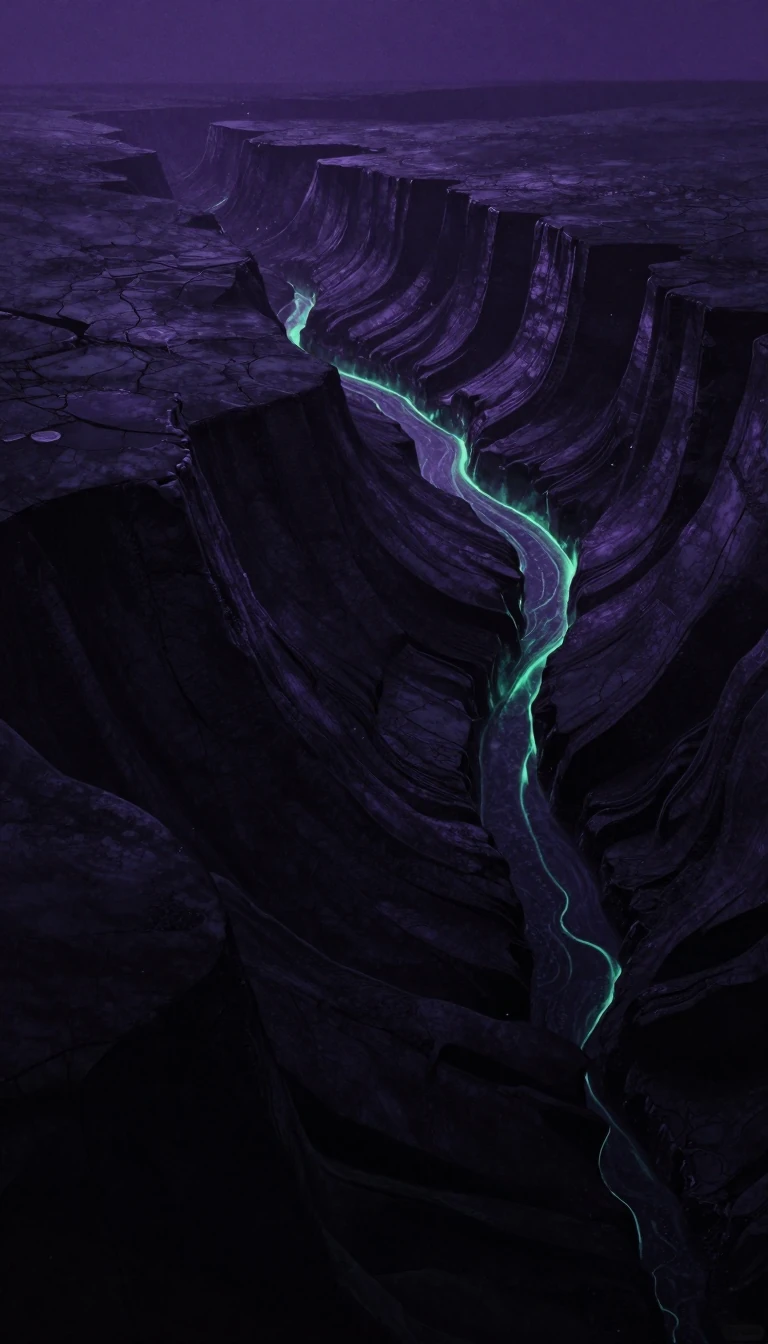
In short: Beneath the thin crust of our planet lies a massive, hot layer of rock that behaves like a fluid over geological time. This upper mantle is the primary engine of plate tectonics, generating the currents that shift continents, trigger earthquakes, and fuel the volcanic activity that creates new surface crust.
The upper mantle is a thick, complex region extending from the base of the crust down to approximately 670 km below the surface. It is separated from the crust by the Mohorovičić discontinuity, or Moho, a boundary marked by a sudden increase in seismic wave velocity. While the temperatures within this layer reach up to 1,200 K, the material remains almost entirely solid. The immense lithostatic pressure prevents melting by raising the solidus—the temperature at which rock begins to liquefy—far above the ambient heat.
Despite its solid state, the upper mantle is capable of permanent plastic deformation, behaving like a viscous fluid over long timescales. This malleability is essential for convection currents, which are believed to drive the movement of tectonic plates. As these currents circulate, they stress the overlying lithosphere, acting as a source for earthquakes. Furthermore, the upper mantle is a critical site for the generation of basaltic magmas, which rise through volcanic vents and spreading centers to form new crust.
The composition of this layer is rich in minerals such as olivine and pyroxene. As depth increases, the rising pressure forces these minerals to rearrange into denser crystal structures. A notable transition zone exists between 410 km and 670 km, where phase changes—such as the transformation of olivine into wadsleyite—occur. These transitions are temperature and density-dependent, influencing the geodynamical models that explain how Earth’s interior functions. By concentrating specific elements, the upper mantle also plays a vital role in the formation of ore deposits near the surface.
Opens the Intellect+ feed with this card first. Swipe up for the next one.
Sources
- Summary by Intellect · source: Upper mantle | Earth science | Britannica
- Also: Upper mantle
To cite this card, link to https://intellectplus.co.uk/app/nature-upper-mantle.
How we source, check and correct cards: Editorial standards.
General information, not professional advice. Spotted an error? Flag the card or see corrections and complaints.
Intellect Plus is a visual educational discovery platform for exploring fascinating facts and ideas. Brain Food, Not Brain Rot. What is Intellect Plus?
Related
More in Geology · More in Nature · Latest · A–Z · All topics
