The massive slabs of rock sinking into our planet drive the tectonic engine
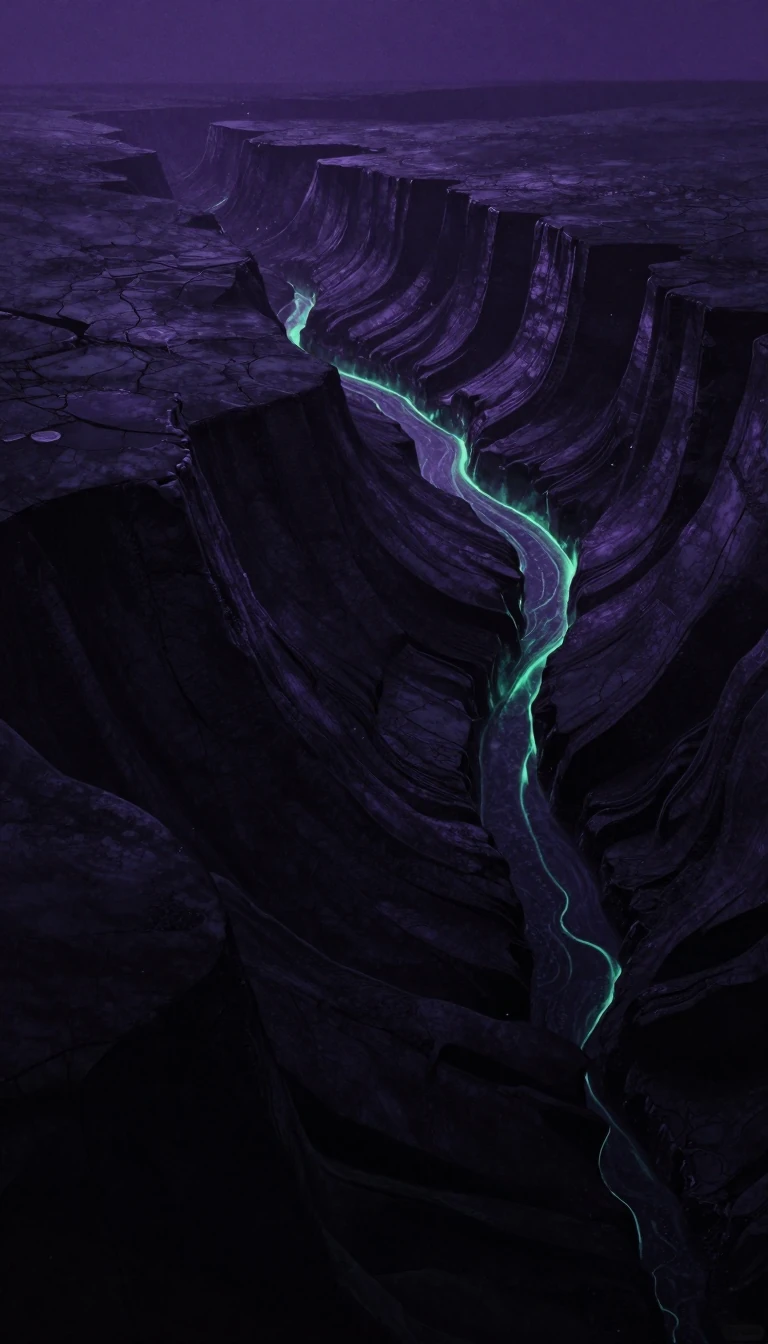
In short: Deep beneath the surface, massive sections of oceanic crust are constantly diving into the Earth's mantle. These sinking slabs are not just passive debris; they are the primary engines of plate tectonics, pulling entire continents along with them and reshaping the very surface of the world we inhabit today.
In the complex machinery of plate tectonics, a slab is the portion of a lithospheric plate that bends downward at a convergent boundary to descend into the mantle. While oceanic lithosphere is the primary material that subducts, continental lithosphere can also be drawn down toward the end of this process, just before a major continental collision occurs. These slabs are dynamic structures that dictate the evolution of the Earth's mantle by introducing hydrous material, which triggers flux melting and generates the volcanic activity seen at active continental margins.
The movement of these slabs is a fundamental force. Through a mechanism known as slab pull, the weight of the descending plate drags the rest of the lithosphere behind it, while slab suction induces currents within the mantle. This process is not uniform; slab behavior varies significantly based on temperature and geometry. For instance, flat-slab subduction—defined by an angle of less than 30 degrees—is observed in regions like the western United States and southern China. Conversely, the Marianas Trench features a steep, deep slab that creates the world's deepest oceanic trench.
These geological features are constantly evolving, leading to phenomena like slab detachment or breakoff, which occurs when oceanic and continental lithosphere collide, as seen in the Himalayan subduction zone. Scientists track these processes using seismic imaging to observe how slabs move through the mantle, sometimes stagnating in areas known as slab graveyards or creating gaps called slab windows. Ultimately, the motion of these slabs exerts a profound influence on the surface, causing dynamic uplift and subsidence that can rearrange drainage patterns and create shallow seaways across the globe.
Opens the Intellect+ feed with this card first. Swipe up for the next one.
Sources
- Summary by Intellect · source: Slab (geology)
To cite this card, link to https://intellectplus.co.uk/app/nature-slab-geology.
How we source, check and correct cards: Editorial standards.
General information, not professional advice. Spotted an error? Flag the card or see corrections and complaints.
Intellect Plus is a visual educational discovery platform for exploring fascinating facts and ideas. Brain Food, Not Brain Rot. What is Intellect Plus?
Related
More in Geology · More in Nature · Latest · A–Z · All topics
