Are these glassy pebbles from space actually just melted pieces of Earth?
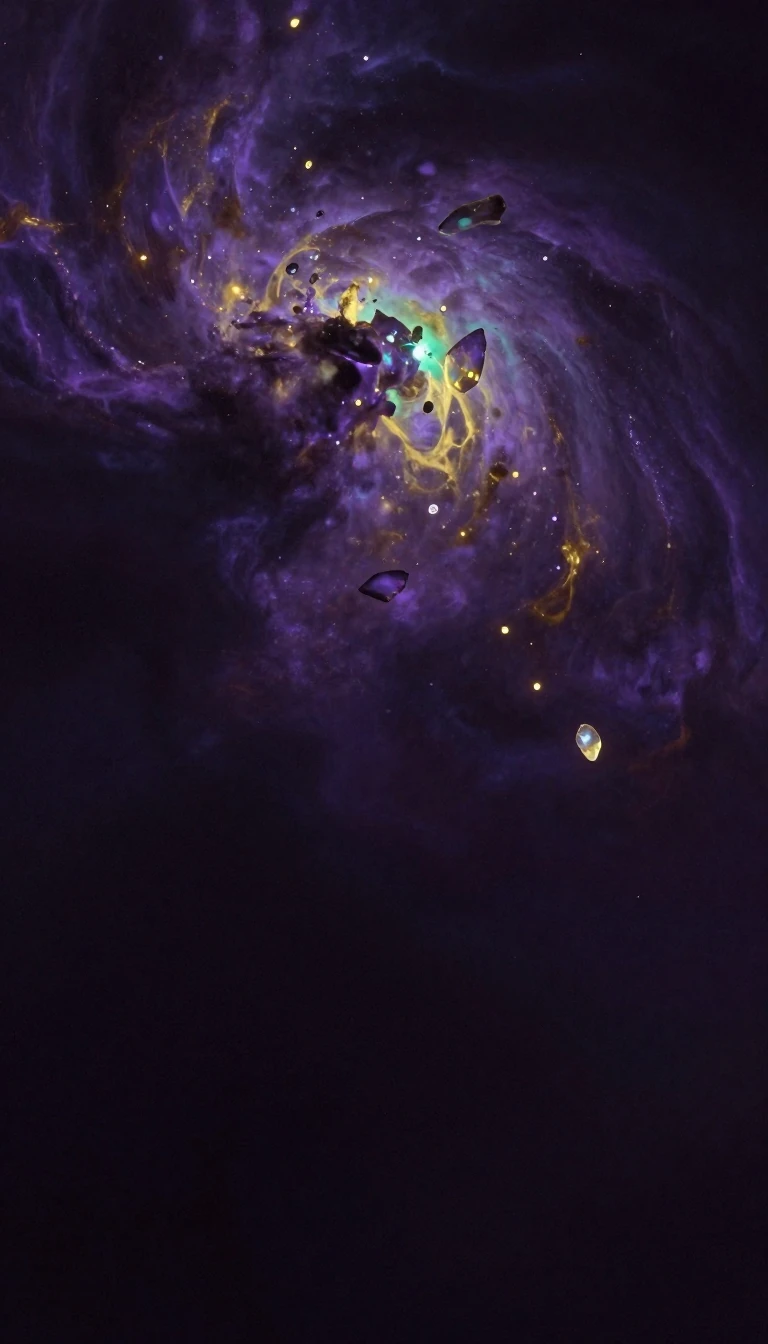
In short: Tektites look like extraterrestrial debris, but they are terrestrial rocks vaporized by massive meteorite impacts. These molten droplets were blasted into the atmosphere, cooled into glass, and rained back down across vast regions. They are not meteorites themselves, but rather Earth's own crust transformed by high-energy cosmic collisions.
Tektites are small, natural glassy objects found in specific geographic areas known as strewn-fields. The term originates from the Greek word tēktos, meaning molten. For much of the 20th century, their origins were debated, with some scientists suspecting they were extraterrestrial. Today, it is recognized that they form when the intense heat and pressure of a large meteorite, comet, or asteroid impact vaporize terrestrial rocks. This process creates clouds of molten silicate droplets that cool rapidly into glass before returning to the surface.
These objects are chemically distinct from volcanic glasses like obsidian. They contain virtually no water, which prevents them from foaming when heated to their melting point, and they lack the small crystals known as microlites. Their composition is rich in silica, lime, magnesia, and iron. They range in size from tiny microtektites of less than 2 mm to larger, chunky Muong-Nong types that can reach decimetre sizes. Their shapes vary widely, including spheres, teardrops, dumbbells, and disks, often reflecting the aerodynamic forces experienced during their flight through the atmosphere.
Four major strewn-fields have been identified globally. The North American field dates to 35.4 million years ago, while the Czech Republic field, home to the green-hued moldavites, is 14.6 million years old. The Ivory Coast field is approximately 1.3 million years old, and the Australasian field—the largest and youngest—is about 0.8 million years old. While most fields are linked to specific impact craters, the source crater for the vast Australasian field remains a subject of ongoing scientific investigation, with some researchers proposing a site in Cambodia.
Opens the Intellect+ feed with this card first. Swipe up for the next one.
Sources
- Summary by Intellect · source: Tektite | Properties, Distribution, & Facts | Britannica
- Also: Tektite
To cite this card, link to https://intellectplus.co.uk/app/nature-tektite.
How we source, check and correct cards: Editorial standards.
General information, not professional advice. Spotted an error? Flag the card or see corrections and complaints.
Intellect Plus is a visual educational discovery platform for exploring fascinating facts and ideas. Brain Food, Not Brain Rot. What is Intellect Plus?
Related
More in Earth science · More in Nature · Latest · A–Z · All topics
