Beneath New Zealand's Lake Taupō lies a supervolcano capable of world-altering, violent eruptions.
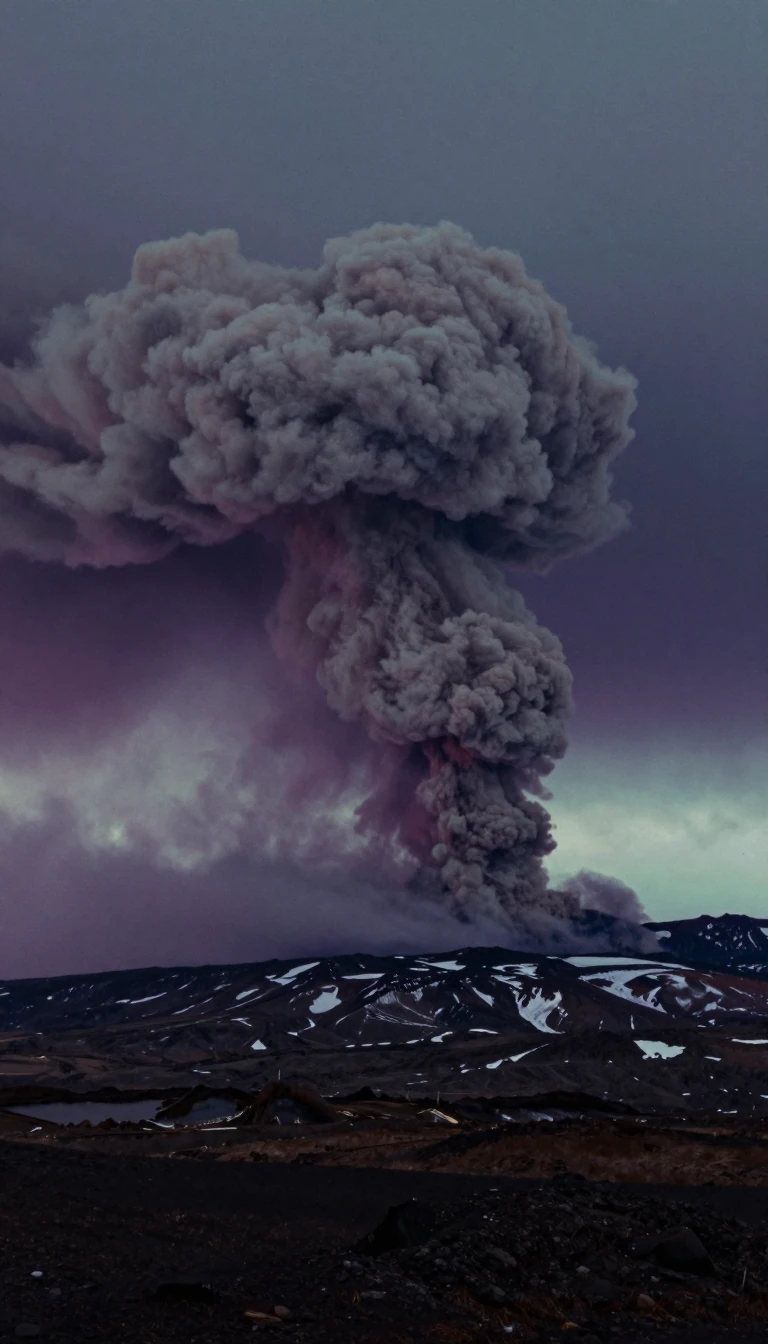
In short: Lake Taupō is not just a scenic destination; it is the caldera of a massive rhyolitic supervolcano. While it has been quiet for roughly 1,800 years, modern monitoring reveals ongoing seismic unrest. This hidden giant has shaped the landscape through some of the most powerful volcanic events in human history.
The Taupō Volcano, situated in the North Island of New Zealand, is a rhyolitic supervolcano that has been active for approximately 300,000 years. Its current form is defined by a massive caldera, largely shaped by the Oruanui eruption about 25,500 years ago. This specific event stands as the most significant volcanic eruption documented globally within the last 70,000 years, releasing vast quantities of magma and covering much of the central North Island in thick layers of ignimbrite. The resulting landscape changes were so profound that they forced the Waikato River to alter its path toward the Tasman Sea.
The most recent major event, the Hatepe eruption, occurred around 232 CE. It remains the most powerful eruption recorded worldwide over the last 5,000 years, with an estimated energy release of 150 ± 50 megatons of TNT. The eruption unfolded in several stages, culminating in a devastating pyroclastic flow that reached speeds of up to 900 km/h. This flow was so intense that it overtopped nearby mountain ranges, including the Kaimanawa Ranges, and flattened all vegetation in its path. The eruption also caused the lake level to rise 35 meters, eventually triggering a massive flood.
Today, the volcano remains active, with a magma reservoir estimated at over 250 cubic kilometers. Since 1872, there have been seventeen recorded episodes of volcanic unrest, characterized by seismic swarms and ground deformation. The most recent period of heightened activity began in May 2022, leading authorities to raise the Volcanic Alert Level to 1. While the volcano is capable of extreme violence, most eruptions in the last 30,000 years have been smaller, often involving the formation of lava domes. Monitoring this submerged giant is complex, and GNS Science continues to track its internal instability using seismographs and GPS stations.
Opens the Intellect+ feed with this card first. Swipe up for the next one.
Sources
- Summary by Intellect · source: Taupō Volcano
To cite this card, link to https://intellectplus.co.uk/app/nature-taup-volcano.
How we source, check and correct cards: Editorial standards.
General information, not professional advice. Spotted an error? Flag the card or see corrections and complaints.
Intellect Plus is a visual educational discovery platform for exploring fascinating facts and ideas. Brain Food, Not Brain Rot. What is Intellect Plus?
Related
More in Earth science · More in Nature · Latest · A–Z · All topics
