The Archer short-legged rhino was a terrestrial giant, not a swamp-dwelling hippo lookalike.
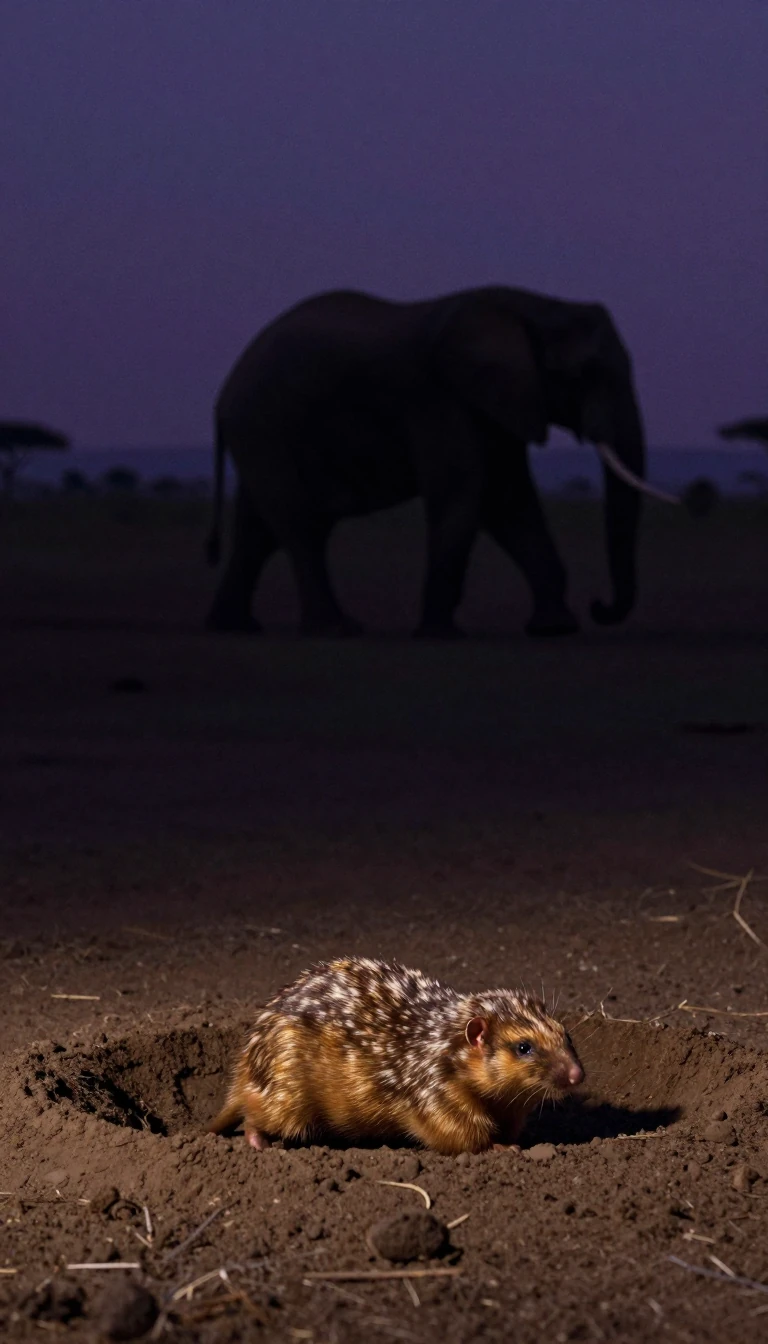
In short: With its barrel-shaped chest and stubby limbs, the extinct Teleoceras proterum looks like a prehistoric hippopotamus. Yet, despite this uncanny physical resemblance, scientific consensus suggests this rhinoceros lived firmly on land. Discover why this Florida-endemic creature remains a masterclass in evolutionary convergence and the surprising reality of its ancient life.
Teleoceras proterum, commonly known as the Archer short-legged rhino, was a common inhabitant of Florida during the late Miocene epoch, roughly 9.5 to 8 million years ago. While its anatomy—characterized by short limbs and a massive, barrel-shaped rib cage—invites immediate comparison to the modern hippopotamus, researchers have largely moved away from the idea that it was an amphibious creature. Instead, current evidence points toward a terrestrial lifestyle for this endemic species.
The species is defined by its distinct size and skeletal features. It was smaller than its relative Teleoceras fossiger, which inhabited a wide range across the American West, including Nebraska and Texas. Teleoceras proterum is distinguished by its more robust limb bones and specific dental characteristics, such as higher-crowned, more complex teeth that suggest a specialized diet. Males and females exhibited sexual dimorphism, with males possessing significantly larger lower incisors, or tusks, which likely played a role in social interactions or competition.
Thousands of fossils have been recovered from Florida sites like the McGehee Farm and the Love Bone Bed, providing a rich record of the animal's existence. The Mixson’s Bone Bed in Levy County, where the species was first identified, yielded thousands of specimens representing at least 117 individuals. These findings allow paleontologists to study the species in detail, from its brachycephalic skull to its unique dental structure, which includes triangular upper third molars. By analyzing these remains, scientists have estimated an average body mass of 615 kg (1350 lbs) for the species, confirming its status as a significant, albeit smaller, member of the Teleoceras genus.
Opens the Intellect+ feed with this card first. Swipe up for the next one.
Sources
- Summary by Intellect · source: Teleoceras proterum
- Also: Teleoceras
To cite this card, link to https://intellectplus.co.uk/app/nature-teleoceras.
How we source, check and correct cards: Editorial standards.
General information, not professional advice. Spotted an error? Flag the card or see corrections and complaints.
Intellect Plus is a visual educational discovery platform for exploring fascinating facts and ideas. Brain Food, Not Brain Rot. What is Intellect Plus?
Related
More in Vertebrates · More in Nature · Latest · A–Z · All topics
