Why these ancient deer-like creatures grew bizarre horns on their noses
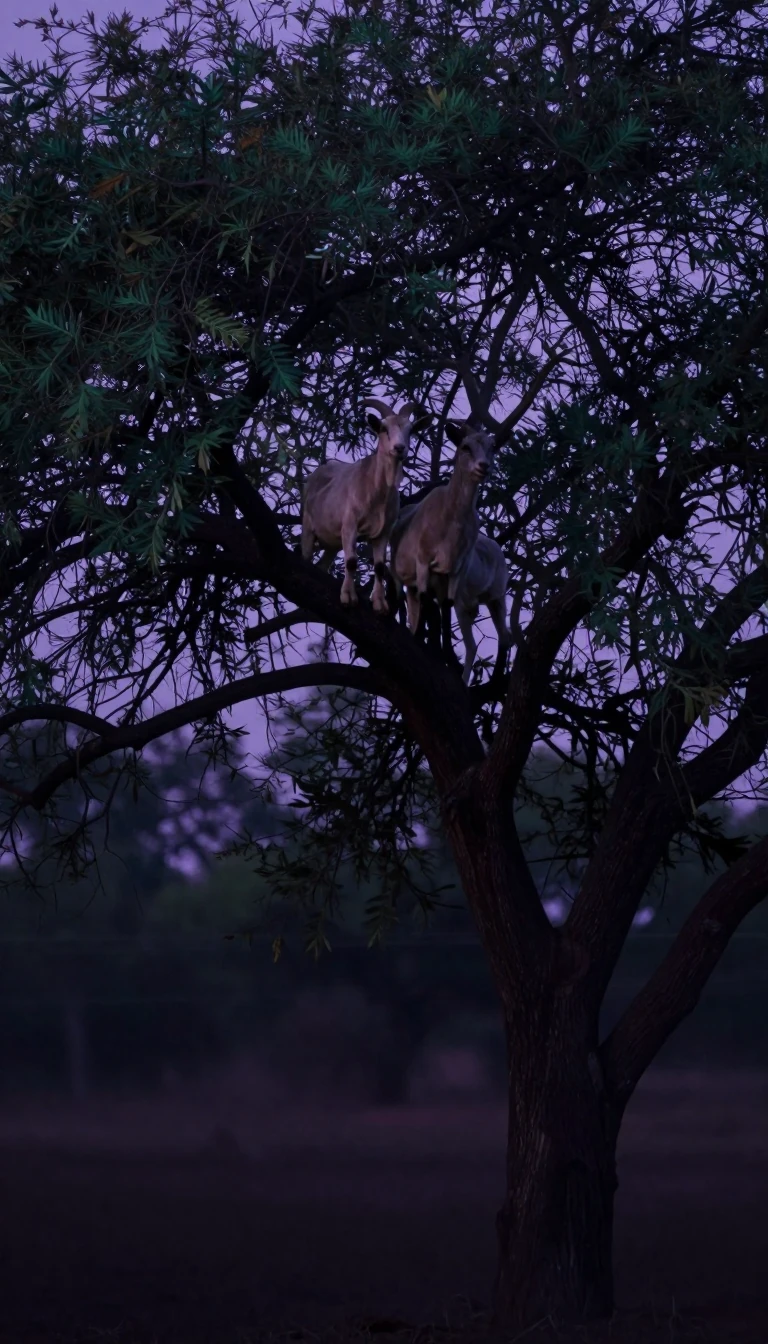
In short: Protoceratids were North American herbivores that roamed from the Eocene to the Pliocene. While they resembled modern deer, they were not closely related. Their most striking feature was elaborate cranial ornamentation, including unique horns positioned above their noses, which likely served as tools for sexual display and competitive sparring.
The Protoceratidae family, first identified by Othniel Charles Marsh in 1891, represents a fascinating branch of extinct artiodactyls. Ranging in size from that of a roe deer to an elk, these animals reached lengths of 1 to 2 meters. Despite their deer-like appearance, they lacked the cannon bones found in modern ungulates. Their biological classification has long been debated; while once linked to Ruminantia or Tylopoda, recent research suggests a potential relationship with chevrotains within the infraorder Tragulina.
The most distinctive aspect of these creatures was the sexual dimorphism displayed by males. While females were typically hornless or possessed only vestigial structures, males developed complex cranial features. Beyond traditional horn placements, they grew rostral horns directly above their noses. In genera such as Syndyoceras, these were paired, while in Synthetoceras, they were fused at the base before branching. These structures were likely covered in skin, similar to the ossicones of a modern giraffe, and served as critical assets for mating rituals and physical combat.
Beyond their anatomy, we can infer much about their lifestyle. Their dentition mirrors that of modern cattle and deer, indicating a diet of tough grasses, while their complex stomach structure suggests a digestive system akin to that of camels. Evidence indicates that at least some species within the family lived in social herds. Though they vanished by the Pliocene, their unique evolutionary path highlights the diverse ways ancient ungulates adapted to the North American landscape, utilizing both specialized digestion and elaborate physical displays to survive and compete for resources.
Opens the Intellect+ feed with this card first. Swipe up for the next one.
Sources
- Summary by Intellect · source: Protoceratidae
To cite this card, link to https://intellectplus.co.uk/app/nature-protoceratidae.
How we source, check and correct cards: Editorial standards.
General information, not professional advice. Spotted an error? Flag the card or see corrections and complaints.
Intellect Plus is a visual educational discovery platform for exploring fascinating facts and ideas. Brain Food, Not Brain Rot. What is Intellect Plus?
Related
More in Vertebrates · More in Nature · Latest · A–Z · All topics
