Why these spiders mimic flowers and scuttle like crustaceans to hunt their prey
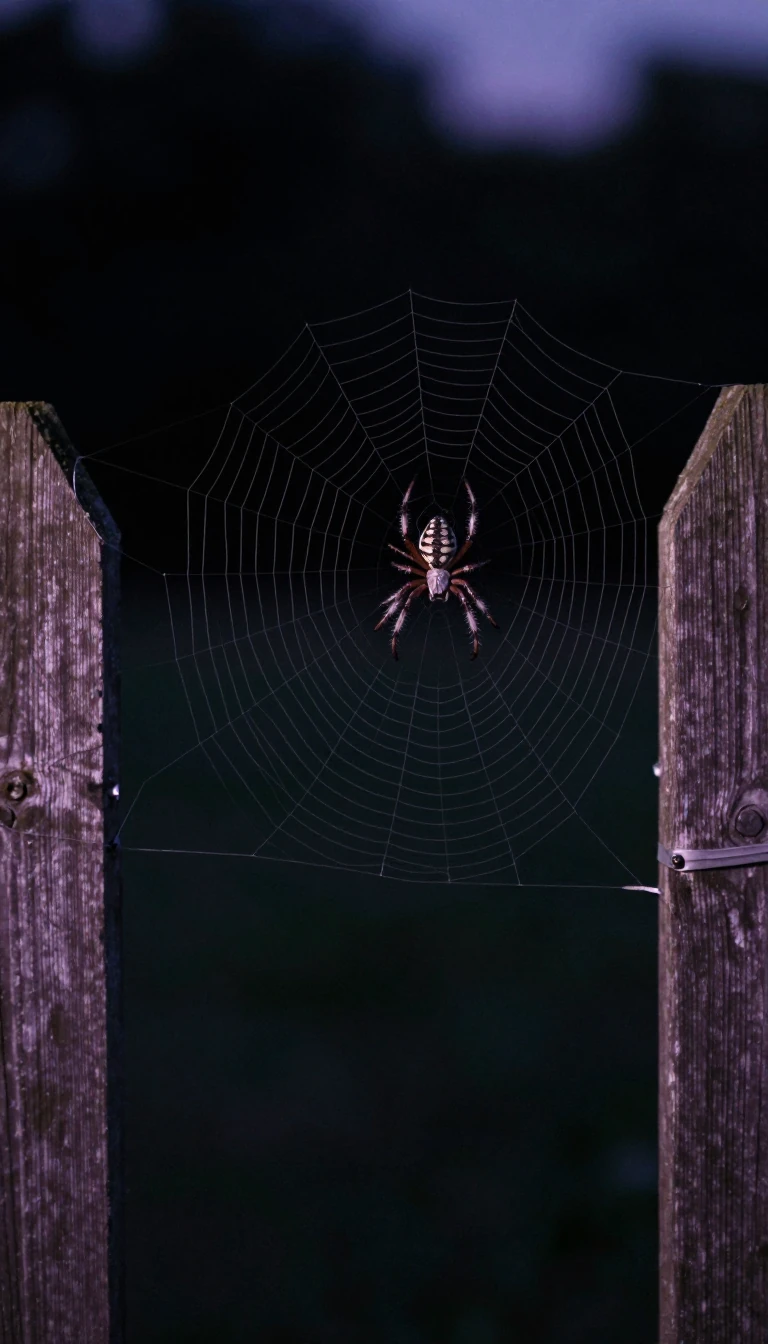
In short: The Thomisidae family, commonly known as crab spiders, are masters of ambush. Lacking webs, they rely on specialized anatomy and camouflage to snatch unsuspecting insects. From color-shifting hunters on flower petals to mimics disguised as bird droppings, these spiders demonstrate remarkable evolutionary strategies for survival and reproduction in the wild.
The Thomisidae family comprises over 2,100 species across 172 genera. Their common name stems from their crab-like appearance, characterized by two front pairs of legs that extend outward and an ability to move sideways or backward. Unlike many other arachnids, these spiders do not construct webs to capture food. Instead, they function as ambush predators, using their robust front legs to seize prey while delivering a paralyzing venomous bite. Their hunting grounds vary widely, ranging from flower petals and fruit to tree bark, leaf litter, and even open spaces where they mimic bird droppings to remain undetected.
A defining feature of many crab spiders is their ability to blend into their surroundings. Some species can adjust their body color over several days to match the specific flower they inhabit, while others possess duller, protective hues. This camouflage is essential for their survival, as it allows them to wait patiently for visiting insects like bees or butterflies. While they do not build webs, they still utilize silk for secondary tasks, such as creating drop lines or supporting reproductive activities.
Sexual size dimorphism is a prominent, though variable, trait within the family. In some instances, such as with Misumena vatia, females are approximately double the size of males. In more extreme cases, like Thomisus onustus, females can be over 60 times as massive as their male counterparts. Scientists debate the evolutionary drivers behind this disparity. The fecundity hypothesis suggests that larger females are favored because they can produce more eggs and healthier offspring. Conversely, the gravity hypothesis proposes that smaller males benefit from increased mobility, allowing them to locate mates more efficiently. Other researchers suggest these size differences may have emerged by chance without a specific selective advantage.
While the term crab spider is frequently applied to Thomisidae, it is also used for unrelated groups like the giant crab spiders of the Sparassidae family. Despite their predatory nature, Thomisidae are not considered a threat to humans. This stands in contrast to the distantly related Sicarius genus, which are sometimes called six-eyed crab spiders and possess potent venom, though human encounters with them remain rare.
Opens the Intellect+ feed with this card first. Swipe up for the next one.
Sources
- Summary by Intellect · source: Thomisidae
To cite this card, link to https://intellectplus.co.uk/app/nature-thomisidae.
How we source, check and correct cards: Editorial standards.
General information, not professional advice. Spotted an error? Flag the card or see corrections and complaints.
Intellect Plus is a visual educational discovery platform for exploring fascinating facts and ideas. Brain Food, Not Brain Rot. What is Intellect Plus?
Related
More in Arthropods · More in Nature · Latest · A–Z · All topics
