Why scientists are drilling into the world’s most unstable and remote Antarctic glacier
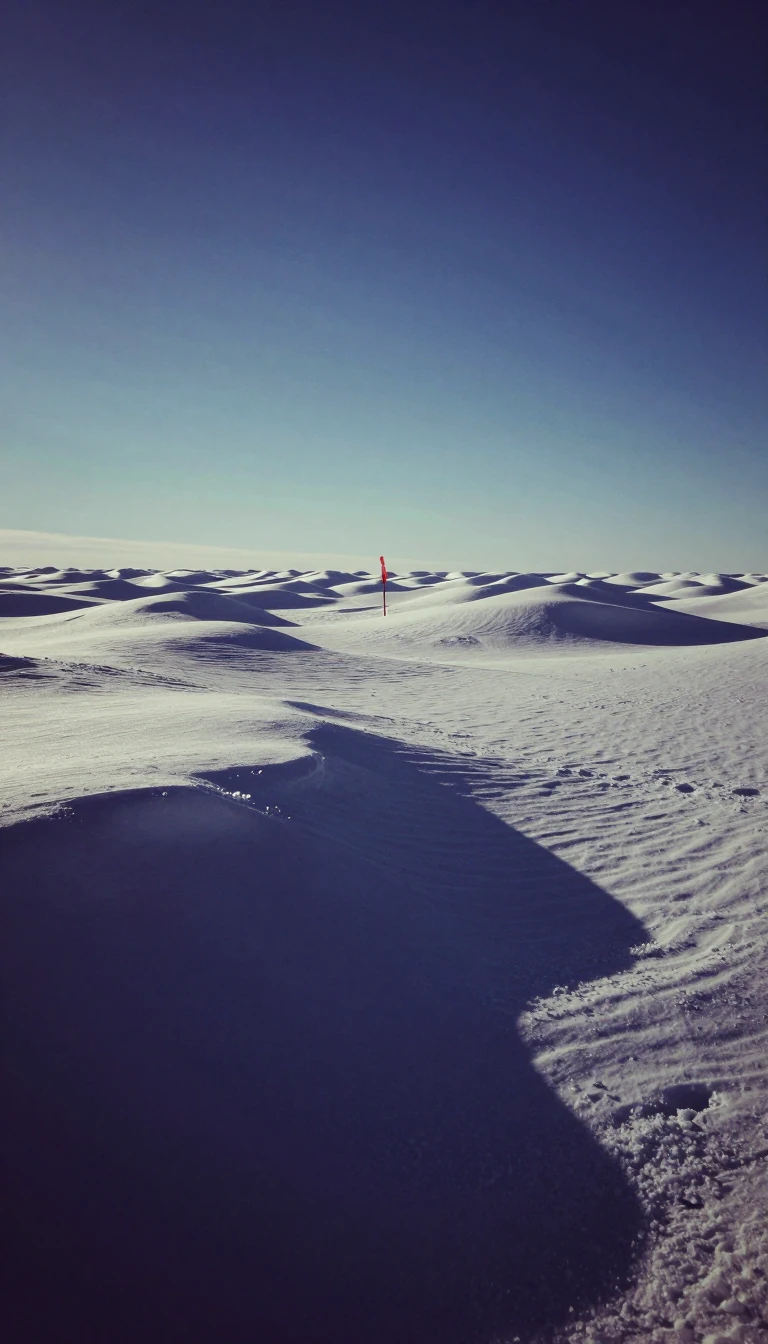
In short: Thwaites Glacier is a massive, rapidly changing ice formation in West Antarctica that holds the potential to significantly raise global sea levels. Researchers recently completed a daring mission to drill through its ice, seeking to understand the warm ocean currents that are melting the glacier from its base.
Often referred to as the Doomsday Glacier, Thwaites is a critical component of the West Antarctic Ice Sheet. Spanning 120 kilometres in width, it is the widest glacier on Earth. Its stability is vital because if it collapses, it could trigger the disintegration of the entire ice sheet, leading to substantial sea-level rise over the coming centuries. While the glacier currently contributes about 4% to global sea-level rise, this figure is expected to climb as the ice shelf bracing its eastern side weakens.
To better predict the future of this region, a joint team from the British Antarctic Survey and South Korea’s KOPRI recently executed an ambitious field operation. Using water heated to 80°C, the team drilled a 1,000-metre-deep borehole through the glacier’s main trunk. This allowed them to deploy sensors to capture the first direct observations of the turbulent, relatively warm ocean water interacting with the underside of the ice. These conditions are known to drive significant basal melting, yet they have historically been difficult to measure.
The mission faced extreme conditions, including high winds and the rapid movement of the glacier, which shifts by more than 9 metres per day. During the final phase, the team’s mooring system became trapped in the borehole due to shifting ice and refreezing. Although the instruments were lost, the short-term data collected remains scientifically invaluable. Researchers are already planning future campaigns, viewing the successful drilling as a technical breakthrough that confirms the site is the right place to study the mechanisms of ice loss.
The stakes remain high. While the glacier’s total collapse might only contribute a few centimetres to sea levels this century, its breakdown is expected to accelerate significantly in the 22nd and 23rd centuries. With the potential to eventually contribute 65 centimetres to global sea levels—more than double the total rise recorded to date—understanding the interaction between the ocean and the glacier's base is a top priority for climate science.
Opens the Intellect+ feed with this card first. Swipe up for the next one.
Sources
- Summary by Intellect · source: Update from Thwaites Glacier: when science doesn’t go your way - British Antarctic Survey
- Also: Thwaites Glacier
To cite this card, link to https://intellectplus.co.uk/app/nature-thwaites-glacier.
How we source, check and correct cards: Editorial standards.
General information, not professional advice. Spotted an error? Flag the card or see corrections and complaints.
Intellect Plus is a visual educational discovery platform for exploring fascinating facts and ideas. Brain Food, Not Brain Rot. What is Intellect Plus?
Related
More in Earth science · More in Nature · Latest · A–Z · All topics
