Antarctica is the world's largest desert, yet it holds 70 percent of Earth's freshwater.
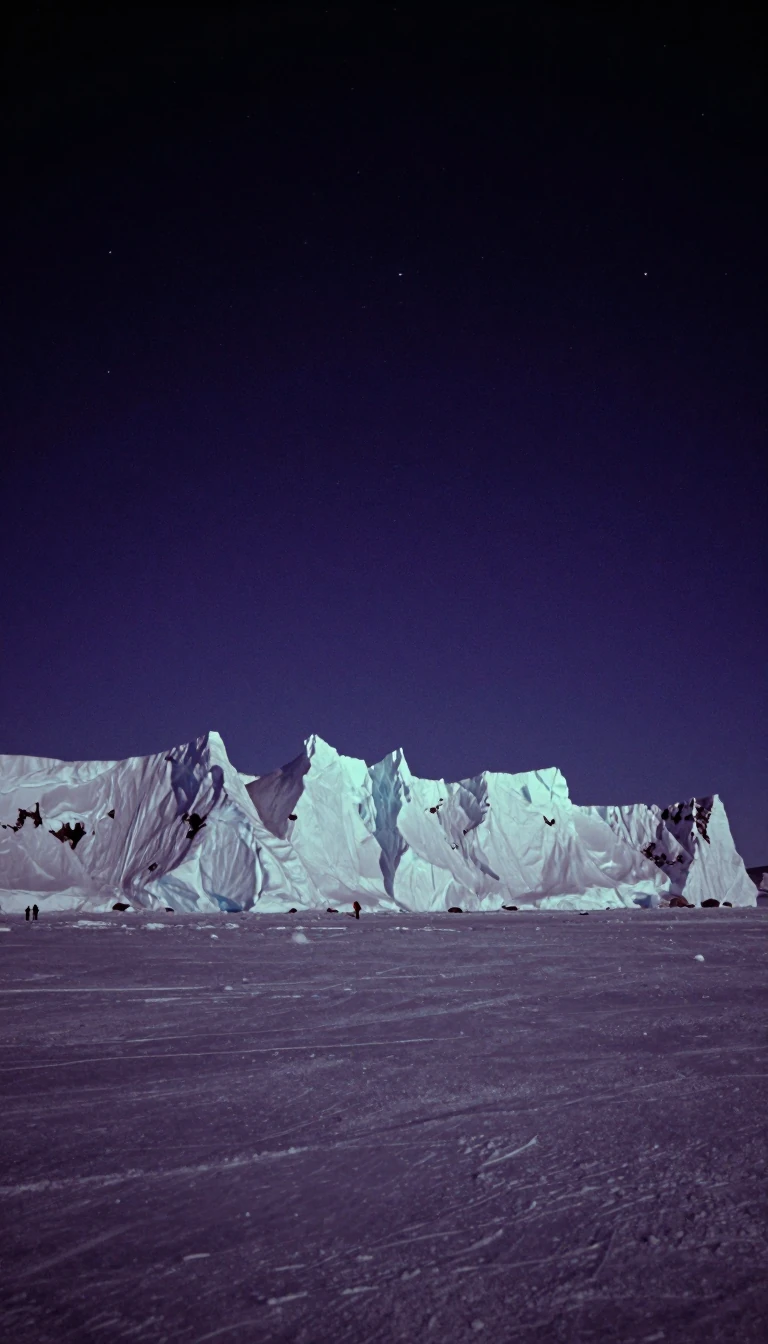
In short: Known as the White Desert, Antarctica is a paradox of extreme aridity and immense frozen volume. While it remains the coldest place on Earth, its vast ice sheets are not static. They are dynamic systems that influence global sea levels, ocean circulation, and the climate of the entire planet.
Antarctica is defined by its extreme climate, holding the record for the lowest air temperature ever measured at −89.2 °C at Vostok Station in 1983. While the interior is a frigid, high-altitude desert receiving as little as 50 millimetres of precipitation annually, the coastal regions are comparatively warmer. The continent’s massive ice sheets, which contain 90 percent of the world's ice, have been accumulating for millions of years. This ice is not stationary; it flows slowly toward the sea, eventually forming ice shelves that act as critical barriers, holding back the land-based ice sheets from sliding into the ocean.
The stability of these ice sheets is currently a major focus of scientific research. While the East Antarctic Ice Sheet remains largely stable, the West Antarctic Ice Sheet and the Antarctic Peninsula are showing signs of vulnerability. The Peninsula has warmed by over 3 °C since the 1950s, a rate significantly faster than the global average. Scientists are particularly concerned about the Thwaites ice shelf, which serves as a vital support for the West Antarctic Ice Sheet. If this shelf collapses, it could trigger a wider destabilization, potentially contributing to significant global sea-level rise over the coming centuries.
Beyond its role in sea-level dynamics, Antarctica is a critical engine for the global ocean. As ice melts and glaciers calve, they release nutrients and generate underwater waves that drive deepwater circulation and ocean mixing. This process distributes nutrients far beyond the Southern Ocean, impacting marine ecosystems worldwide. Furthermore, the continent serves as a unique climate archive; ice-core drilling at Vostok has provided a history of atmospheric and volcanic activity extending back more than 400,000 years, offering essential data for understanding long-term climate processes and the potential future of our planet.
Opens the Intellect+ feed with this card first. Swipe up for the next one.
Sources
- Summary by Intellect · source: Antarctica - Polar, Ice, Climate | Britannica
- Also: Climate of Antarctica
- Also: Climate change in Antarctica: How rising temperatures are affecting the coldest place on Earth | Natural History Museum
To cite this card, link to https://intellectplus.co.uk/app/nature-climate-of-antarctica.
How we source, check and correct cards: Editorial standards.
General information, not professional advice. Spotted an error? Flag the card or see corrections and complaints.
Intellect Plus is a visual educational discovery platform for exploring fascinating facts and ideas. Brain Food, Not Brain Rot. What is Intellect Plus?
Related
More in Air · More in Nature · Latest · A–Z · All topics
