Why the turkey is named after a country that never grew it
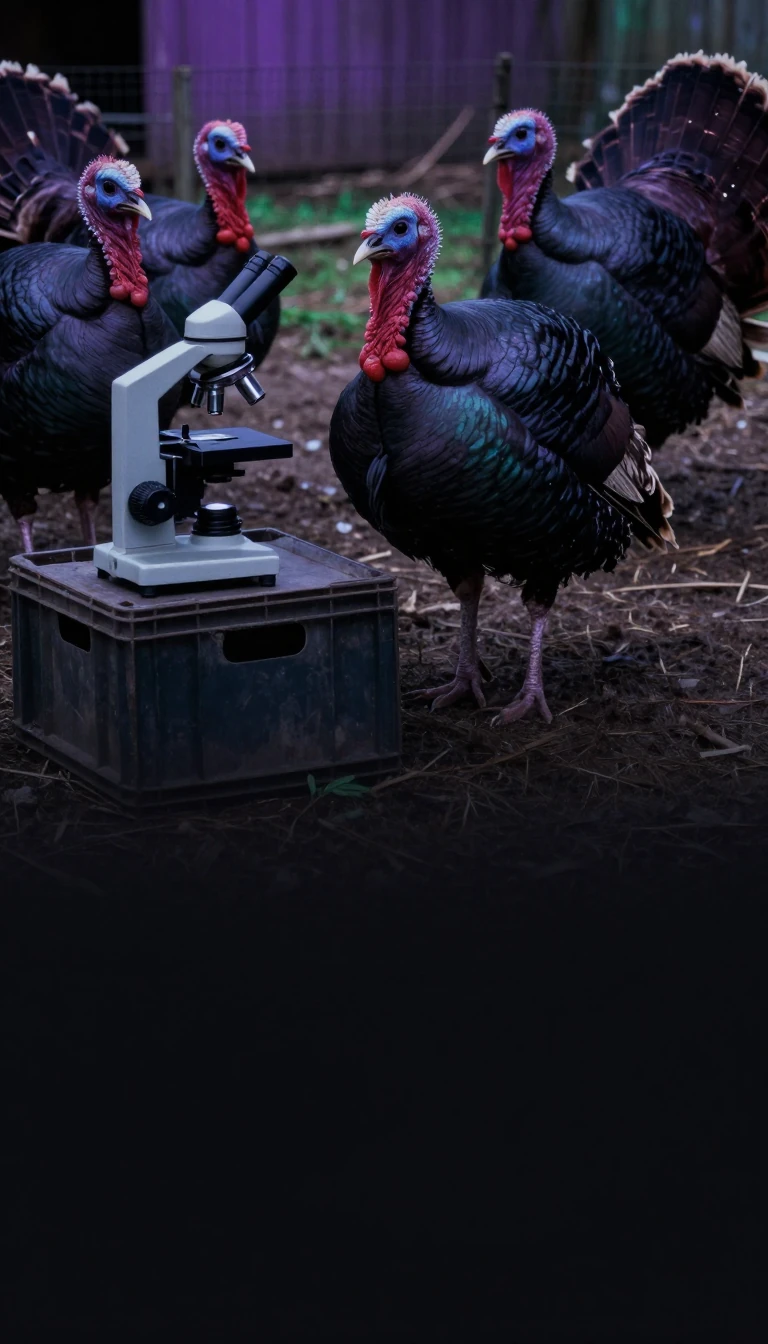
In short: The turkey is a North American native, yet its name links it to distant lands. From the guineafowl imported via Turkey to the French poule d'inde, the bird's global nomenclature reflects a historical confusion. Beyond the name, this heavy bird hides a sophisticated biological signaling system in its fleshy snood.
The turkey, a member of the family Phasianidae, has a history as complex as its name. While the wild turkey is indigenous to North America, the name 'turkey' originally referred to the guineafowl, an African bird imported to Europe via Turkey. As English colonies expanded in the New World, settlers applied the familiar name to the superficially similar American species. Other languages followed different naming conventions; French speakers historically called the bird 'chicken of India,' while Northern European languages linked the bird to the Indian city of Calicut.
Biologically, the turkey is defined by its social structure and unique physical traits. Males possess a snood, an erectile, fleshy protuberance on the forehead that serves as a signal in both intersexual and intrasexual selection. Research indicates that longer snoods correlate with higher resistance to protozoan parasites, as the tissue's blood engorgement supports immune system functionality. Because commercial turkeys often peck at these appendages during fights, farmers sometimes perform 'de-snooding' on chicks to prevent injury and potential cannibalism.
Domestication of the species Meleagris gallopavo began at least 2,000 years ago, with indigenous peoples in Mexico and the American Southwest domesticating the birds independently. By the 17th century, the wild turkey population in the United States was estimated at 10 million, but habitat loss and hunting reduced this to just 30,000 by the 1930s. Conservation efforts in the 1960s and 1970s successfully re-introduced the birds to various states. Today, the turkey remains a cultural icon, though its habit of treating humans as subordinates in a pecking order can lead to aggressive encounters in residential areas.
Opens the Intellect+ feed with this card first. Swipe up for the next one.
Sources
- Summary by Intellect · source: Turkey (bird)
To cite this card, link to https://intellectplus.co.uk/app/nature-turkey-bird.
How we source, check and correct cards: Editorial standards.
General information, not professional advice. Spotted an error? Flag the card or see corrections and complaints.
Intellect Plus is a visual educational discovery platform for exploring fascinating facts and ideas. Brain Food, Not Brain Rot. What is Intellect Plus?
Related
More in Vertebrates · More in Nature · Latest · A–Z · All topics
