Are whales actually ungulates? The surprising truth about hooves and evolutionary history.
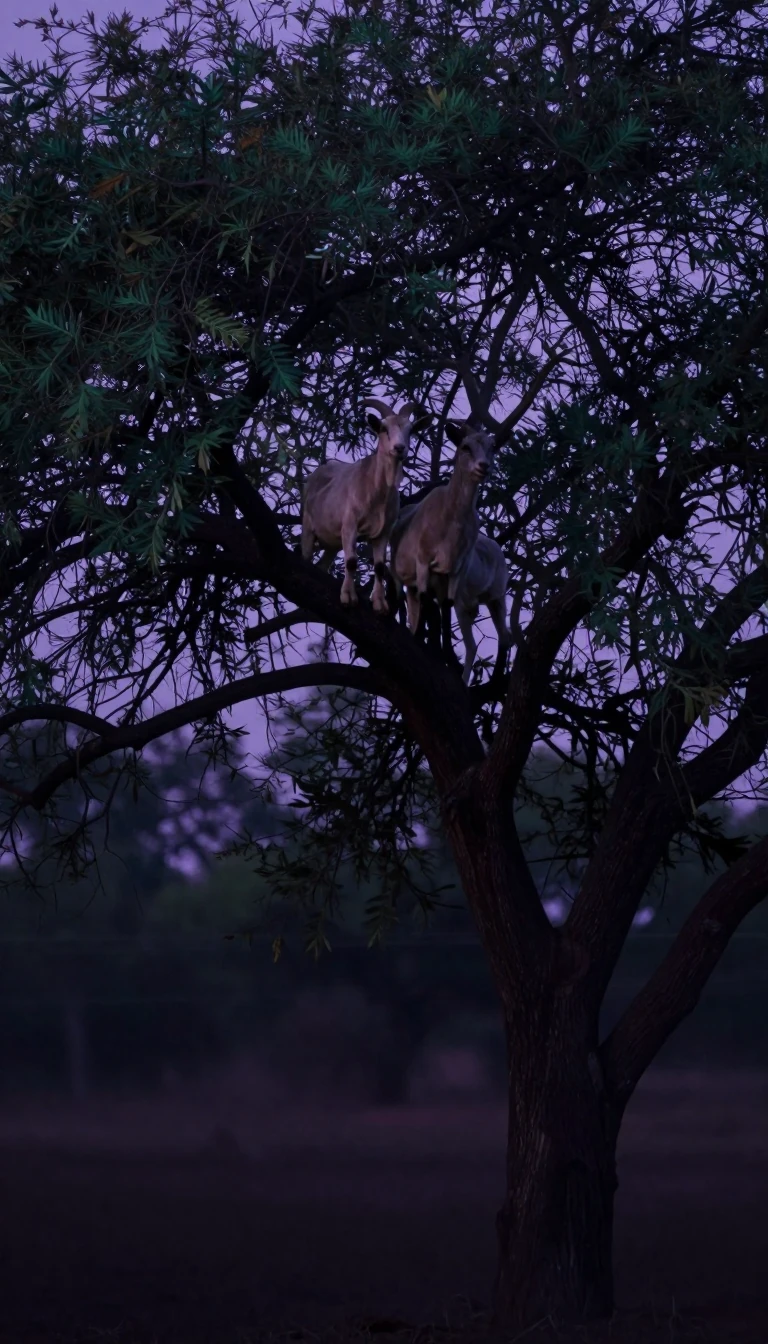
In short: Ungulates are defined as hoofed mammals, yet the group includes whales and dolphins, which lack hooves entirely. This paradox highlights the shift from traditional classification to modern cladistics, where evolutionary lineage matters more than physical appearance. Discover how these massive land mammals and sea giants share a common ancestor.
The term ungulate, derived from the Latin for hoof, traditionally described a group of large, herbivorous land mammals. However, molecular data has forced a major taxonomic overhaul. The old category 'Ungulata' was found to be polyphyletic—an invalid grouping of unrelated species. Today, true ungulates are placed in the clade Euungulata, which consists of two primary orders: Perissodactyla (odd-toed) and Artiodactyla (even-toed).
The inclusion of cetaceans—whales, dolphins, and porpoises—within the Artiodactyla order is a landmark example of evolutionary biology. While they lack hooves, they are direct descendants of early artiodactyls. Fossil evidence, such as the 52-million-year-old Pakicetus, shows how these ancestors transitioned from land-dwelling quadrupeds to fully aquatic creatures. This shift is further supported by shared skeletal traits, such as the specific structure of the astragalus bone in the ankle, which remains a diagnostic feature of the artiodactyl lineage.
The evolution of these groups was heavily influenced by environmental shifts. During the Miocene, about 20 million years ago, the spread of grasslands favored artiodactyls, whose complex digestive systems allowed them to thrive on coarse, low-nutrition diets. Meanwhile, perissodactyls, which dominated the Oligocene, faced increased pressure. Adaptations like hypsodonty—high-crowned teeth—emerged across many ungulate species. While long attributed to the abrasive silica in grass, recent research suggests this trait may have evolved primarily to handle the gritty, open habitats that characterized the era.
Beyond their feet and teeth, ungulates exhibit remarkable diversity in cranial appendages, from the keratin-based horns of bovids to the rapidly growing, bone-based antlers of cervids. These structures often serve as honest signals of metabolic health and sexual fitness. Whether through the convergent evolution of hooves in unrelated species or the dramatic transition of whales to the ocean, the story of ungulates is one of constant adaptation to changing planetary landscapes.
Opens the Intellect+ feed with this card first. Swipe up for the next one.
Sources
- Summary by Intellect · source: Ungulate
To cite this card, link to https://intellectplus.co.uk/app/nature-ungulate.
How we source, check and correct cards: Editorial standards.
General information, not professional advice. Spotted an error? Flag the card or see corrections and complaints.
Intellect Plus is a visual educational discovery platform for exploring fascinating facts and ideas. Brain Food, Not Brain Rot. What is Intellect Plus?
Related
More in Organisms · More in Nature · Latest · A–Z · All topics
