Whales are not fish, but land-dwelling mammals that returned to the sea
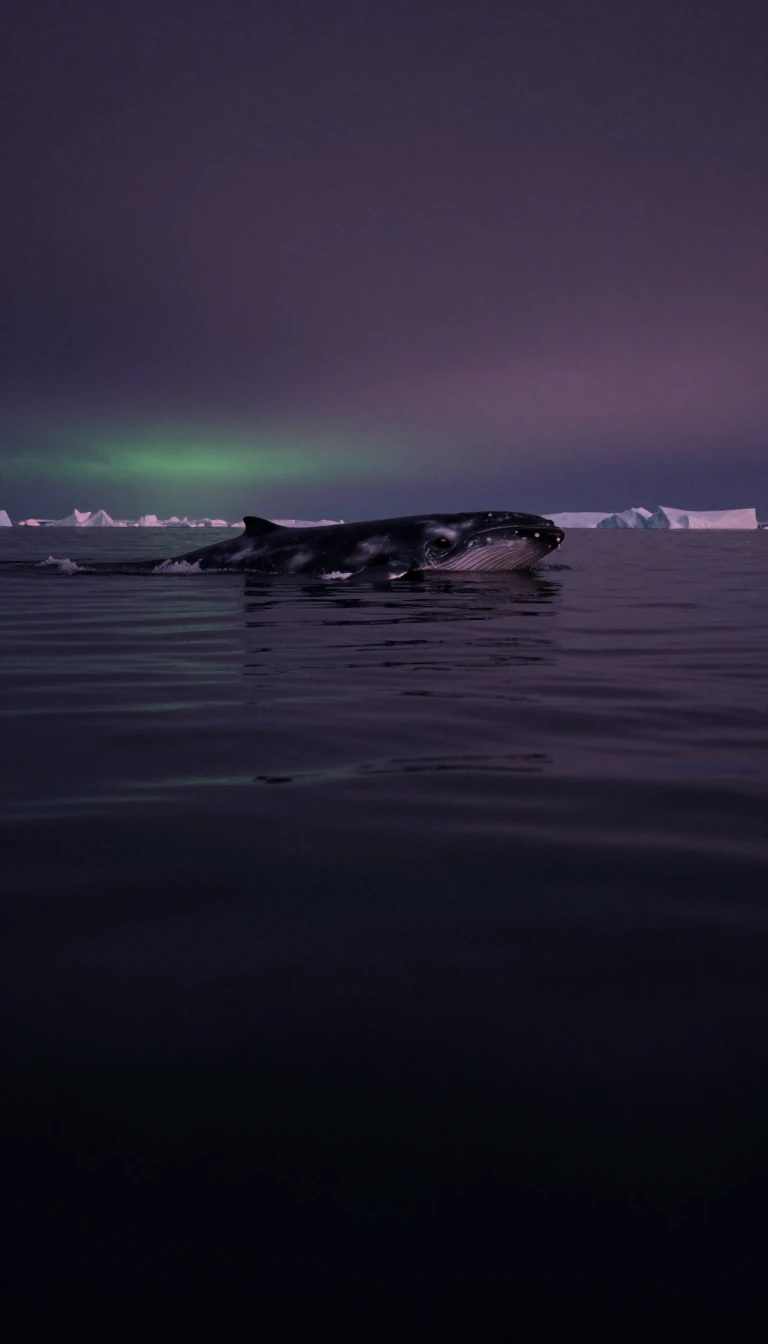
In short: Whales, dolphins, and porpoises are descendants of terrestrial mammals that transitioned to the ocean during the Eocene. While once thought to be related to extinct wolf-like carnivores, modern evidence confirms they are actually highly specialized artiodactyls, sharing a common ancestor with the hippopotamus, having evolved from land to water.
The evolutionary journey of cetaceans began in the Early Eocene, roughly 55.8 to 49 million years ago, in what is now Pakistan. The earliest known fossil, Pakicetus, provides clear evidence that these creatures were once land-dwelling mammals. Early archaeocetes, the ancestral group, were large, dolphin-like animals that gradually adapted to aquatic life through significant morphological changes, including modifications to their limbs, inner ear structures, and bone density, which helped them control buoyancy as they shifted from terrestrial to fully aquatic environments.
The transition from land to sea was not a simple path. While early hypotheses suggested a link to mesonychids—carnivorous ungulates with wolf-like traits—molecular data now places cetaceans firmly within the artiodactyls, the group of even-toed hoofed mammals. This connection is further supported by the study of Raoellidae, a family of semi-aquatic artiodactyls like Indohyus, which possessed dense limb bones similar to those of modern hippos, allowing them to remain submerged. This suggests that the ancestors of whales may have used water as a refuge, much like the modern water chevrotain.
By the Late Oligocene, cetaceans had diverged into the two suborders we recognize today: the Odontoceti (toothed whales) and the Mysticeti (baleen whales). Toothed whales developed echolocation to hunt, while baleen whales evolved keratinous plates to filter-feed. The Miocene Epoch served as a critical period for diversification, as changing ocean circulation and increased productivity supported the rise of large, migratory whales. Today, while cetacean biodiversity has decreased since that peak, their history remains a profound example of how life adapts to extreme environmental shifts.
Opens the Intellect+ feed with this card first. Swipe up for the next one.
Sources
- Summary by Intellect · source: Cetacean - Marine Mammals, Evolution, Classification | Britannica
- Also: Evolution of cetaceans
To cite this card, link to https://intellectplus.co.uk/app/nature-evolution-of-cetaceans.
How we source, check and correct cards: Editorial standards.
General information, not professional advice. Spotted an error? Flag the card or see corrections and complaints.
Intellect Plus is a visual educational discovery platform for exploring fascinating facts and ideas. Brain Food, Not Brain Rot. What is Intellect Plus?
Related
More in Vertebrates · More in Nature · Latest · A–Z · All topics
