Voles are small rodents that can display surprisingly complex social and empathetic behaviors
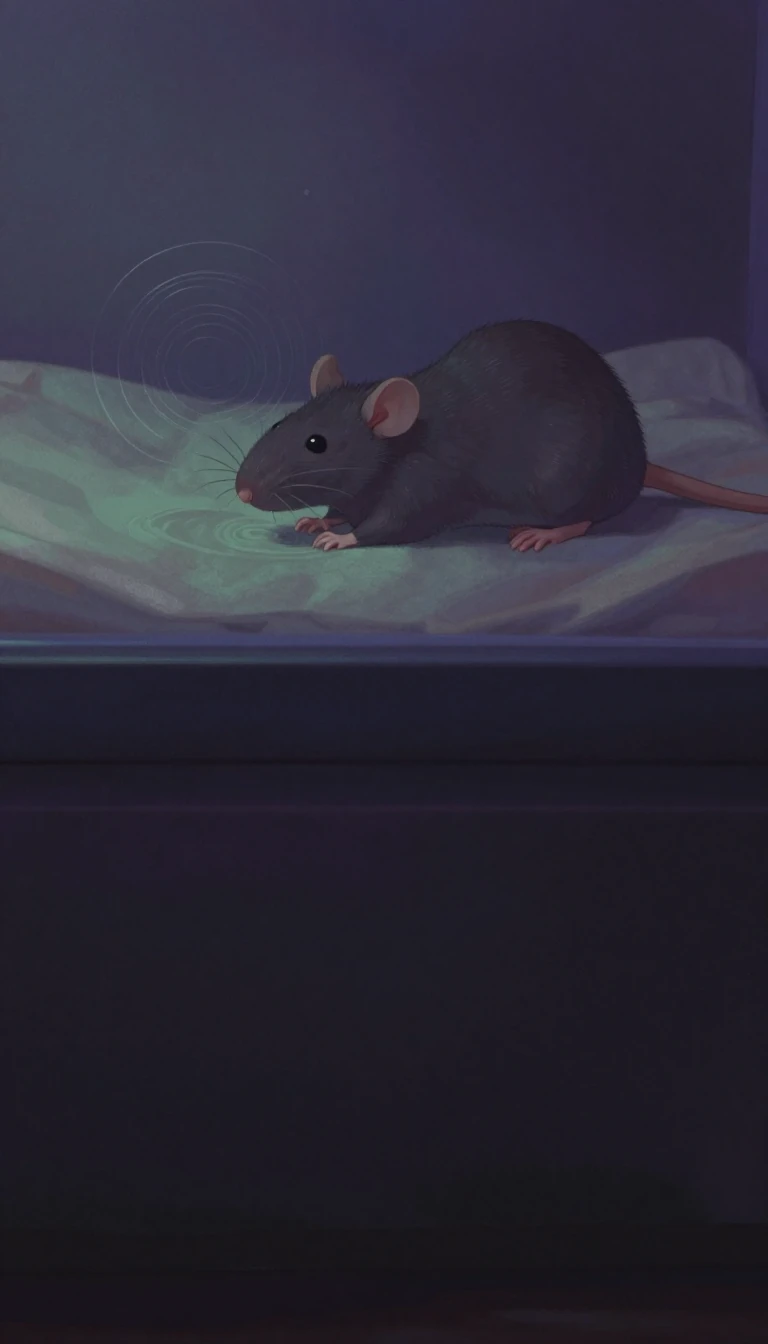
In short: Often mistaken for mice or moles, voles are prolific rodents with a secret life. Beyond their rapid reproduction and destructive burrowing, some species exhibit monogamous pair-bonding and even demonstrate empathy by comforting distressed peers. These tiny creatures are challenging our understanding of which animals possess advanced social cognition.
Voles are small rodents belonging to the subfamily Arvicolinae, alongside lemmings and muskrats. With approximately 155 species, they are physically characterized by stout bodies, hairy tails, and distinctively high-crowned molars. Despite their modest size—ranging from 8 to 23 cm—they are ecological powerhouses. They consume their own body weight in plant material daily and can kill young trees by girdling them. Their rapid reproductive cycle, featuring three-week gestation periods and sexual maturity within a month, allows populations to explode in size quickly.
The social lives of voles are remarkably diverse and highly sensitive to environmental conditions. While many species are polygamous, the prairie vole is famous for its monogamous social fidelity. Research suggests this behavior is linked to the density of oxytocin and vasopressin receptors in the brain, influenced by specific genetic sequences. Interestingly, scientists have successfully modified the social behavior of the promiscuous meadow vole by increasing the expression of a single gene, highlighting the biological basis of these complex social structures.
Perhaps most striking is the evidence of empathy in voles. A 2016 study on Microtus ochrogaster found that these rodents comfort mistreated peers through grooming, a behavior previously thought to be exclusive to animals with advanced cognition like humans and apes. This empathetic response is mediated by oxytocin; when researchers blocked oxytocin receptors, the comforting behavior ceased. Beyond their social complexity, voles are also biologically unique, exhibiting unusual chromosomal variations, including species where males and females have different chromosome counts or where the Y chromosome has been lost entirely.
Opens the Intellect+ feed with this card first. Swipe up for the next one.
Sources
- Summary by Intellect · source: Vole
To cite this card, link to https://intellectplus.co.uk/app/nature-vole.
How we source, check and correct cards: Editorial standards.
General information, not professional advice. Spotted an error? Flag the card or see corrections and complaints.
Intellect Plus is a visual educational discovery platform for exploring fascinating facts and ideas. Brain Food, Not Brain Rot. What is Intellect Plus?
Related
More in Organisms · More in Nature · Latest · A–Z · All topics
