Why these primitive, cat-like mammals are the evolutionary ancestors of the modern feline family
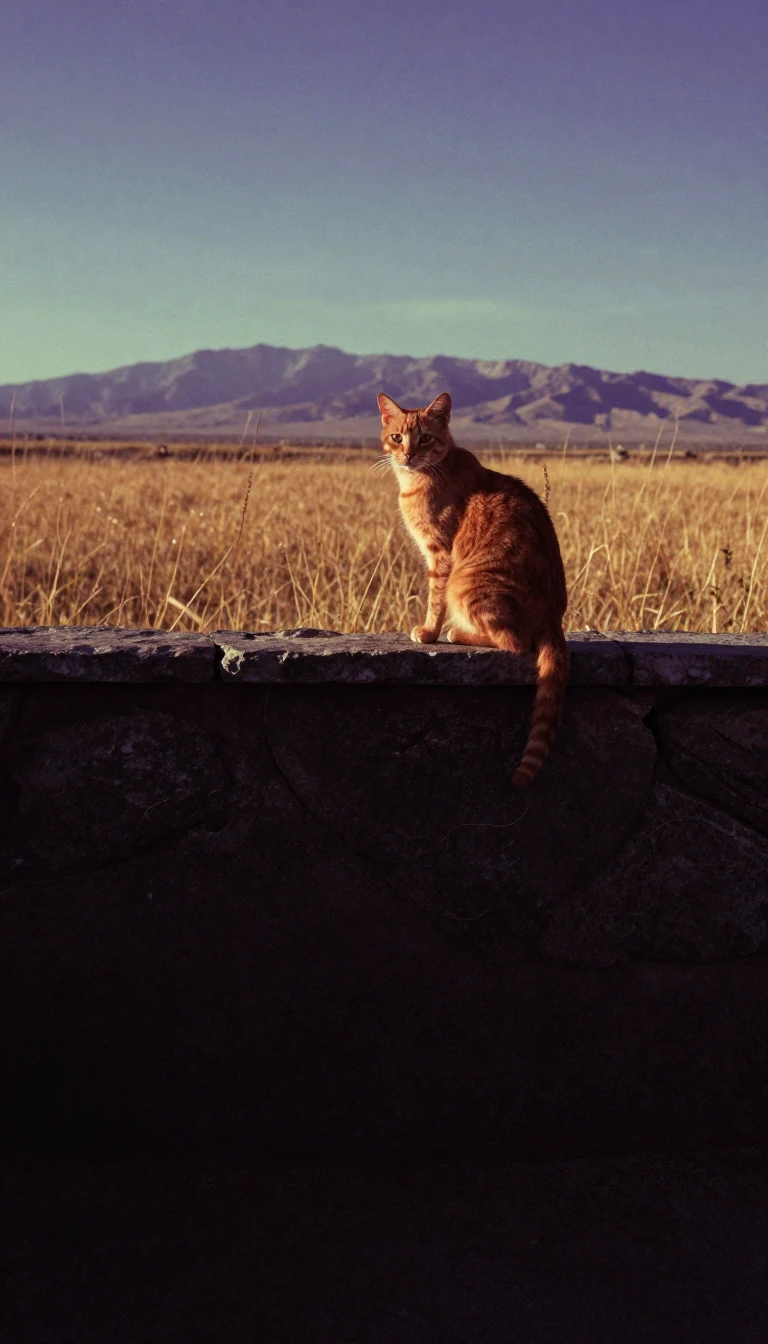
In short: Viverrids are the most primitive members of the feliform carnivores, yet they remain widely misunderstood. Comprising 33 species across Africa, Europe, and Asia, these small to medium-sized mammals possess unique anatomical features—like half-retractile claws and specialized scent glands—that distinguish them from their more highly specialized cousins, the Felidae.
First described by John Edward Gray in 1821, the Viverridae family consists of 14 distinct genera. While they share a superficial resemblance to cats, their physical structure tells a different story. Viverrids are characterized by longer muzzles, shorter limbs, and a five-toed hind foot that retains the first digit. Internally, their flesh-shearing carnassial teeth are notably less developed than those found in other feliform carnivorans, and most species feature a baculum, or penis bone.
The classification of these animals has evolved significantly since Gray’s initial definition, which once included genera like Herpestes and Suricata. Reginald Innes Pocock later refined the family by focusing on the structure of feet and specialized scent glands located near the generative organs. This led to the recognition of subfamilies such as Viverrinae, Paradoxurinae, Hemigalinae, and Prionodontinae. However, modern genetic analysis has forced scientists to prune the family tree. For instance, the Malagasy fossa, once placed within Viverridae by Edward Turner Bennett in 1833, is now considered a member of the Eupleridae family.
Taxonomic debates continue as DNA research clarifies these ancient relationships. The African palm civet, for example, looks like a typical viverrid but is genetically distinct enough to warrant its own monotypic family, Nandiniidae. Similarly, recent molecular studies have proposed that the Asiatic linsangs belong in their own family, Prionodontidae, as they appear to be the sister group to the Felidae. Despite these reclassifications, the core of the Viverridae remains a fascinating study in evolutionary biology, representing a lineage that has persisted with primitive, yet highly effective, adaptations for millions of years.
Opens the Intellect+ feed with this card first. Swipe up for the next one.
Sources
- Summary by Intellect · source: Viverridae
To cite this card, link to https://intellectplus.co.uk/app/nature-viverridae.
How we source, check and correct cards: Editorial standards.
General information, not professional advice. Spotted an error? Flag the card or see corrections and complaints.
Intellect Plus is a visual educational discovery platform for exploring fascinating facts and ideas. Brain Food, Not Brain Rot. What is Intellect Plus?
Related
More in Organisms · More in Nature · Latest · A–Z · All topics
