Can we actually control the weather, or are we just chasing clouds?
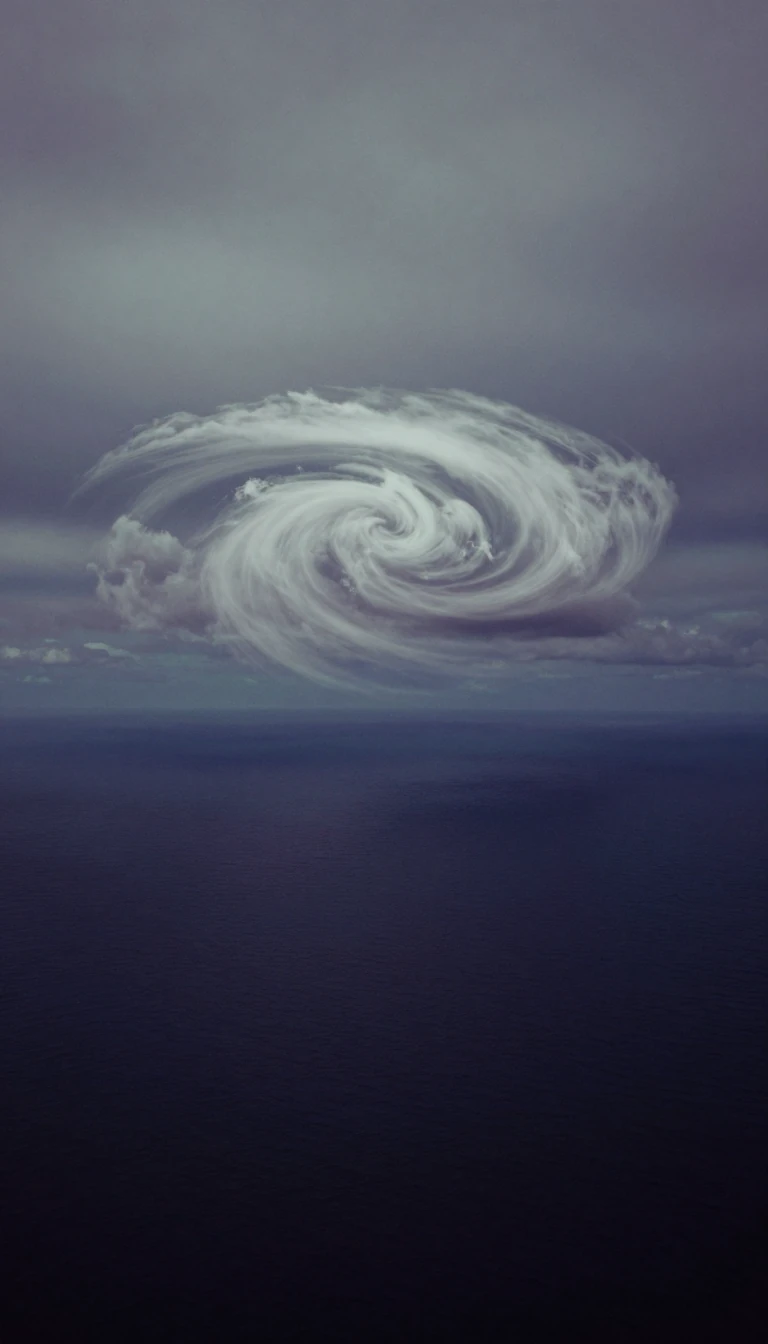
In short: Humans have long attempted to manipulate the atmosphere, from firing cannons at storms to seeding clouds with dry ice. While modern techniques like cloud seeding are used globally to boost rainfall and suppress hail, the science remains complex, debated, and often indistinguishable from the natural variability of our planet's weather systems.
The scientific pursuit of weather modification took root in 1946 at the General Electric Research Laboratories. Researchers Vincent J. Schaefer and Irving Langmuir discovered that introducing dry ice into supercooled clouds—those containing liquid water droplets at sub-freezing temperatures—could trigger the formation of ice crystals. These crystals grow and eventually fall as precipitation, a process that effectively dissipates the cloud. Today, silver iodide is more commonly used, as its particles serve as nuclei for ice formation when burned and dispersed into the atmosphere.
Operational programs now span over 50 countries, targeting objectives like fog dispersion, snow enhancement, and hail suppression. In regions like Russia and South Africa, artillery and rockets have been employed to introduce ice nuclei into potential hailstorms. Despite these efforts, the World Meteorological Organization notes that proving the success of such interventions is difficult. Because weather systems possess immense energy, claims that humans can create rain-bearing clouds or eliminate severe phenomena like hurricanes lack a sound scientific basis and are viewed with skepticism by the meteorological community.
Rigorous evaluation of these activities requires randomized experimental designs to distinguish human impact from natural fluctuations. While research into wintertime orographic cloud seeding—which targets clouds over mountains—has shown promising evidence of a causal relationship, other areas remain inconclusive. Furthermore, weather modification cannot end droughts, as these events are driven by large-scale atmospheric circulation patterns that often result in cloud-free skies. Without existing clouds to seed, these technologies remain powerless, highlighting the limits of our ability to command the sky.
Opens the Intellect+ feed with this card first. Swipe up for the next one.
Sources
- Summary by Intellect · source: Weather modification | Cloud Seeding & Rainmaking | Britannica
- Also: WMO Statement on Weather Modification
- Also: Weather modification
To cite this card, link to https://intellectplus.co.uk/app/nature-weather-modification.
How we source, check and correct cards: Editorial standards.
General information, not professional advice. Spotted an error? Flag the card or see corrections and complaints.
Intellect Plus is a visual educational discovery platform for exploring fascinating facts and ideas. Brain Food, Not Brain Rot. What is Intellect Plus?
Related
More in Earth science · More in Nature · Latest · A–Z · All topics
