The Wels catfish is a prehistoric giant lurking in Europe's rivers and lakes
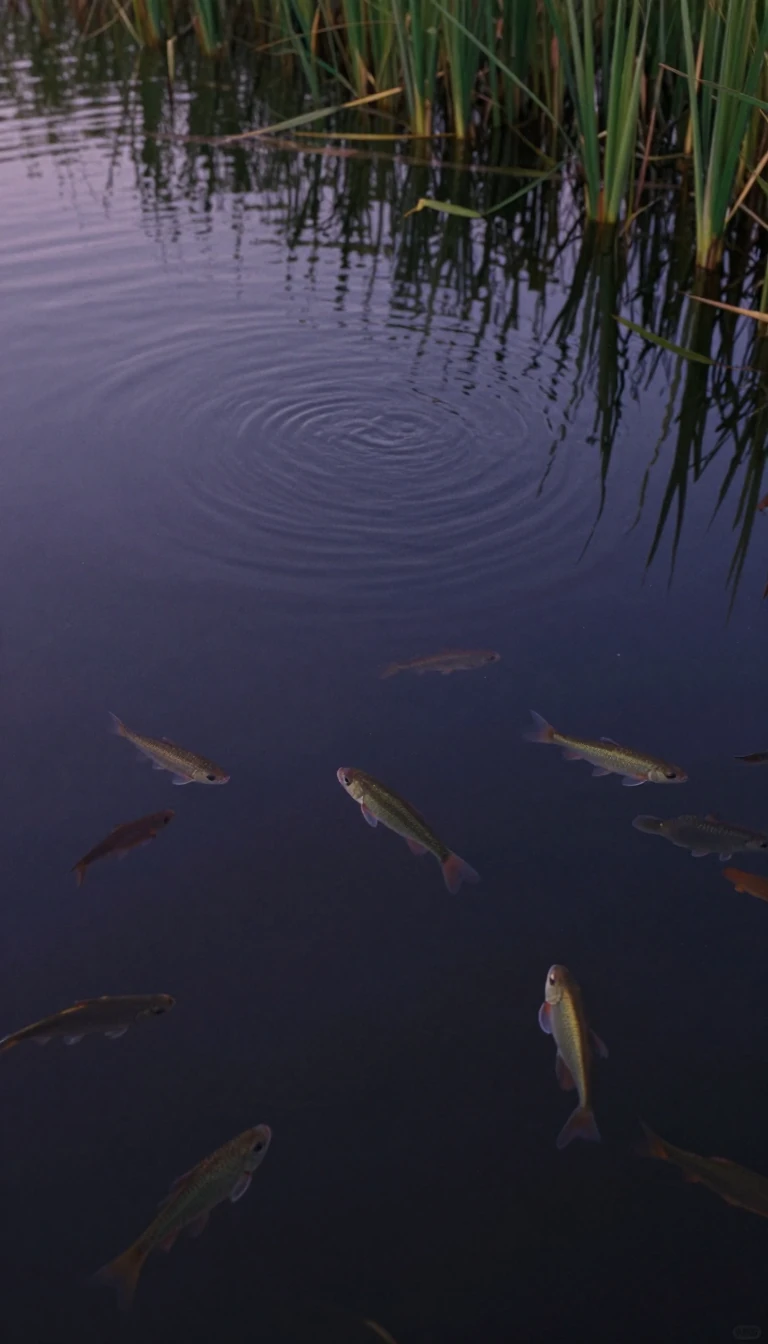
In short: As one of the largest freshwater fish in Europe, the Wels catfish is a formidable predator. Capable of reaching massive proportions, this scaleless giant uses sensitive barbels to hunt in the dark. From its ancient origins to its modern status as a prized sport fish, it remains a true river monster.
The Wels catfish, known scientifically as Silurus glanis, is a voracious predator native to large rivers and lakes across central Europe and western Asia. Belonging to the family Siluridae, this species is easily recognized by the long, whisker-like barbels around its mouth, which serve as sensory feelers. Unlike many other fish, the Wels is entirely scaleless, possessing a body that is either naked or protected by bony plates. These fish are primarily bottom dwellers and are notably more active during the night, relying on their keen sense of smell and hearing to locate prey.
While typical adult specimens generally measure between 1.3 and 1.6 meters in length, the species is capable of reaching extraordinary sizes under ideal conditions. Historical reports and modern captures suggest that these fish can occasionally exceed 2 meters, with some exceptional, albeit rare, accounts describing individuals approaching 3 meters. Their hunting technique is equally impressive; the Wels uses its sharp pectoral fins to create an underwater eddy, disorienting its victim before sucking the prey into its mouth to be swallowed whole. This combination of size and predatory behavior has made it a popular target for sport fishing across its expanded range.
The reproductive cycle of the Wels is marked by significant parental investment. Females produce thousands of eggs, and the male takes on the role of guardian, protecting the nest until the brood hatches. In some instances, if water levels drop, the male has been observed splashing the eggs with its tail to keep them moist. This adaptability has allowed the Wels to thrive in diverse environments, from the basins of the Baltic and Black Seas to introduced populations as far west as the United Kingdom.
Opens the Intellect+ feed with this card first. Swipe up for the next one.
Sources
- Summary by Intellect · source: Wels | Freshwater, Aquatic, Predator | Britannica
- Also: Wels catfish
- Also: iNaturalist — Wels Catfish (Silurus glanis) · CC BY-SA 4.0 (Wikipedia summary)
To cite this card, link to https://intellectplus.co.uk/app/nature-wels-catfish.
How we source, check and correct cards: Editorial standards.
General information, not professional advice. Spotted an error? Flag the card or see corrections and complaints.
Intellect Plus is a visual educational discovery platform for exploring fascinating facts and ideas. Brain Food, Not Brain Rot. What is Intellect Plus?
Related
More in Vertebrates · More in Nature · Latest · A–Z · All topics
