The deadliest natural disaster in U.S. history ended a city's golden age forever.
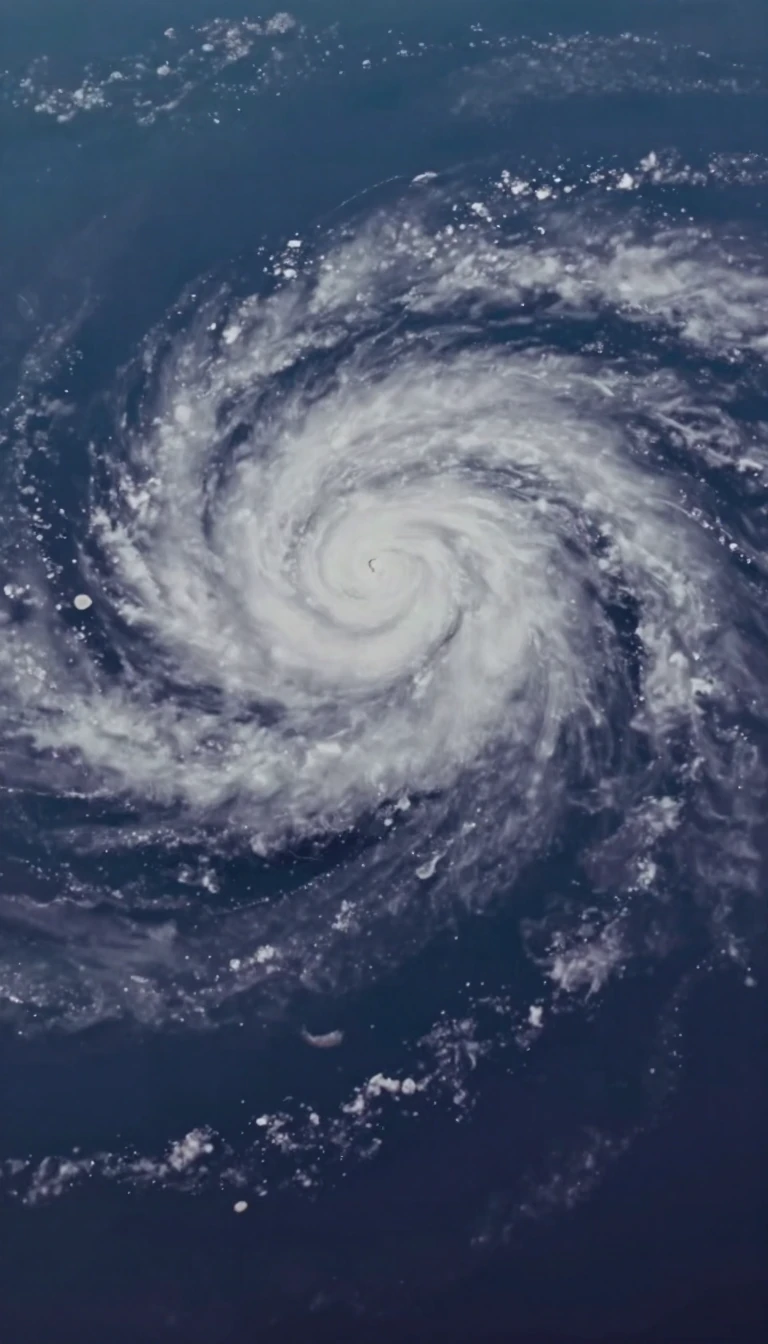
In short: In 1900, Galveston was a booming, wealthy port city that felt invincible. Then, a catastrophic Category 4 hurricane leveled the island, killing at least 8,000 people. The disaster not only destroyed thousands of homes but permanently shifted the region's economic power to Houston, leaving Galveston to rebuild its entire shoreline.
By 1900, Galveston was the fourth-largest city in Texas, a prosperous hub known as the Wall Street of the Southwest. Despite its vulnerability as a low-lying sandbar, residents and local officials remained complacent, fueled by the belief that no significant hurricane could strike the island. This overconfidence led them to reject proposals for a protective seawall and even dismantle natural sand dunes to fill low-lying areas, inadvertently increasing the city's exposure to the Gulf of Mexico.
The storm, first detected on August 27, 1900, intensified into a Category 4 hurricane as it entered the Gulf of Mexico. When it made landfall on September 8, it brought a devastating storm surge of 8 to 15 feet that completely inundated the island, where the highest point was only about 9 feet above sea level. The destruction was absolute: every dwelling in the city suffered damage, with over 3,600 homes demolished and approximately 10,000 residents left homeless.
Official reports cite 8,000 fatalities, though estimates range as high as 12,000, making it the deadliest natural disaster in United States history. In the aftermath, the city undertook a massive engineering project to raise the island's elevation by 17 feet and construct a 10-mile seawall. However, the psychological and economic damage was irreversible; investors, alarmed by the catastrophe, abandoned Galveston in favor of Houston, effectively ending the city's golden era.
The tragedy was compounded by the U.S. Weather Bureau's failure to accurately predict the storm's path. Due to political tensions following the Spanish-American War, the Bureau blocked critical telegraph reports from advanced Cuban meteorologists who correctly identified the storm's trajectory. This lack of information, combined with a rigid internal policy requiring central authorization for warnings, left Galveston residents largely unaware of the impending doom until it was too late.
Opens the Intellect+ feed with this card first. Swipe up for the next one.
Sources
- Summary by Intellect · source: 1900 Galveston hurricane
- Also: Galveston hurricane of 1900 | Description, Damage, & Facts | Britannica
- Also: Wikidata — 1900 Galveston hurricane · CC0
To cite this card, link to https://intellectplus.co.uk/app/places-1900-galveston-hurricane.
How we source, check and correct cards: Editorial standards.
General information, not professional advice. Spotted an error? Flag the card or see corrections and complaints.
Intellect Plus is a visual educational discovery platform for exploring fascinating facts and ideas. Brain Food, Not Brain Rot. What is Intellect Plus?
Related
More in Cities · More in Countries & Cities · Latest · A–Z · All topics
