How Ancient Desert Cities Thrived on the Fragrance of Frankincense and Myrrh
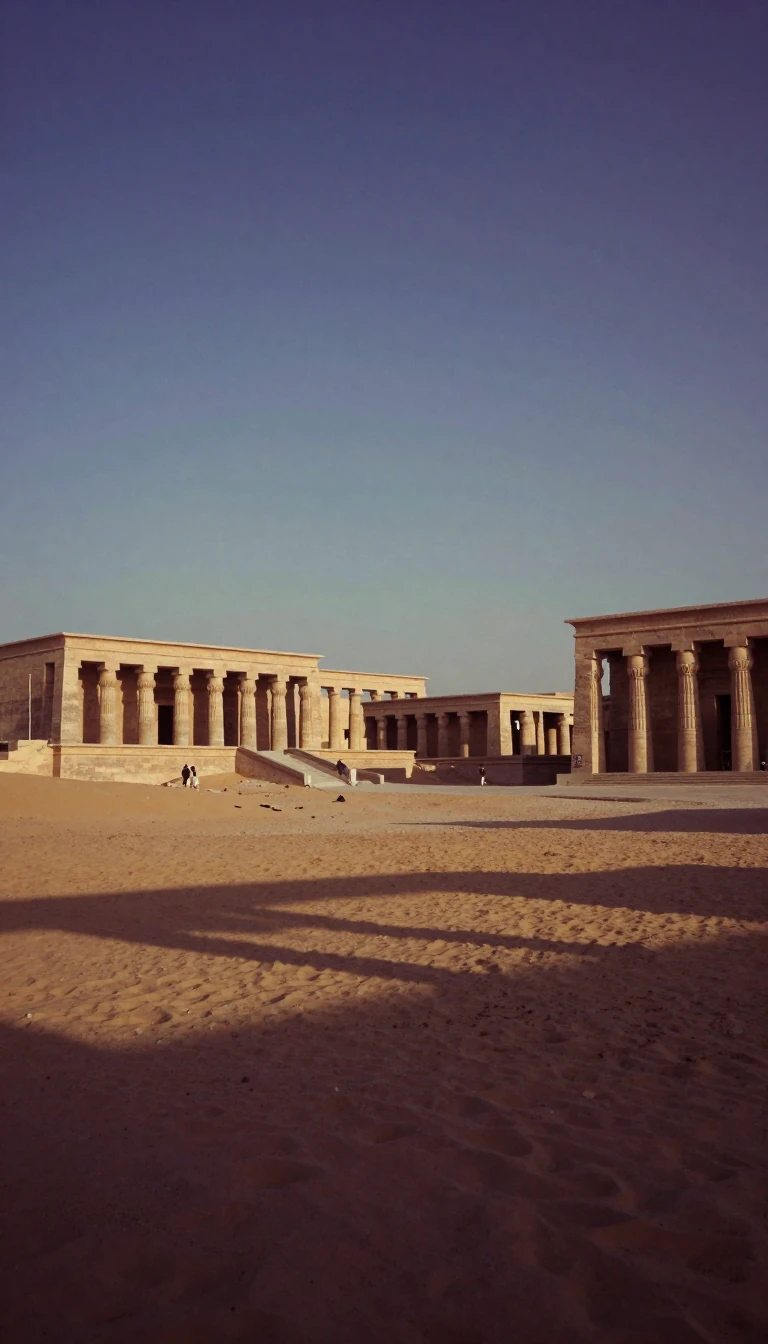
In short: In the arid Negev, the Nabataeans transformed a harsh landscape into a thriving commercial hub. By mastering camel caravans and sophisticated desert irrigation, they linked distant Arabian spice markets to the Mediterranean. Today, the remnants of their fortresses and towns reveal a forgotten empire built on the scent of incense.
The Incense Route, a vast network spanning over 2,000 kilometres, served as the primary artery for the lucrative trade of frankincense and myrrh from Yemen to the Mediterranean port of Gaza. Between 300 BC and 200 AD, this trade fueled the rise of four major desert cities in the Negev: Avdat, Haluza, Mamshit, and Shivta. These settlements, along with a series of forts and caravanserai, allowed the Nabataeans to manage the extreme conditions of the desert, where annual precipitation averages only 100 millimetres.
The Nabataeans were originally semi-nomadic, but they evolved into a settled society with organized government machinery after occupying the territory in the 6th century BC. Their survival in such an unforgiving environment relied on innovative engineering. They constructed complex systems of dams, cisterns, and reservoirs to capture floodwater, enabling agriculture on riverbanks and hill slopes. They also domesticated camels, which were essential for transporting goods across the long, arid stretches of the route.
The archaeological remains of these cities offer a glimpse into this Hellenistic-Roman era prosperity. Sites like Avdat feature limestone-walled temples and churches, while Mamshit contains bathhouses and private residences adorned with frescoes and mosaics. Although the trade route declined after the Romans occupied Petra, the sites remained remarkably well-preserved after being largely deserted in the 7th century AD. In 2005, UNESCO recognized the area for its outstanding universal value, highlighting how human ingenuity allowed for economic and social development in one of the world's most severe desert climates.
Today, the Israel Antiquities Authority manages the conservation of these structures, which continue to reveal secrets of ancient commerce. From the 22 milestones found in the Nafha Highlands to the intricate water systems at Moa, the physical evidence confirms the immense scale of the Nabataean achievement. These ruins stand as a testament to a civilization that turned a barren wasteland into a vital bridge between the East and the West.
Opens the Intellect+ feed with this card first. Swipe up for the next one.
Sources
- Summary by Intellect · source: Incense Route – Desert Cities in the Negev
To cite this card, link to https://intellectplus.co.uk/app/places-incense-route-desert-cities-in-the-negev.
How we source, check and correct cards: Editorial standards.
General information, not professional advice. Spotted an error? Flag the card or see corrections and complaints.
Intellect Plus is a visual educational discovery platform for exploring fascinating facts and ideas. Brain Food, Not Brain Rot. What is Intellect Plus?
Related
More in World Heritage Sites · More in Countries & Cities · Latest · A–Z · All topics
