The Ancient Engineering Marvel That Turned a Desert Oasis Into a Trading Empire
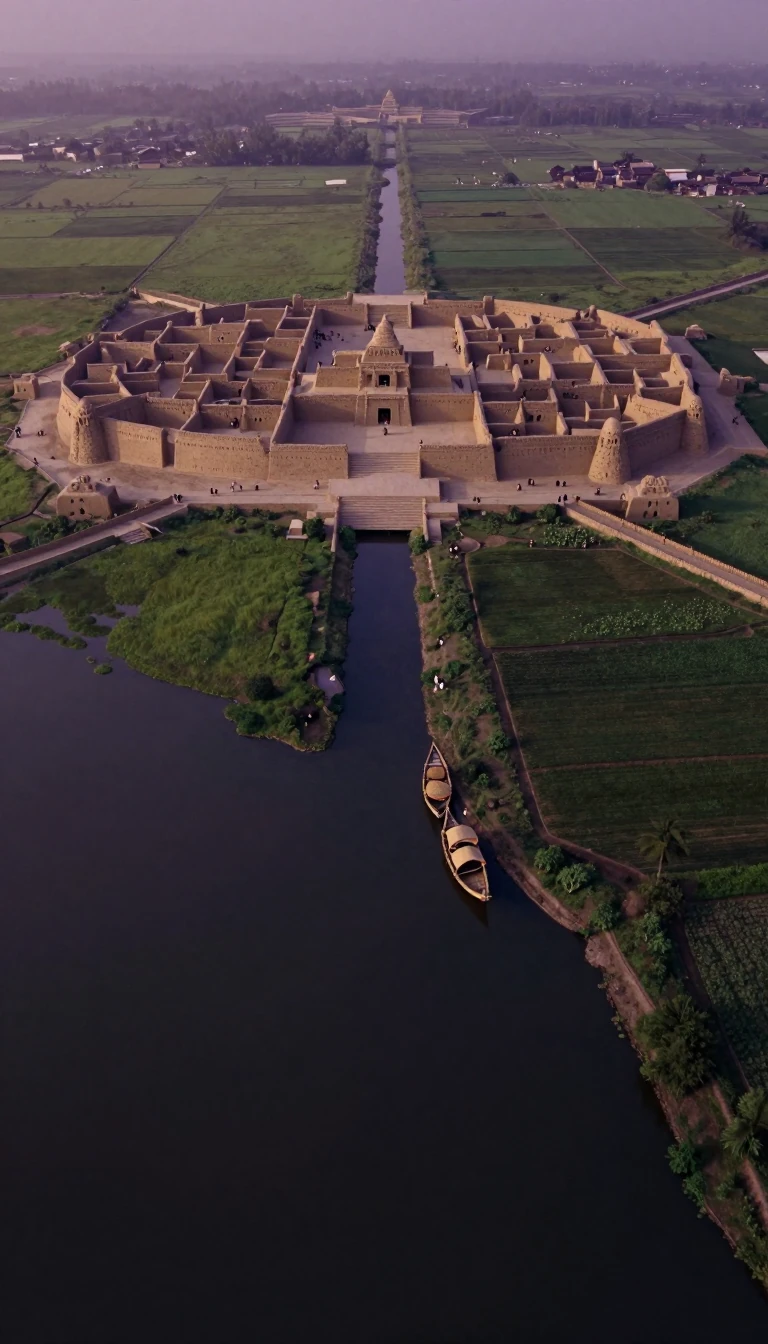
In short: Long before modern irrigation, the Great Dam of Ma’rib transformed a harsh Yemeni desert into the Paris of the ancient world. By capturing monsoon rains to sustain a massive agricultural network, this engineering feat fueled the prosperity of the Sabaean kingdom and its legendary monopoly on the global frankincense trade.
The Great Dam of Ma’rib, a cornerstone of the ancient Sabaean civilization, was built to harness the seasonal monsoon rains that flowed through the Wadi Sadd. While early earthworks may date back to 1750 BC, the most reliable evidence points to a sophisticated stone-and-masonry structure emerging around the 8th century BC. This dam, which stretched approximately 1,800 feet, allowed the Sabaeans to irrigate thousands of acres, creating a lush, densely settled agricultural hub in a region otherwise bordered by the unforgiving Rubʿ al-Khali desert.
The dam was more than a wall; it was a complex hydraulic system. By the time the Ḥimyarites assumed control around 115 BC, the structure had evolved into a 14-meter-high marvel featuring five spillway channels, masonry-reinforced sluices, and extensive canal networks. This infrastructure supported a thriving economy that dominated the lucrative trade routes for frankincense and myrrh. The site became so vital that its maintenance was a matter of state, with rulers from the 8th century BC through the 6th century AD commissioning repairs and leaving inscriptions to document their labor.
The eventual decline of the dam remains a subject of historical debate. Often referred to as the 'Flood of Arim' in the Qurʾān, the dam's final collapse is shrouded in myth and conflicting accounts. Some historians point to a massive breach around 145 BC during regional conflicts, while others suggest seismic activity or volcanic events in the 7th century AD led to its ultimate failure. Regardless of the cause, the destruction triggered significant migrations, marking the end of an era for one of the most impressive water-management systems in antiquity.
Today, the legacy of Ma’rib persists both in the archaeological record and in the modern landscape. The town itself is built upon a stratified mound of ancient ruins, and in 2023, UNESCO recognized the site’s historical importance by adding it to the World Heritage List. While the region’s agricultural productivity has shifted, the discovery of oil in 1984 has ensured that Ma’rib remains a central, albeit transformed, player in Yemen’s modern economy.
Opens the Intellect+ feed with this card first. Swipe up for the next one.
Sources
- Summary by Intellect · source: Ma’rib | Yemen, Dam, History, Facts, & Map | Britannica
- Also: Marib Dam
To cite this card, link to https://intellectplus.co.uk/app/places-marib-dam.
How we source, check and correct cards: Editorial standards.
General information, not professional advice. Spotted an error? Flag the card or see corrections and complaints.
Intellect Plus is a visual educational discovery platform for exploring fascinating facts and ideas. Brain Food, Not Brain Rot. What is Intellect Plus?
Related
More in Cities · More in Countries & Cities · Latest · A–Z · All topics
