Beyond Athens: Why the Acropolis was the heartbeat of the ancient world
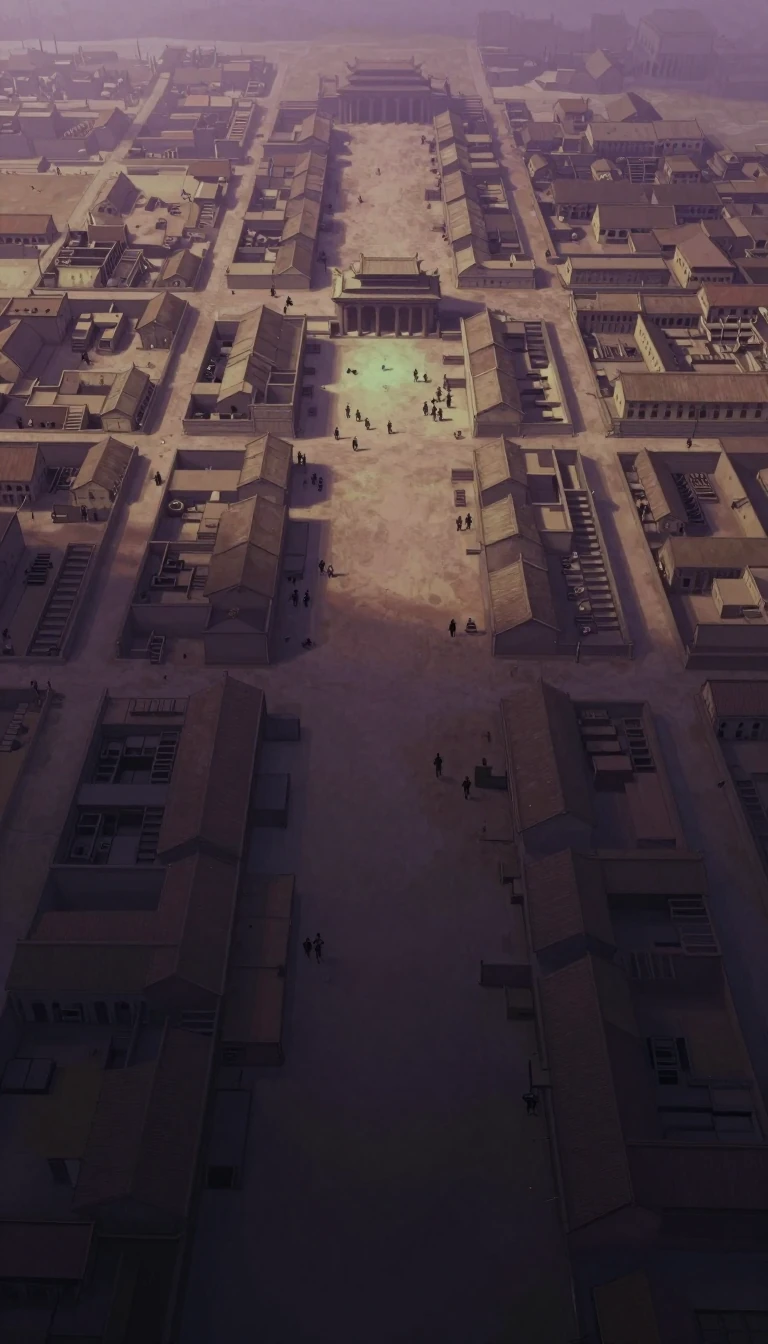
In short: The term acropolis evokes the iconic Athenian citadel, yet it describes a universal ancient blueprint. From Mayan pyramids to Iberian hilltops, these elevated fortresses served as the essential religious, political, and defensive nuclei for societies across the globe, transforming naturally strong terrain into the ultimate symbol of community power.
Derived from the Greek words for 'top' and 'city,' an acropolis was far more than a military fortification. While their precipitous sides provided natural defense, these sites functioned as the primary religious centers where royal figures resided and gods were worshipped. In Athens, this meant a complex of structures including the Parthenon, Propylaea, and Erechtheion, which served as both a treasury for the Delian League and a vibrant community hub for music and theater.
The model was remarkably adaptable. In Guatemala, the Acropolis of La Blanca served as a commercial trade center and royal residence between 600 and 850 AD, while the Tepecik Acropolis in Patara functioned as a vital harbor. These sites were often layered with history; the Athenian site, for instance, shows evidence of habitation since before 3000 BCE. Mycenaeans built a palace there around 1700 BCE, and later Athenians frequently repurposed these older materials, weaving the past into their own architectural statements.
The function of these spaces shifted alongside the empires that held them. The Athenian Acropolis transitioned from a pagan sanctuary to a Christian site by the 6th century CE, and later became a mosque under Ottoman rule between 1458 and 1460. It was only after the Greek War of Independence in 1832 that it was formally recognized as a historical site. Today, the term is used broadly by archaeologists to describe everything from Celtic settlements in Bratislava to the 'Academic Acropolis' of New York’s Morningside Heights, proving that the desire to build our most important institutions on the highest ground remains a persistent human impulse.
Opens the Intellect+ feed with this card first. Swipe up for the next one.
Sources
- Summary by Intellect · source: Acropolis
- Also: Acropolis of Athens | History, Buildings, & Facts | Britannica
- Also: Wikidata — Acropolis · CC0
- Also: whc.unesco.org — Acropolis, Athens
- Also: Wikidata — acropolis · CC0
To cite this card, link to https://intellectplus.co.uk/app/places-acropolis.
How we source, check and correct cards: Editorial standards.
General information, not professional advice. Spotted an error? Flag the card or see corrections and complaints.
Intellect Plus is a visual educational discovery platform for exploring fascinating facts and ideas. Brain Food, Not Brain Rot. What is Intellect Plus?
Related
More in Cities · More in Countries & Cities · Latest · A–Z · All topics
