The 1991 film that first took Indian cinema through time
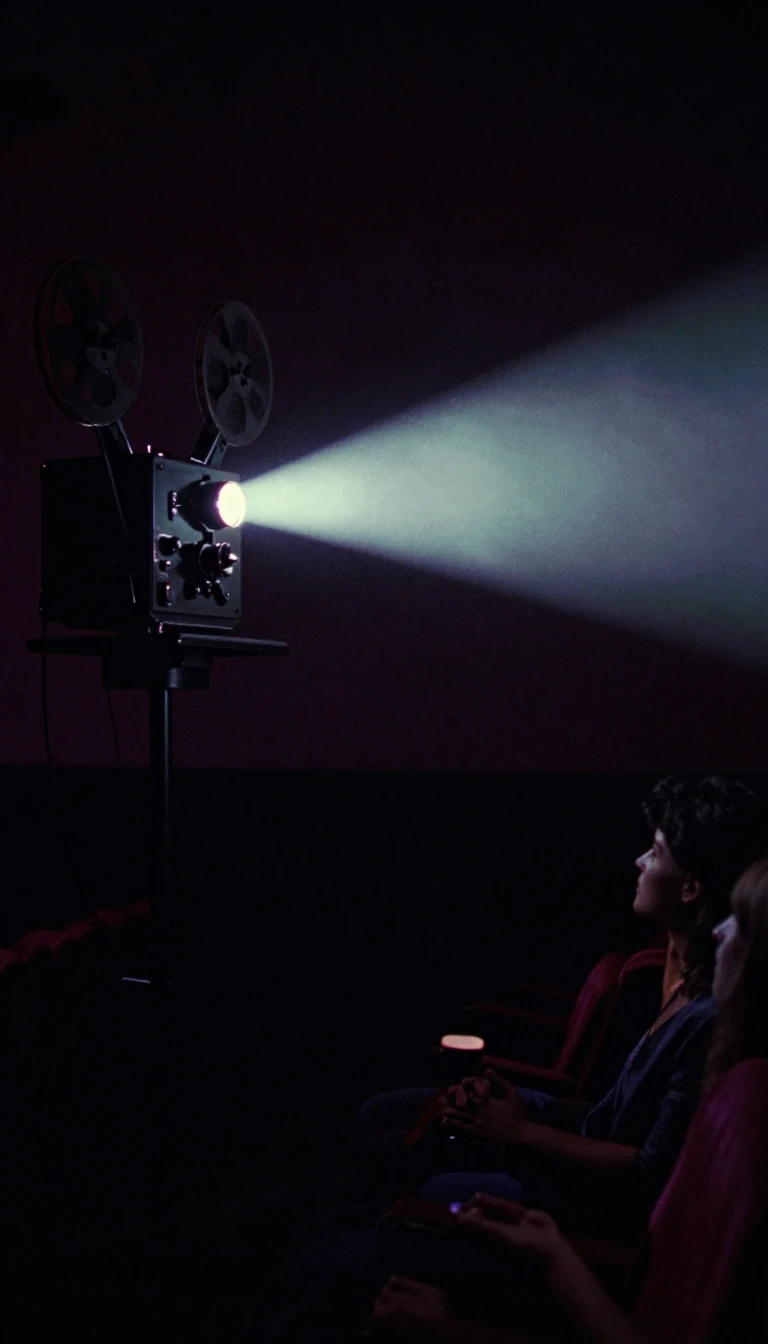
In short: Before the era of high-budget CGI, a Telugu science fiction film dared to transport audiences across centuries. Inspired by H.G. Wells, it blended 16th-century royalty with a post-apocalyptic future, navigating the complex ethics of temporal travel and the weight of historical preservation.
Released in 1991, Aditya 369 stands as a landmark in Indian cinema as the first time-travel film in the country. Directed by Singeetam Srinivasa Rao, the project was born from a personal fascination with H.G. Wells' 1895 novella, The Time Machine. To ground the futuristic elements, Rao conducted extensive research at the American Library in Madras, envisioning a world devastated by a third world war where survivors lived underground and utilized nuclear radiation for energy.
The film's narrative structure is defined by three distinct visual identities, achieved by employing three different cinematographers to capture the unique aesthetics of each era. Set in 1526 CE, the narrative moves the cast into the era of Sri Krishnadevaraya, who ruled as the Vijayanagara Emperor. To avoid historical distortion, Rao opted for a blend of lighthearted humor and literary references rather than a strictly political recreation of the court. A key plot point involves a prophecy regarding a diamond destined to be stolen twice—once in the 16th century and again 500 years later.
Production was a significant undertaking for its time, with a budget that ballooned from an estimated ₹1.30 crore to approximately ₹1.60 crore. The scale of the project required constructing massive sets at Annapurna Studios and VGP Golden Beach, as well as transporting the time machine prop on large trucks to the Talakona forest. While it faced comparisons to Back to the Future, Rao maintained that the two works were distinct, sharing similarities only in the specific troubles the protagonists encountered in different time zones.
The film's success was bolstered by a unique casting strategy. Nandamuri Balakrishna took on a dual role as both the protagonist and the historical emperor, a move necessitated by the unavailability of another lead actor. This ambitious production ultimately won two state Nandi Awards, cementing its status as a pioneering work of Indian science fiction.
Opens the Intellect+ feed with this card first. Swipe up for the next one.
Sources
- Summary by Intellect · source: Aditya 369
- Also: Wikidata — Aditya 369 · CC0
To cite this card, link to https://intellectplus.co.uk/app/places-aditya-369.
How we source, check and correct cards: Editorial standards.
General information, not professional advice. Spotted an error? Flag the card or see corrections and complaints.
Intellect Plus is a visual educational discovery platform for exploring fascinating facts and ideas. Brain Food, Not Brain Rot. What is Intellect Plus?
Related
More in Major world cities · More in Countries & Cities · Latest · A–Z · All topics
