How a legendary mountain fortress was captured without a single drop of blood spilled.
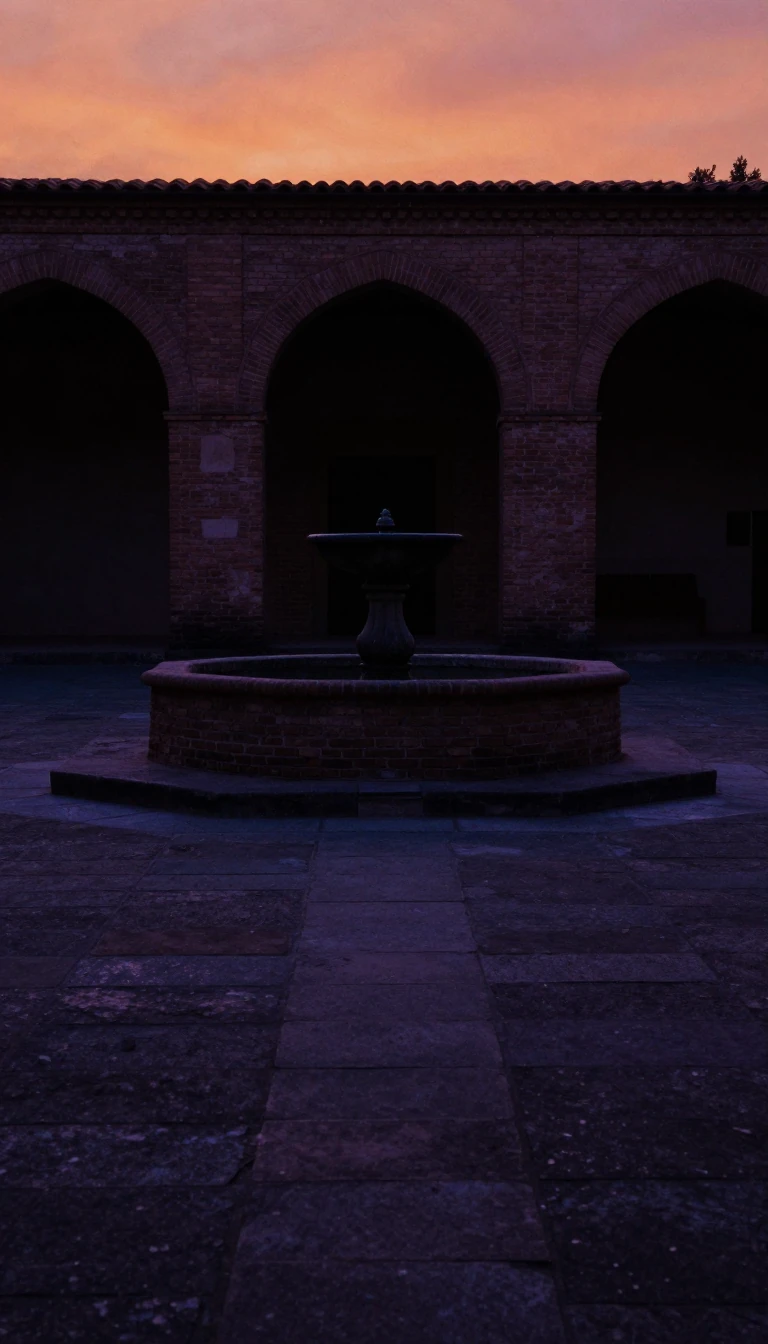
In short: Perched high in Iran's Alborz mountains, Alamut Castle was considered impregnable. Yet, in 1090, Hassan-i Sabbah seized this strategic stronghold from its lord without violence. By infiltrating the fortress with loyalists disguised as laborers, he orchestrated a bloodless coup that turned the site into the intellectual heart of the Nizari Ismaili state.
Founded around 840 AD by the Justanid ruler Wahsūdān ibn Marzubān, the fortress earned its name from a soaring eagle. Its tactical value was clear, but it was Hassan-i Sabbah who transformed it into a legendary center of power. After being forced into hiding by the Seljuq vizier Nizam al-Mulk, Hassan meticulously planned his takeover. He lived in the nearby town of Andej, disguised as a schoolteacher, while his supporters gradually infiltrated the castle's staff. When he finally revealed his identity to the lord, Mahdi, the guards—already loyal to Hassan—refused to arrest him. Mahdi was allowed to leave unharmed, compensated with 3,000 gold dinars, and the fortress changed hands without a fight.
For over 160 years, Alamut served as the headquarters for the Nizari Ismaili state. It was far more than a military outpost; it was a sanctuary for philosophers, scientists, and theologians. The fortress housed a famous library filled with rare treatises and astronomical instruments, attracting scholars from across Asia. Under leaders like Imam 'Ala al-Din Muhammad, the site became a hub of intellectual life, even as the surrounding region faced the encroaching Mongol threat. The valley was terraced and irrigated to ensure self-sufficiency, with limestone-lined storage rooms keeping provisions in perfect condition for years.
The end of the Alamut period arrived in 1256 when Imam Rukn al-Din Khurshah surrendered to the Mongols. The conqueror Hulegu Khan permitted his chronicler, Ata-Malik Juvayni, to salvage select works before the library was set aflame. Juvayni, a harsh critic of the Ismailis, provided the primary narrative of the castle's history, though his bias and destruction of records leave many details of the Ismaili faith obscured. Despite the Mongol attempt to annihilate the Nizari presence, the fortress was briefly recaptured in 1275. Today, the ruins stand as a UNESCO World Heritage site, marking a complex legacy of intellectual freedom and strategic resilience.
The castle's history is clouded by myth and polemic. While local lore once linked its foundation to the mythological king Keyumars, archaeological research has clarified its origins. Even the name 'Alamut' remains debated, with interpretations ranging from 'Eagle's Teaching' to 'Nest of Punishment.' Though the Mongol conquest is often viewed as the final chapter, the site continued to pass through the hands of various local powers, retaining regional significance long after its golden age of scholarship had faded.
Opens the Intellect+ feed with this card first. Swipe up for the next one.
Sources
- Summary by Intellect · source: Alamut Castle
- Also: Wikidata — Alamut Castle · CC0
To cite this card, link to https://intellectplus.co.uk/app/places-alamut-castle.
How we source, check and correct cards: Editorial standards.
General information, not professional advice. Spotted an error? Flag the card or see corrections and complaints.
Intellect Plus is a visual educational discovery platform for exploring fascinating facts and ideas. Brain Food, Not Brain Rot. What is Intellect Plus?
Related
More in Historical cities · More in Countries & Cities · Latest · A–Z · All topics
