Why did ancient people hide shoes in walls and paint eyes on their boats?
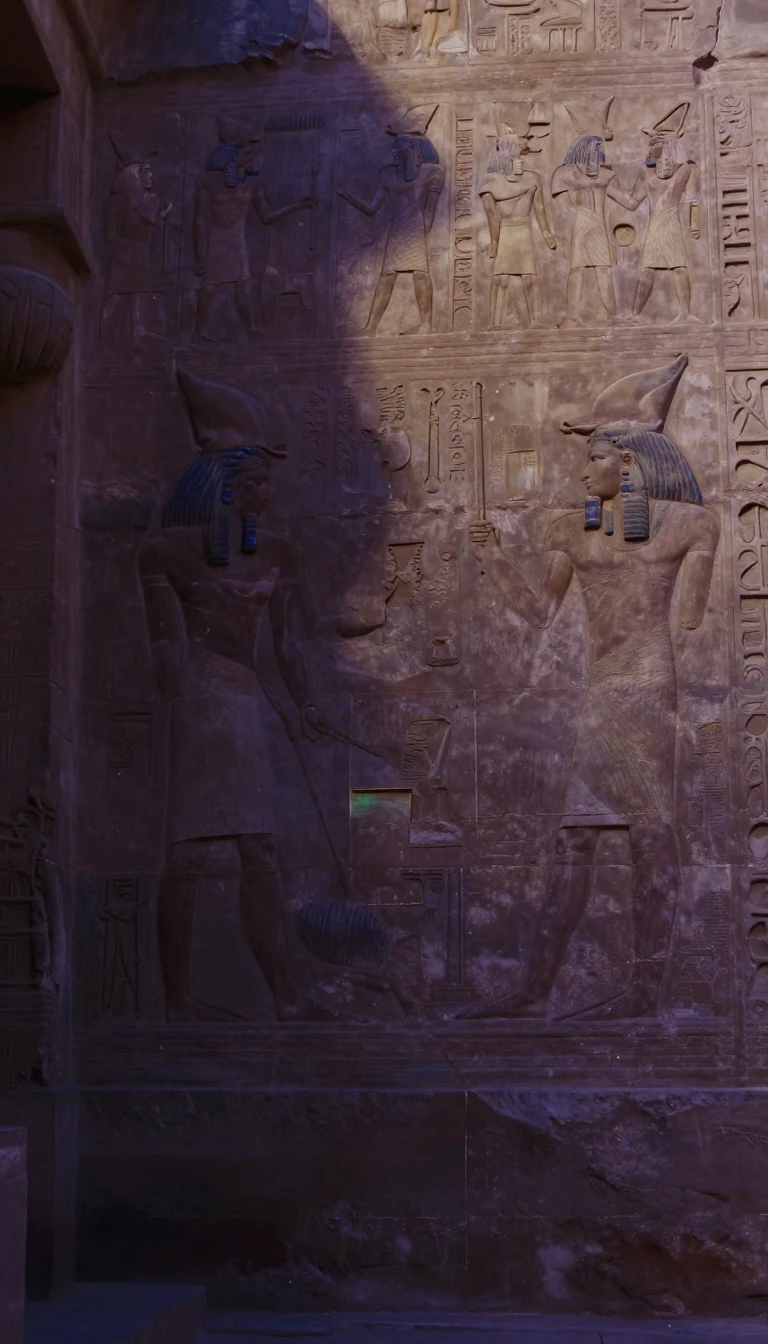
In short: Apotropaic magic is the ancient, universal practice of warding off misfortune through ritual. From painting eyes on drinking vessels to burying shoes in house walls, humans have long used physical objects to deflect evil. Discover the hidden history of these protective charms and the surprising theories behind their enduring legacy.
Apotropaic magic, derived from the Greek word for 'to ward off,' encompasses rituals and objects designed to repel malevolent forces. Throughout history, cultures have identified vulnerable points—doorways, windows, and chimneys—as entryways for evil. To secure these spaces, people employed diverse tactics: Greeks carved grotesque faces over kilns to prevent fire, while early modern Europeans buried witch bottles, horse skulls, and dried cats within their walls. In Britain, scratched symbols like hexafoils or taper burn marks on door frames were long interpreted as 'witch marks' intended to deter supernatural intrusion.
The practice often relied on distraction or intimidation. Ancient Egyptians used ivory birth tusks and cowroid amulets to protect mothers, while Greeks painted exaggerated eyes on drinking cups to stop spirits from entering the mouth. Shiny objects, such as mirrors or silver-decorated costumes, were believed to deflect the evil eye. Even today, the tradition persists in various forms, from the nazar boncuğu symbol on aircraft to the Irish custom of weaving Brigid's crosses from rushes to guard against illness and lightning.
However, the interpretation of these artifacts is not settled. While many historians view these markings as protective, Jennifer Alexander of the University of Warwick argued in 2026 that many 'witch marks' in English buildings were simply geometric practice patterns for apprentices learning to use compasses. This highlights a broader tension in archaeology: distinguishing between intentional magical defense and the mundane remnants of forgotten craftsmanship. Whether these items were truly meant to ward off demons or simply served as architectural exercises, they reveal a profound human desire to exert control over an uncertain world.
Opens the Intellect+ feed with this card first. Swipe up for the next one.
Sources
- Summary by Intellect · source: Apotropaic magic
- Also: apotropaic magic
- Also: Wikidata — Apotropaic Magic in the Ritual Superstitions of the Russian, Mari, and English Languages · CC0
To cite this card, link to https://intellectplus.co.uk/app/places-apotropaic-magic.
How we source, check and correct cards: Editorial standards.
General information, not professional advice. Spotted an error? Flag the card or see corrections and complaints.
Intellect Plus is a visual educational discovery platform for exploring fascinating facts and ideas. Brain Food, Not Brain Rot. What is Intellect Plus?
Related
More in Historical cities · More in Countries & Cities · Latest · A–Z · All topics
